


-
Fall electric trike care: five maintenance checks
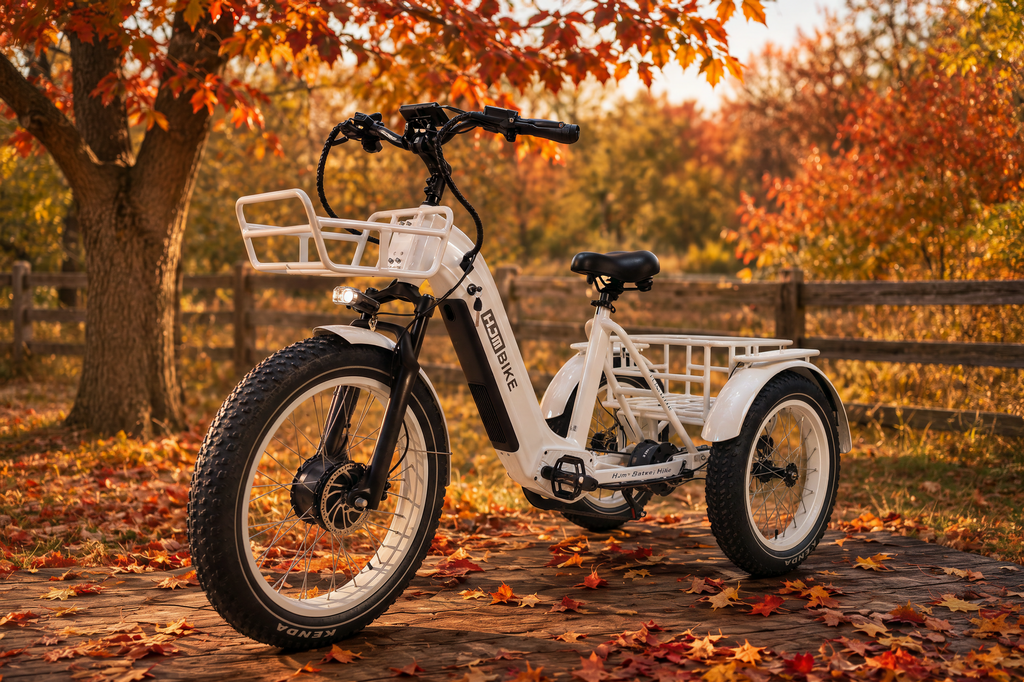 Cooler weather, damp leaves, and shorter days make routine electric trike maintenance especially useful in fall. Check your exact model’s manual before adjusting components or performing service.
-
Front vs. Rear vs. Dual-Motor Electric Trikes: Which Drive System Fits Your Ride?
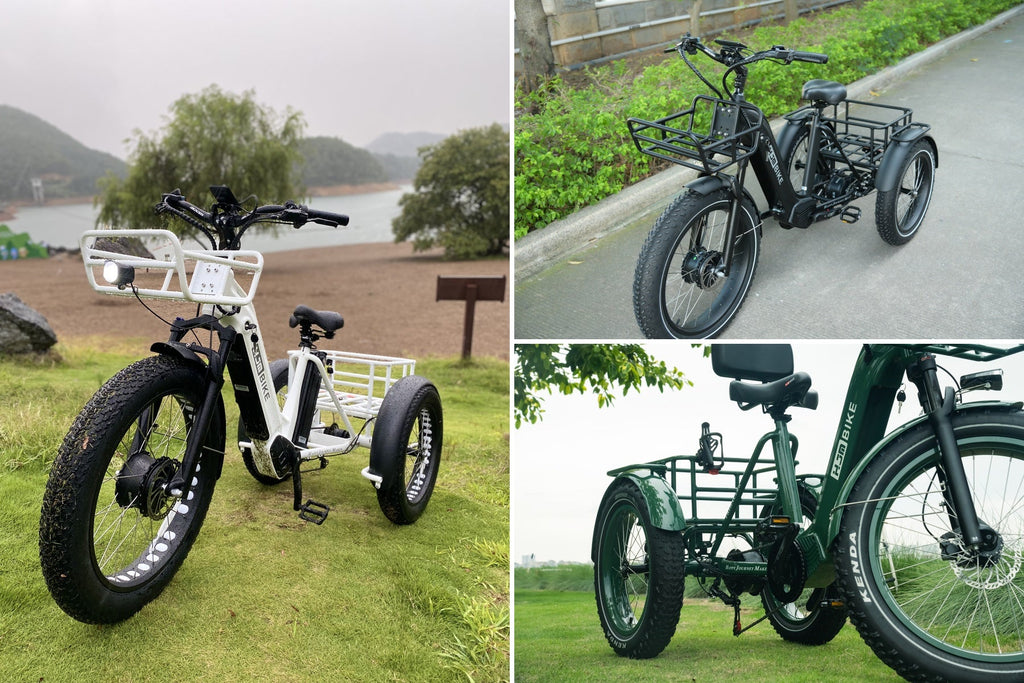 Where an electric trike delivers its power can change how it feels when starting, carrying cargo and climbing. The best choice begins with your route, your load and the controls you prefer.The TriHauler range offers front-hub, rear-drive and dual-motor configurations. These describe the motor arrangement; they do not guarantee grip or stability on every surface. Front-hub drive: TriHauler T3The T3 uses a 750W front-hub...
-
TriHauler T5 Dual-Motor Electric Trike: Power, Reverse and Cruise Control
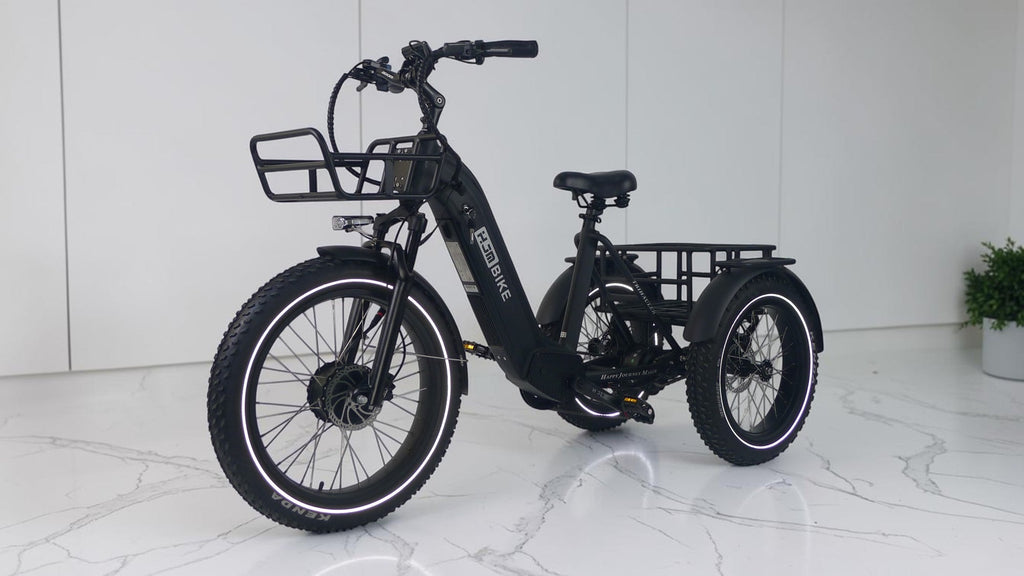 Some riders want more than help with pedaling. They want assistance for loaded starts, a way to back out of a parking space and an easier rhythm on an open route. The TriHauler T5 brings dual motors, reverse and cruise control together in one utility electric trike.Front and rear assistanceThe T5 uses two 750W motors to deliver assistance at the front and rear. This...
-
Electric Trike vs. Electric Bike: Which Fits Your Everyday Rides?
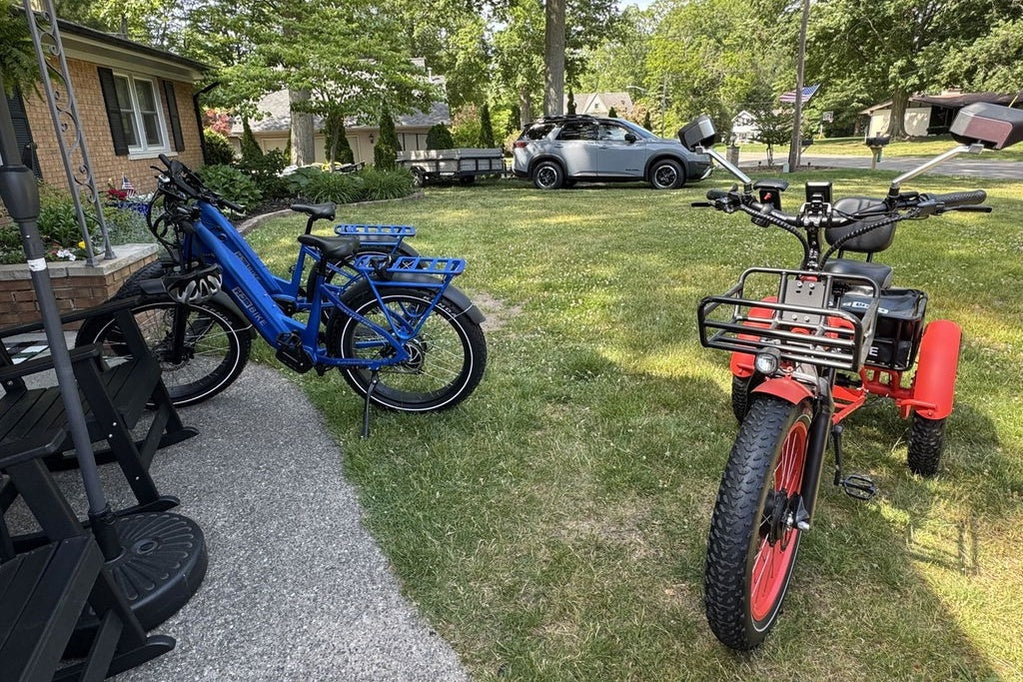 Choose an electric trike when three-wheel support at stops and useful carrying space fit your routine. Choose an electric bike when a narrower footprint and familiar two-wheel handling matter more. Neither layout is automatically right for every rider: fit, storage and the route you actually ride should guide the choice. What changes when you add a third wheel? Both types combine pedals, a battery...
-
Electric Tricycle Buying Guide: How to Choose an Adult eTrike
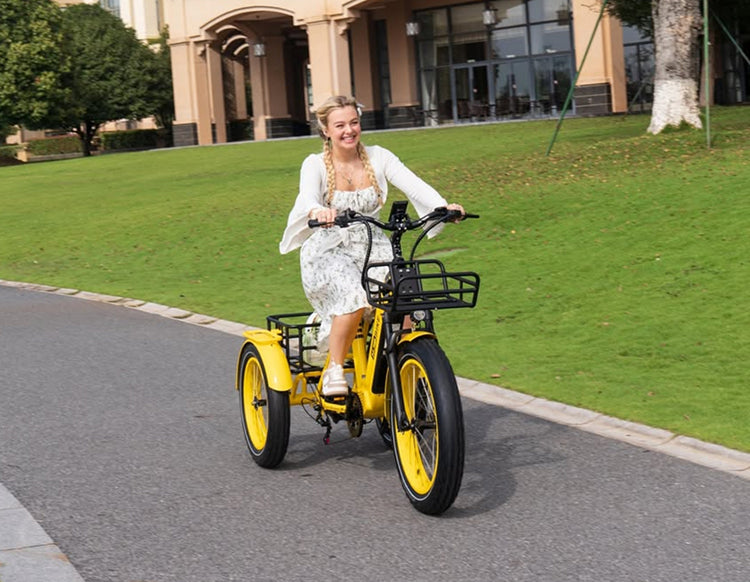 The best electric tricycle for an adult is the one that fits the rider, route, carrying needs and available space. Start with comfortable control and practical access, then compare motor layout, battery energy and payload. A larger motor or battery can be useful, but neither makes a trike the right choice on its own. What is an electric tricycle? An electric tricycle, also called...
-
Electric Bike vs. Gas Motorcycle: Choosing for Your Daily Commute
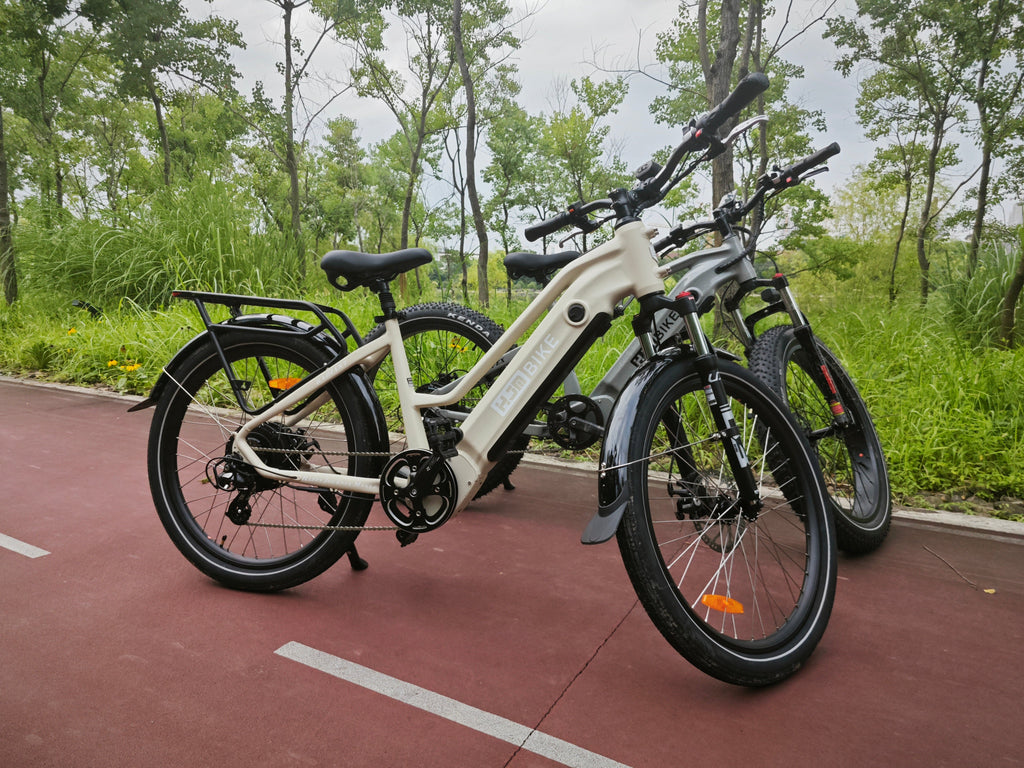 An electric bike can be a practical choice for a commute built around shorter local trips, suitable roads and secure charging. A gas motorcycle may fit a journey that requires sustained higher speeds or highway travel. Start with the route you actually need to cover, then compare storage, running costs and the riding experience you want. Which one fits your route? Map the whole...
-
1000W Rear-Drive TriHauler: Everyday Utility with Extra Power
 A grocery run, a trip around the neighborhood or an outing with extra gear can call for a practical combination of assistance and carrying space. The 1000W Rear-Drive TriHauler, model T4, brings that combination to a fat-tire electric trike.1000W rear drive with torque-sensing assistThe rear-drive motor delivers assistance from the back of the trike. Torque sensing responds to your pedaling effort, while the thumb...
-
Non-Folding Electric Trikes: How to Plan Storage and Transport
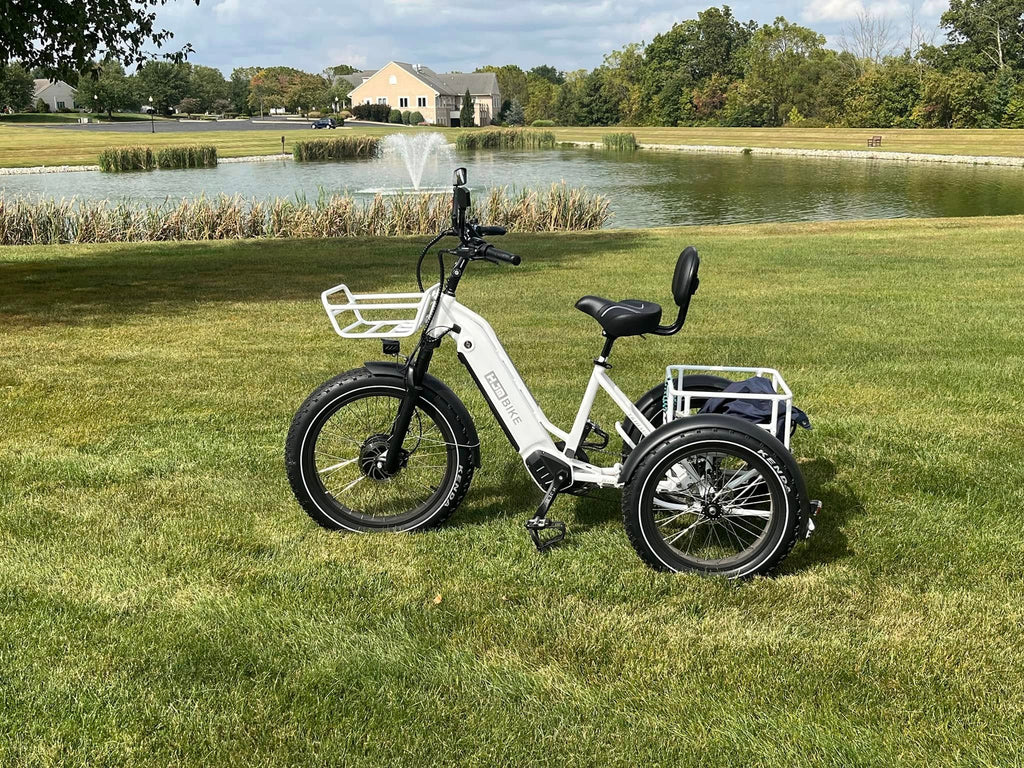 Before buying a non-folding electric trike, measure its entire route into storage, not just the parking space. Check the usable doorway opening, narrow turns, thresholds and the trike’s widest point. If you plan to transport it, assess the vehicle opening, loading method and equipment limits separately. TriHauler electric trikes do not fold. Plan around the dimensions and weight of your exact model and fitted...
-
HJM Apex Full Suspension eBike: A Guide to Rougher Routes
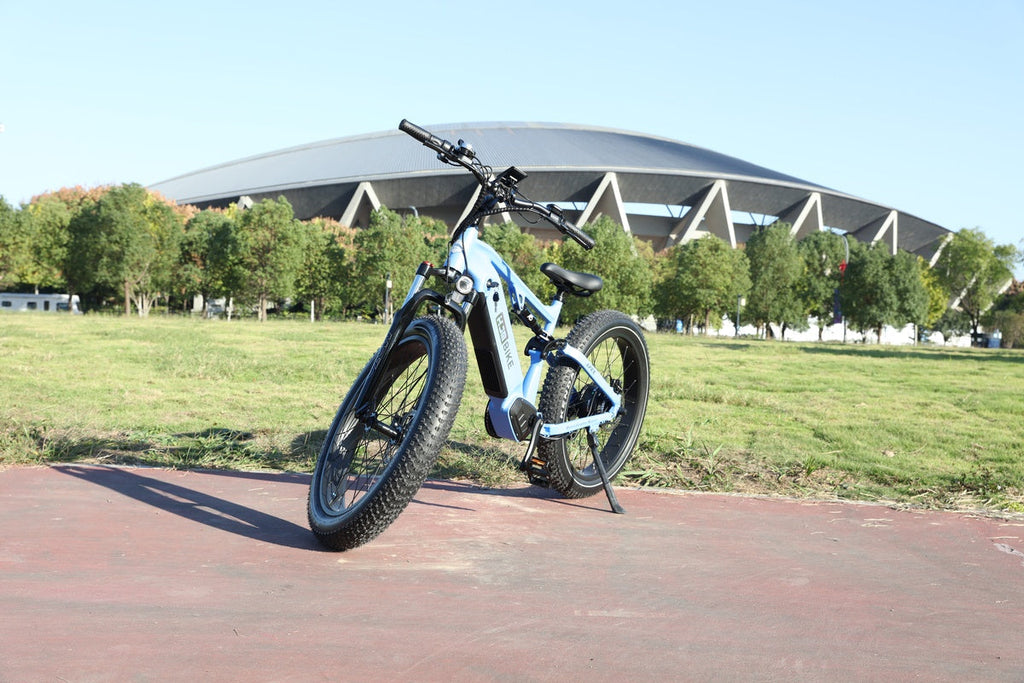 The HJM Apex is a full suspension fat tire eBike for riders who want motor assistance and cushioning on routes that mix pavement, gravel and recreational off-road riding. Its main features are a 1000W Bafang geared hub motor, torque-sensing pedal assist, front and rear suspension, and 26 x 4-inch tires.What does full suspension add?Apex combines a front suspension fork with a rear shock. Both...
-
Electric Trikes for Hunting Trips: Route and Gear Planning
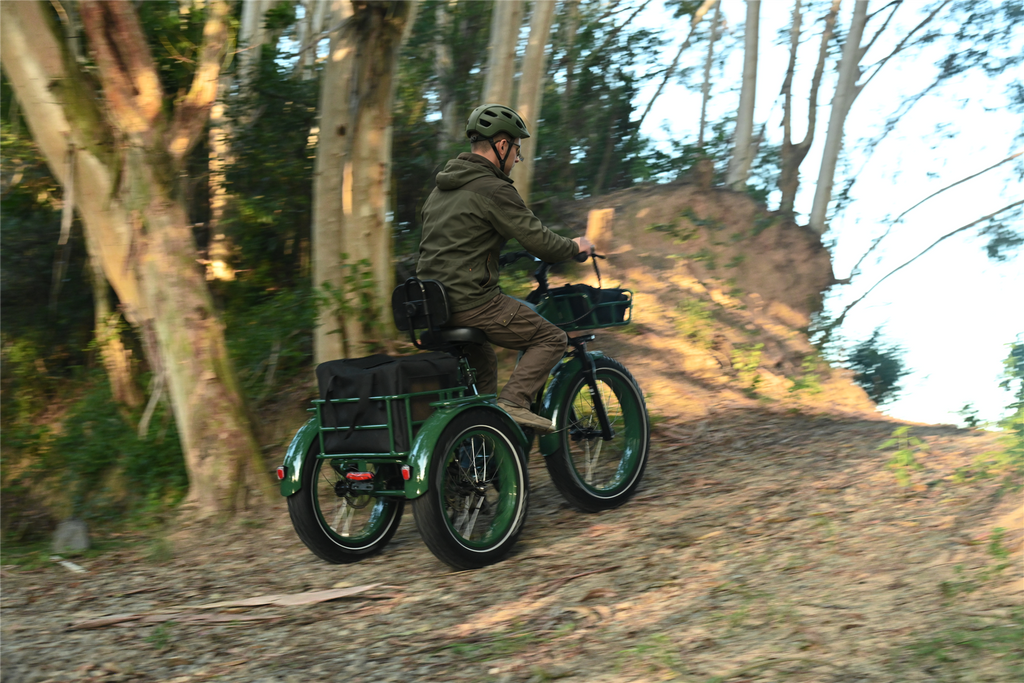 An electric trike may suit part of an outdoor trip. Start with permitted routes, usable trail width, secure cargo and a realistic plan for getting home.
-
Electric Trike Brake Care: Checks Before Every Ride
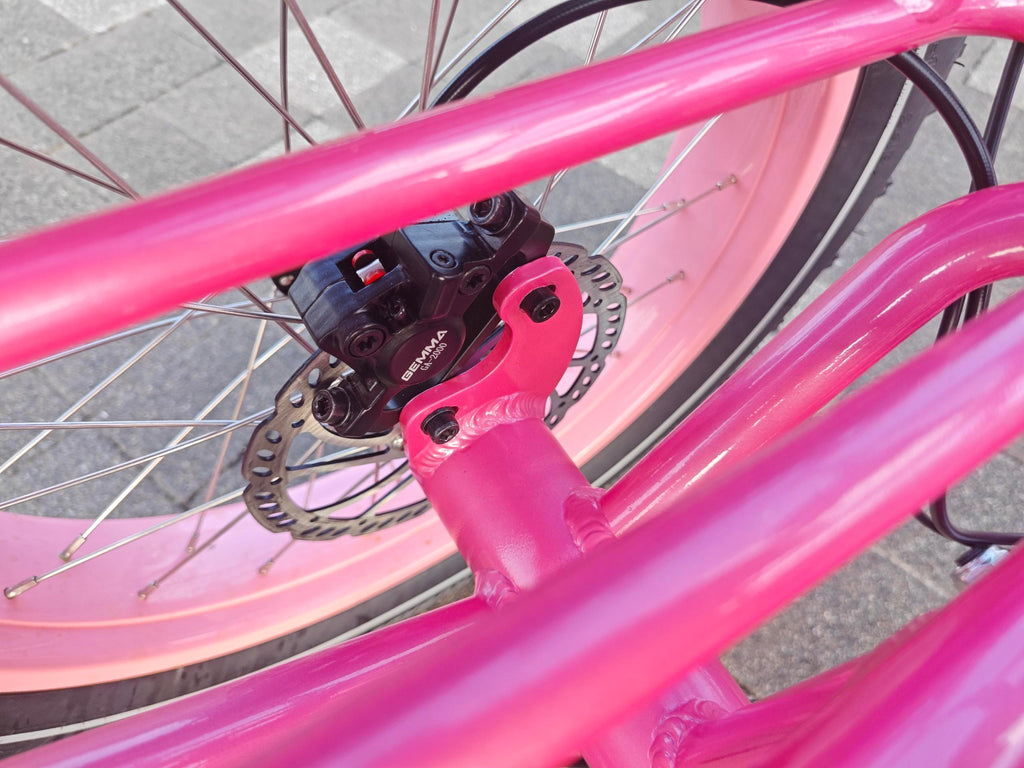 A short brake check belongs in every ride routine. Know what normal feels like on your TriHauler and which changes mean it is time for service.
-
Electric Trike Tires for Pavement, Gravel and Mixed Routes
 Your everyday route matters more than an all-terrain label. Consider the surface, tread and correct tire fit before changing your electric trike tires.
-
Electric Trike Battery Safety: Charging, Warning Signs and UL Certification
 Electric trike battery safety starts with the right equipment, a suitable charging location and attention to changes in the battery. Certification is important, but it does not make damaged equipment safe or replace correct use. Use the intended charging equipmentUse the charger supplied with your TriHauler electric trike or a replacement specifically approved by HJM for that battery. Remain present and awake during charging,...
-
Your First TriHauler Ride: Setup, Controls and a Pre-Ride Checklist
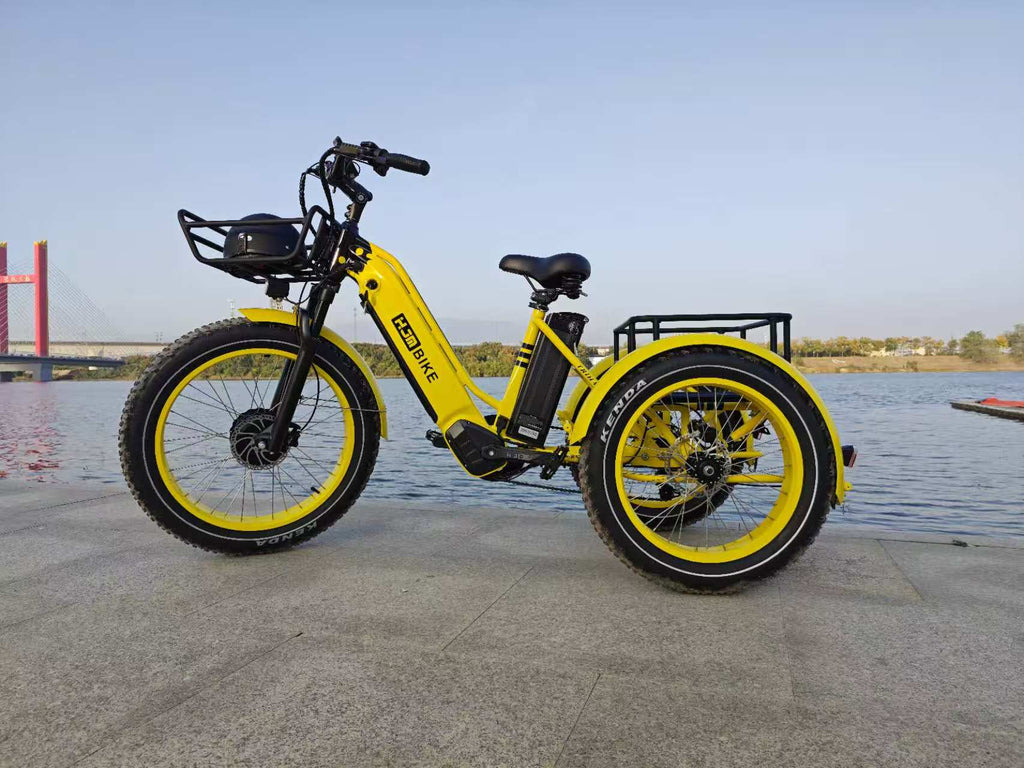 Your first TriHauler electric trike ride should be short, familiar and easy to stop. Check the setup, adjust your riding position and learn the controls in a clear, level area before joining traffic. Use the instructions for your exact model because displays, brakes and available functions can differ. Check the setup before switching on Follow the delivery and assembly instructions supplied with your trike....
-
Choosing an Electric Trike for Errands, Leisure and Longer Rides
 Start with your usual trip, not the biggest specification. Match your TriHauler to the cargo, route, storage and riding experience you need.
-
Winter Electric Trike Care: Battery, Cleaning and Storage
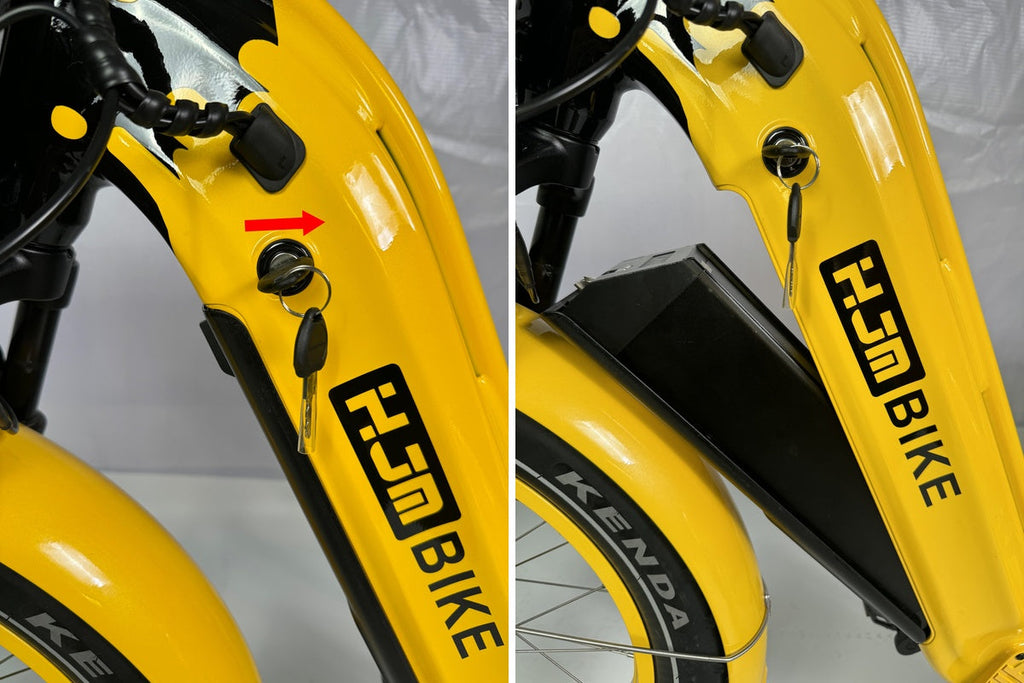 Looking after an electric trike in winter starts before the next ride. Colder temperatures can affect battery performance, while moisture, road salt and long periods of storage create different care needs. Whether you ride regularly or put your TriHauler away for the season, use the instructions supplied with your particular trike and battery. Check the battery instructions first Charging, riding and storage can have...
-
How to Clean an Electric Trike: A Step-by-Step TriHauler Guide
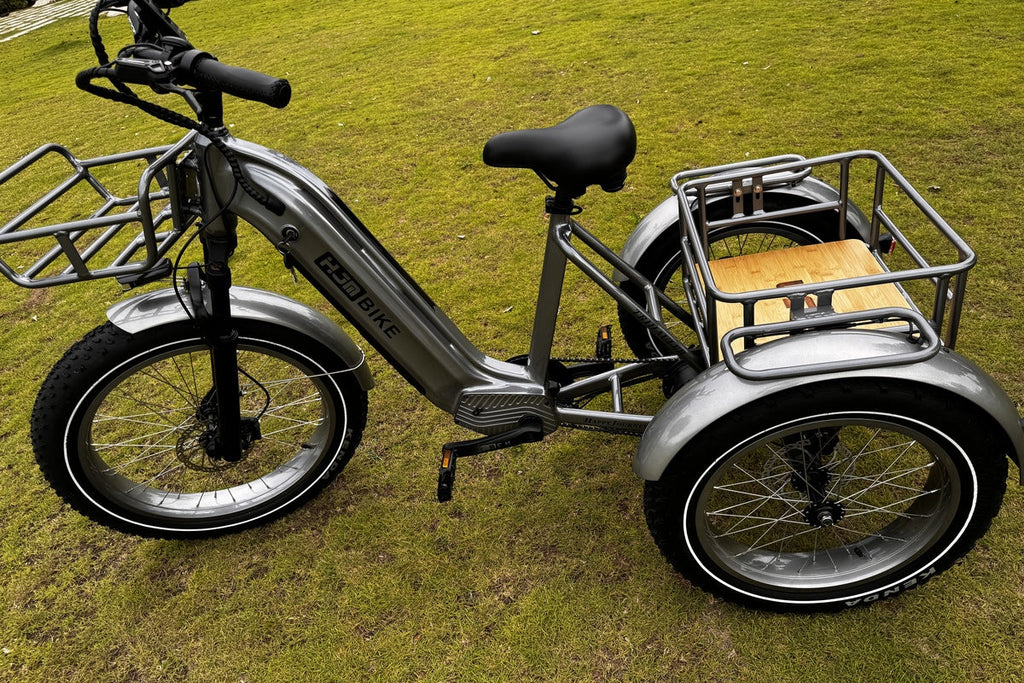 A careful wipe-down helps you remove dirt and spot problems. Follow this TriHauler cleaning guide without spraying electrical parts or bearings.
-
Electric Trike Tire Care: Pressure Checks, Uneven Wear and Replacement
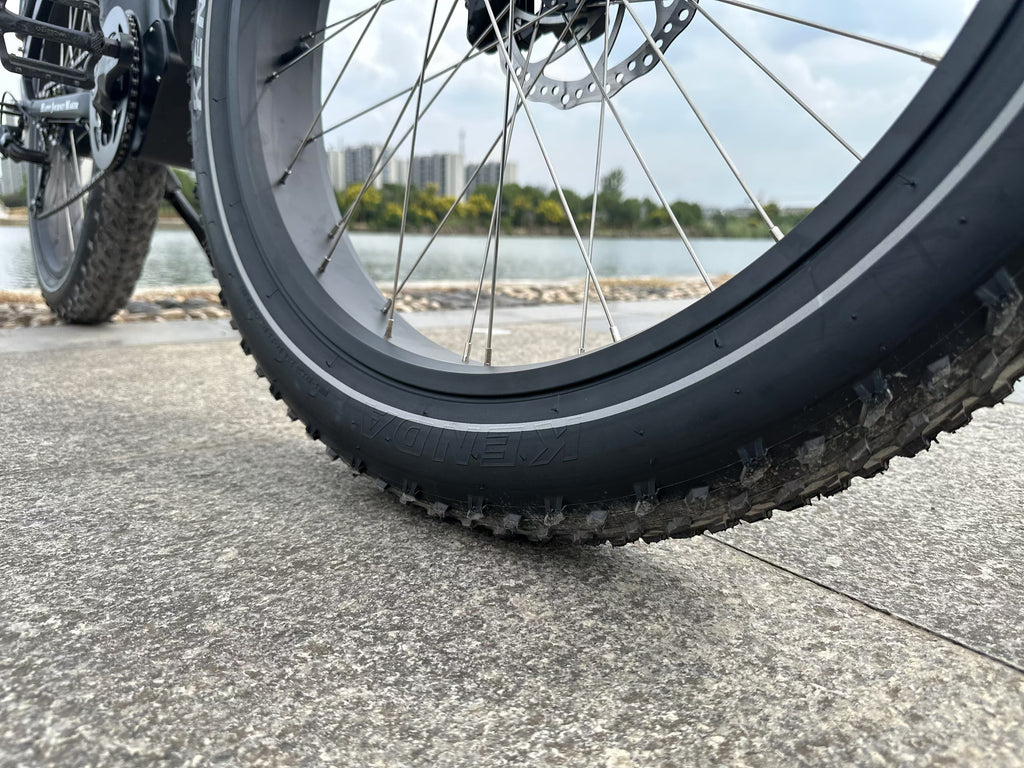 Check all three tires, not just the front. Pressure, condition and the correct replacement size matter more than a universal mileage rule.
Fall electric trike care: five maintenance checks
Cooler weather, damp leaves, and shorter days make routine electric trike maintenance especially useful in fall. Check your exact model’s manual before adjusting components or performing service.
Front vs. Rear vs. Dual-Motor Electric Trikes: Which Drive System Fits Your Ride?
Where an electric trike delivers its power can change how it feels when starting, carrying cargo and climbing. The best choice begins with your route, your load and the controls you prefer.The TriHauler range offers front-hub, rear-drive and dual-motor configurations. These describe the motor arrangement; they do not guarantee grip or stability on every surface. Front-hub drive: TriHauler T3The T3 uses a 750W front-hub...
TriHauler T5 Dual-Motor Electric Trike: Power, Reverse and Cruise Control
Some riders want more than help with pedaling. They want assistance for loaded starts, a way to back out of a parking space and an easier rhythm on an open route. The TriHauler T5 brings dual motors, reverse and cruise control together in one utility electric trike.Front and rear assistanceThe T5 uses two 750W motors to deliver assistance at the front and rear. This...
Electric Trike vs. Electric Bike: Which Fits Your Everyday Rides?
Choose an electric trike when three-wheel support at stops and useful carrying space fit your routine. Choose an electric bike when a narrower footprint and familiar two-wheel handling matter more. Neither layout is automatically right for every rider: fit, storage and the route you actually ride should guide the choice. What changes when you add a third wheel? Both types combine pedals, a battery...
Electric Tricycle Buying Guide: How to Choose an Adult eTrike
The best electric tricycle for an adult is the one that fits the rider, route, carrying needs and available space. Start with comfortable control and practical access, then compare motor layout, battery energy and payload. A larger motor or battery can be useful, but neither makes a trike the right choice on its own. What is an electric tricycle? An electric tricycle, also called...
Electric Bike vs. Gas Motorcycle: Choosing for Your Daily Commute
An electric bike can be a practical choice for a commute built around shorter local trips, suitable roads and secure charging. A gas motorcycle may fit a journey that requires sustained higher speeds or highway travel. Start with the route you actually need to cover, then compare storage, running costs and the riding experience you want. Which one fits your route? Map the whole...
1000W Rear-Drive TriHauler: Everyday Utility with Extra Power

A grocery run, a trip around the neighborhood or an outing with extra gear can call for a practical combination of assistance and carrying space. The 1000W Rear-Drive TriHauler, model T4, brings that combination to a fat-tire electric trike.1000W rear drive with torque-sensing assistThe rear-drive motor delivers assistance from the back of the trike. Torque sensing responds to your pedaling effort, while the thumb...
Non-Folding Electric Trikes: How to Plan Storage and Transport
Before buying a non-folding electric trike, measure its entire route into storage, not just the parking space. Check the usable doorway opening, narrow turns, thresholds and the trike’s widest point. If you plan to transport it, assess the vehicle opening, loading method and equipment limits separately. TriHauler electric trikes do not fold. Plan around the dimensions and weight of your exact model and fitted...
HJM Apex Full Suspension eBike: A Guide to Rougher Routes
The HJM Apex is a full suspension fat tire eBike for riders who want motor assistance and cushioning on routes that mix pavement, gravel and recreational off-road riding. Its main features are a 1000W Bafang geared hub motor, torque-sensing pedal assist, front and rear suspension, and 26 x 4-inch tires.What does full suspension add?Apex combines a front suspension fork with a rear shock. Both...
Electric Trikes for Hunting Trips: Route and Gear Planning
An electric trike may suit part of an outdoor trip. Start with permitted routes, usable trail width, secure cargo and a realistic plan for getting home.
Electric Trike Brake Care: Checks Before Every Ride
A short brake check belongs in every ride routine. Know what normal feels like on your TriHauler and which changes mean it is time for service.
Electric Trike Tires for Pavement, Gravel and Mixed Routes

Your everyday route matters more than an all-terrain label. Consider the surface, tread and correct tire fit before changing your electric trike tires.
Electric Trike Battery Safety: Charging, Warning Signs and UL Certification

Electric trike battery safety starts with the right equipment, a suitable charging location and attention to changes in the battery. Certification is important, but it does not make damaged equipment safe or replace correct use. Use the intended charging equipmentUse the charger supplied with your TriHauler electric trike or a replacement specifically approved by HJM for that battery. Remain present and awake during charging,...
Your First TriHauler Ride: Setup, Controls and a Pre-Ride Checklist
Your first TriHauler electric trike ride should be short, familiar and easy to stop. Check the setup, adjust your riding position and learn the controls in a clear, level area before joining traffic. Use the instructions for your exact model because displays, brakes and available functions can differ. Check the setup before switching on Follow the delivery and assembly instructions supplied with your trike....
Choosing an Electric Trike for Errands, Leisure and Longer Rides

Start with your usual trip, not the biggest specification. Match your TriHauler to the cargo, route, storage and riding experience you need.
Winter Electric Trike Care: Battery, Cleaning and Storage
Looking after an electric trike in winter starts before the next ride. Colder temperatures can affect battery performance, while moisture, road salt and long periods of storage create different care needs. Whether you ride regularly or put your TriHauler away for the season, use the instructions supplied with your particular trike and battery. Check the battery instructions first Charging, riding and storage can have...
How to Clean an Electric Trike: A Step-by-Step TriHauler Guide
A careful wipe-down helps you remove dirt and spot problems. Follow this TriHauler cleaning guide without spraying electrical parts or bearings.
Electric Trike Tire Care: Pressure Checks, Uneven Wear and Replacement
Check all three tires, not just the front. Pressure, condition and the correct replacement size matter more than a universal mileage rule.
HJM eBike Battery Care: Charging, Storage and Everyday Checks
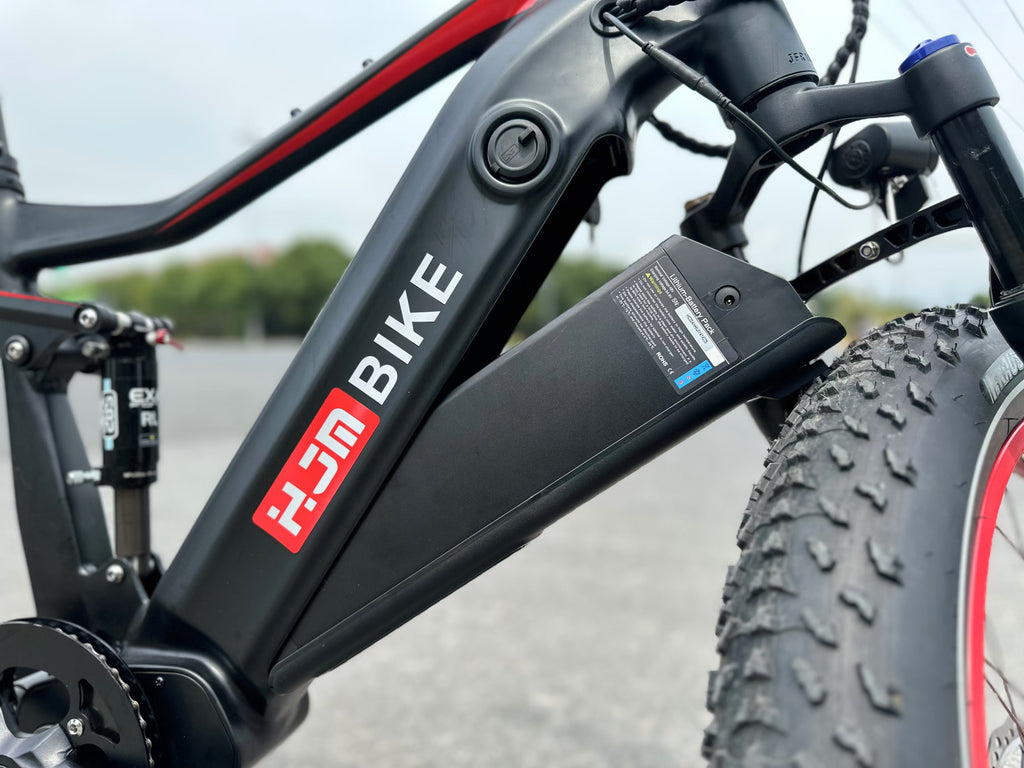
A useful battery-care routine should match the battery you own. Start with its model, supplied charger and current instructions rather than a charging rule copied from another eBike. Identify your batteryRecord the model and label details. Voltage, capacity, connector design and charging requirements all matter when ordering a replacement. More capacity does not make a battery compatible with every HJM model. Charge according to...
TriHauler vs. Emojo Bison Pro vs. Pedego Trike: What to Compare
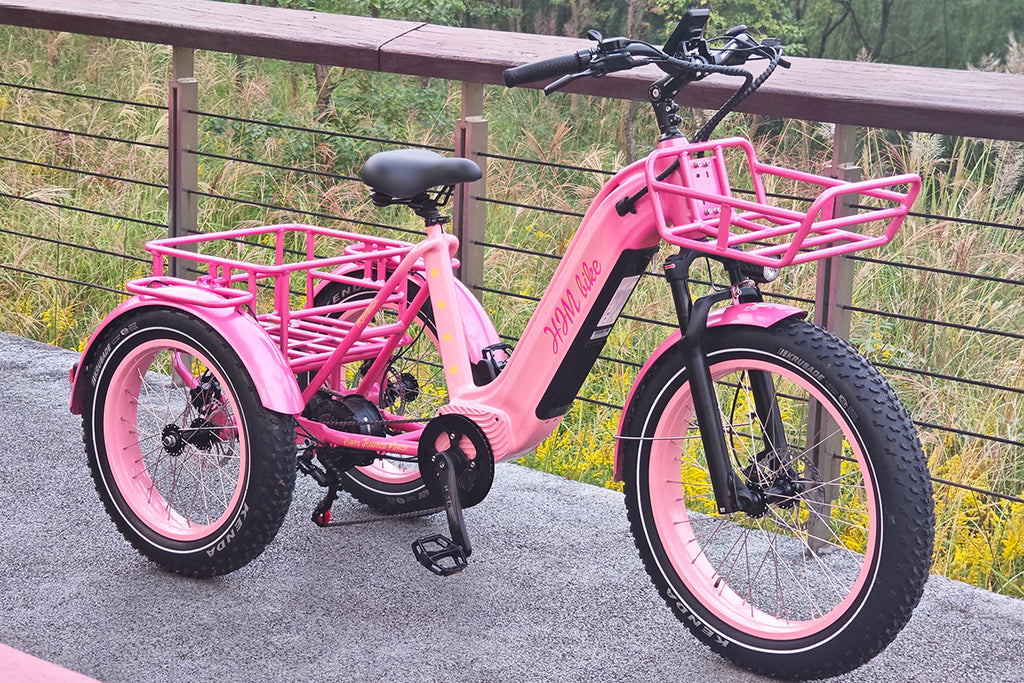
Choosing between a TriHauler, an Emojo Bison Pro and a Pedego Trike starts with the way you will use it. Compare comfortable fit, the exact motor and battery configuration, carrying limits and service access before deciding. A bigger specification number does not automatically make a trike the better match. Start with the exact model and configuration The TriHauler previously called Pro is now the...
Choosing an Electric Trike with Limited Mobility: Fit and Control Checks
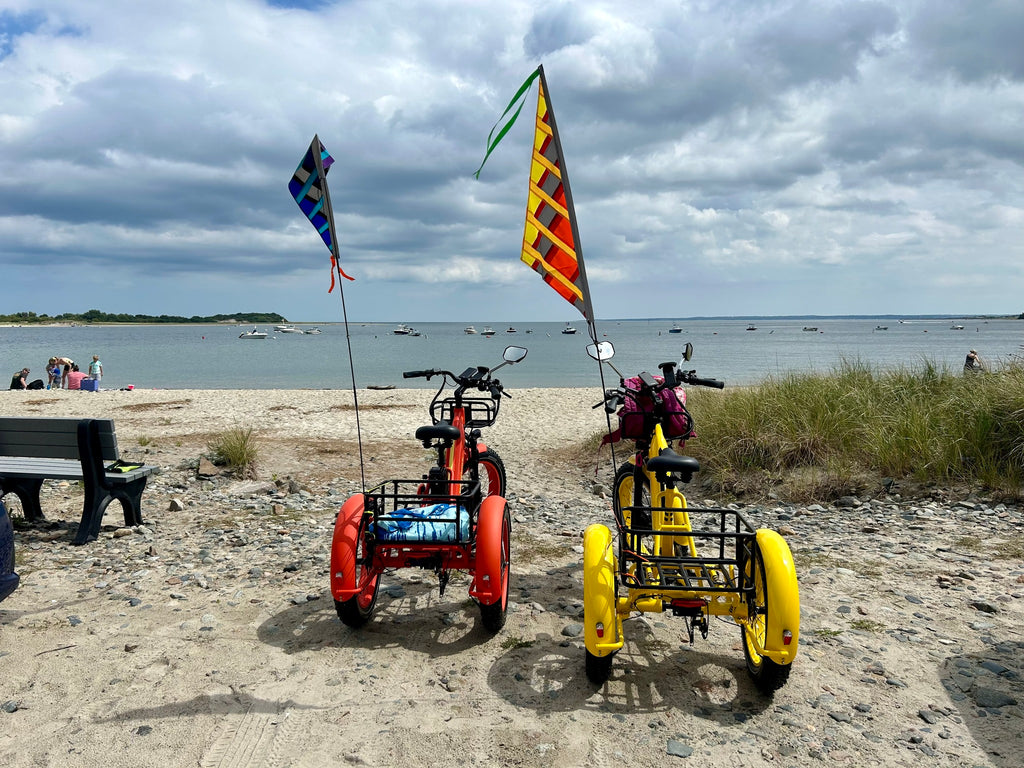
If limited mobility affects how you mount, steer or use the brakes, evaluate those tasks before choosing an electric trike. A step-through frame and electric assistance may make some tasks easier, but they do not establish that a model is suitable for every rider or every mobility need. Can you mount and dismount with control? With the trike secured on level ground according to...
HJM Toury vs. Aventon Aventure.2: a fat-tire eBike comparison checklist
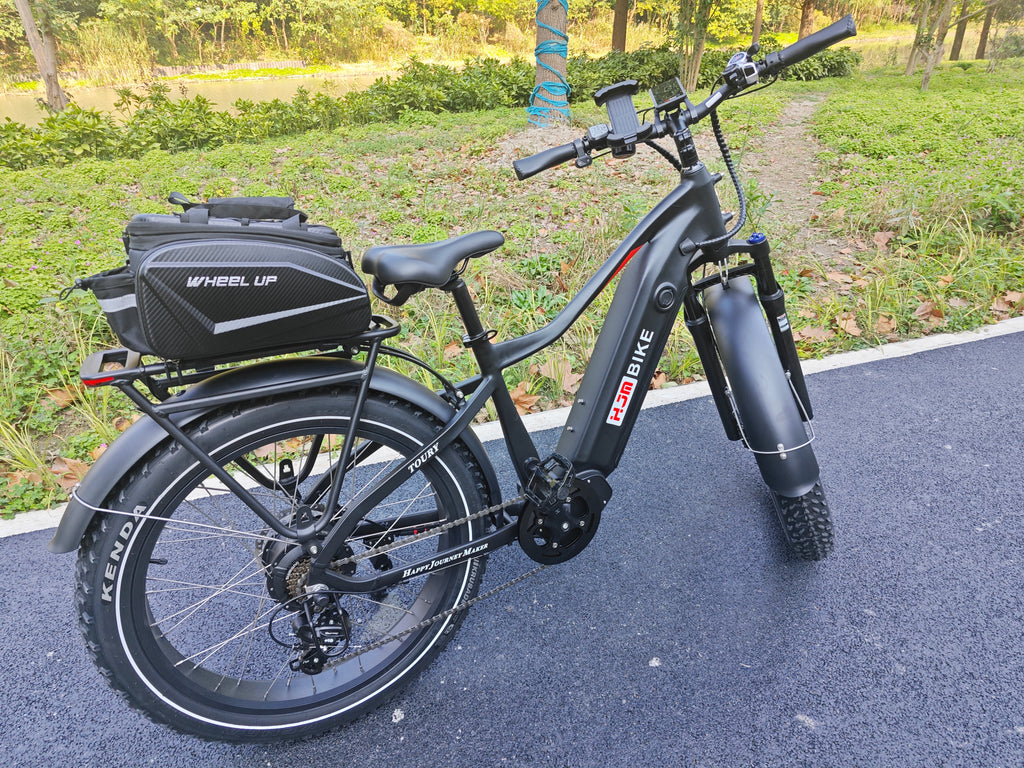
Comparing the HJM Toury and Aventon Aventure.2 starts with the exact model version, rider fit, and intended route. Use current manufacturer listings rather than treating an older price or range claim as a promise.
High-Step vs. Step-Through eBikes: How to Choose the Right Frame
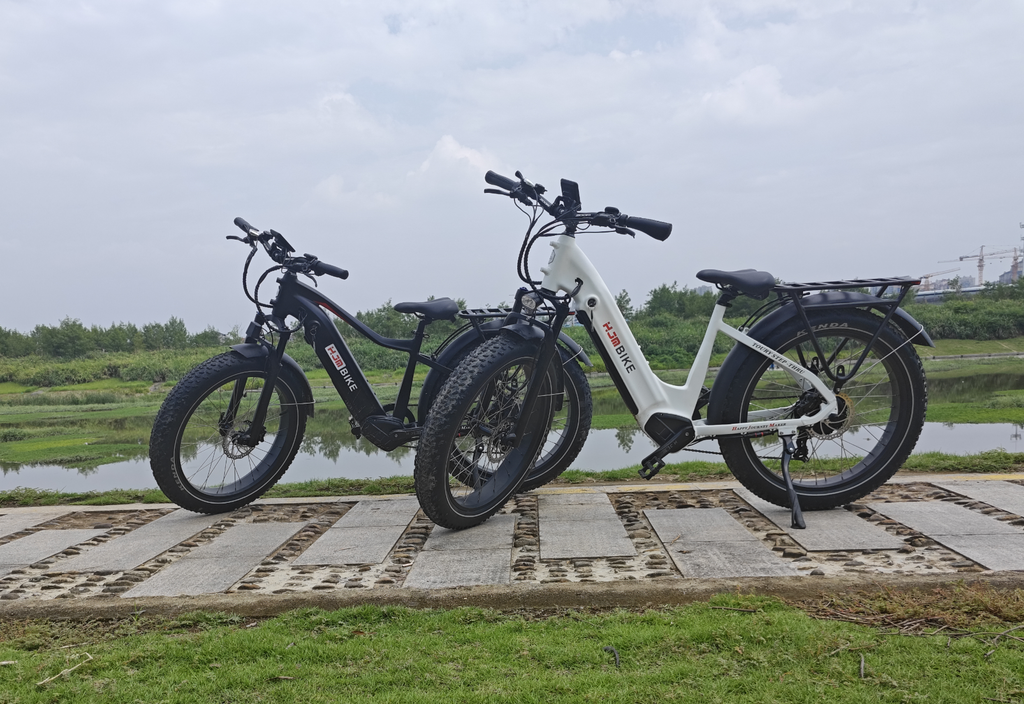
Choose between a high-step and a step-through eBike by checking how comfortably you can get on and off, whether the bike fits and how you plan to use it. A lower frame opening can make access easier, but frame style alone does not determine motor power, riding position or suitability for rough roads. What is the main difference?A high-step frame has a higher upper...
How to Make Your eBike More Comfortable: Check Fit Before Upgrades
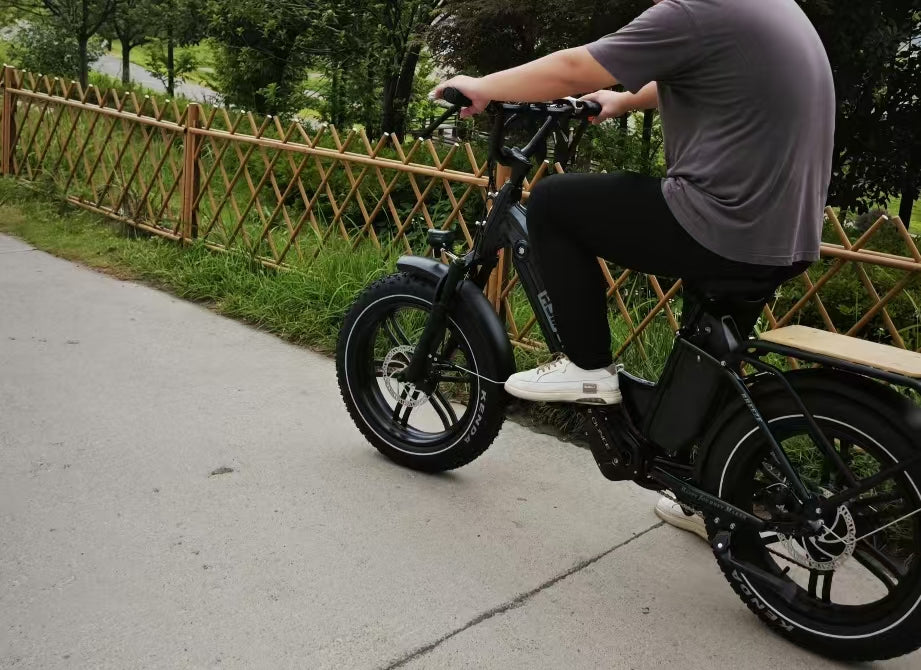
To make your eBike more comfortable, start with fit, tire pressure and how you carry your belongings. Check these before buying accessories. A softer saddle or higher handlebar will not solve every source of discomfort. Notice where and when discomfort startsBefore changing the bike, note whether the problem is saddle pressure, hand pressure, a stretched riding position or bumps from the road. Record whether...
Dual-Battery Electric Trikes: Is a Second Battery Right for You?
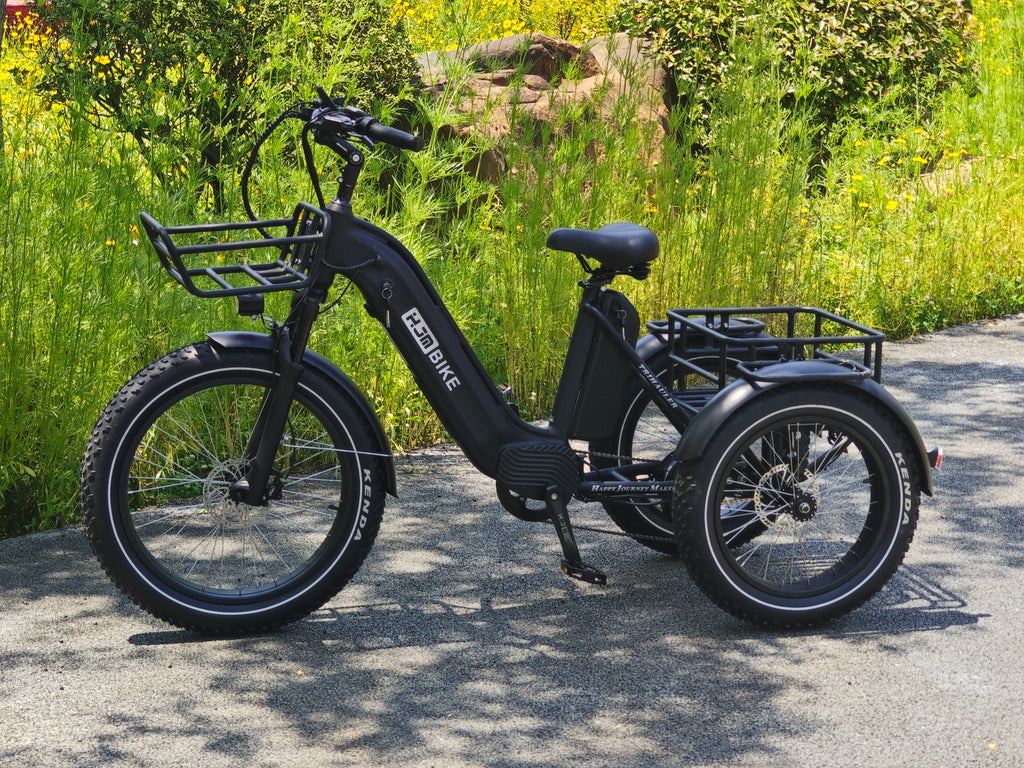
A second battery adds energy capacity, along with weight and charging considerations. Compare the options for your TriHauler configuration.
Fall Electric Trike Riding: Leaves, Cooler Days and Earlier Sunsets
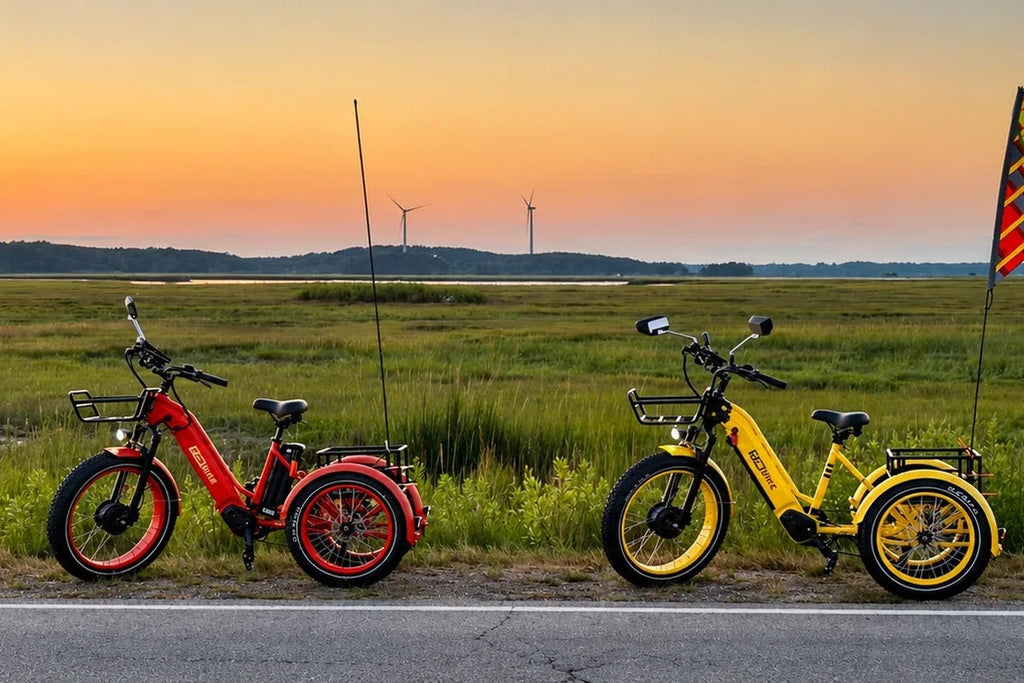
Fall electric trike riding is most enjoyable when the route, surface conditions and daylight suit the outing. Cooler air and autumn scenery can make a familiar trip feel new, but wet leaves, hidden pavement damage and earlier sunsets call for a little extra planning. Choose a route you can read Start with a familiar loop after a change in weather. Leaves can hide potholes,...
Is a Full-Suspension eBike Worth It? Benefits and Trade-Offs
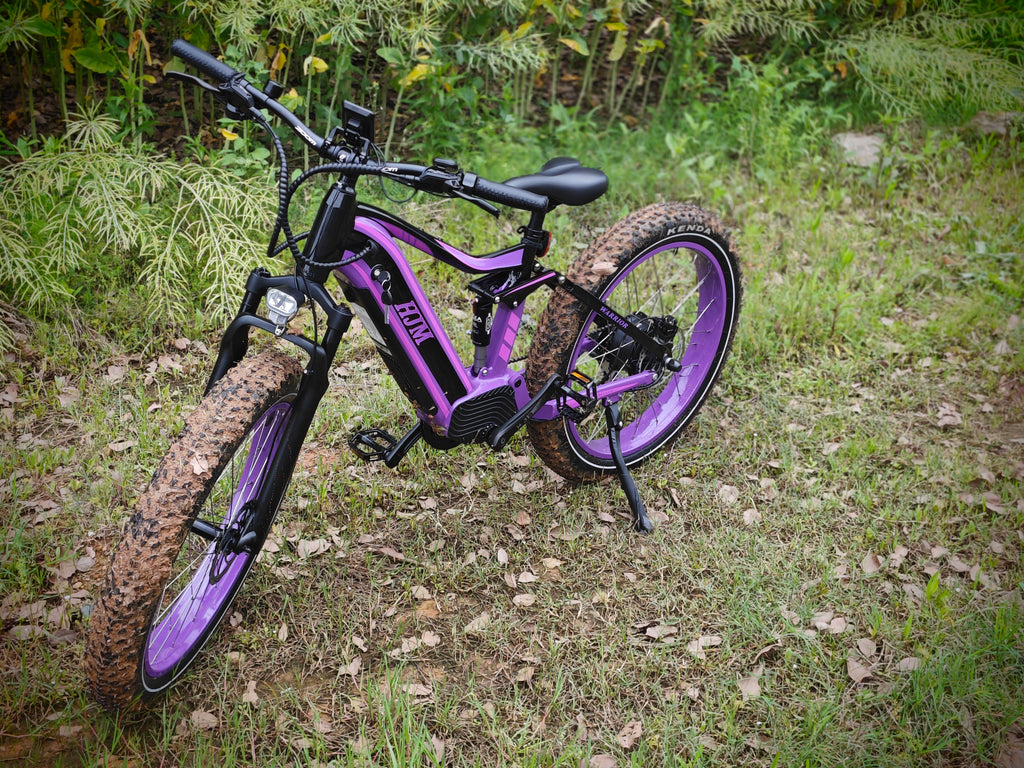
A full-suspension eBike can be worth considering if uneven surfaces are a regular part of your rides and you value additional cushioning at both wheels. The trade-off is a more involved suspension system to set up and maintain. Choose by the routes you actually ride, the bike's intended use and your fit, rather than assuming more suspension is always better. What full suspension addsFull...
How to Ride an Electric Trike: Starting, Turning and Stopping
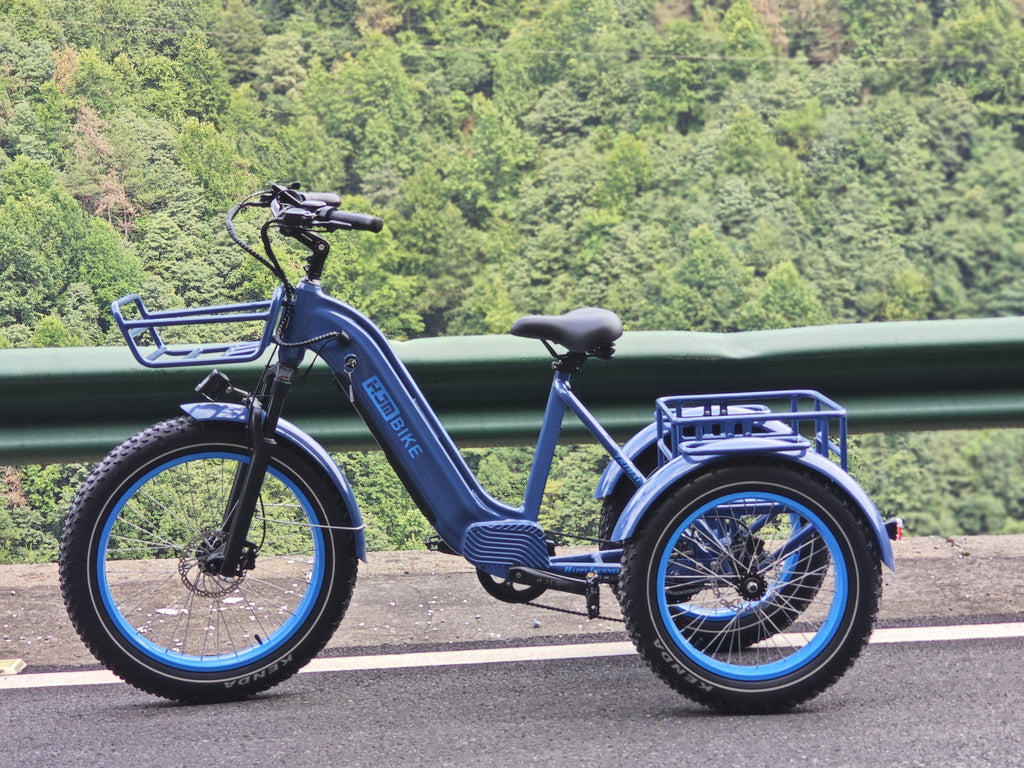
To ride an electric trike, practice gentle starts, controlled straight-line stops and wide, slow turns in a clear, level area. Learn its full width before passing obstacles or adding cargo. Three wheels provide support at rest, but an electric trike handles differently from a bicycle and can still tip. This guide focuses on riding technique. Complete the setup checks and read the manual for...
Electric Trikes for Seniors: A Practical Fit and Buying Checklist
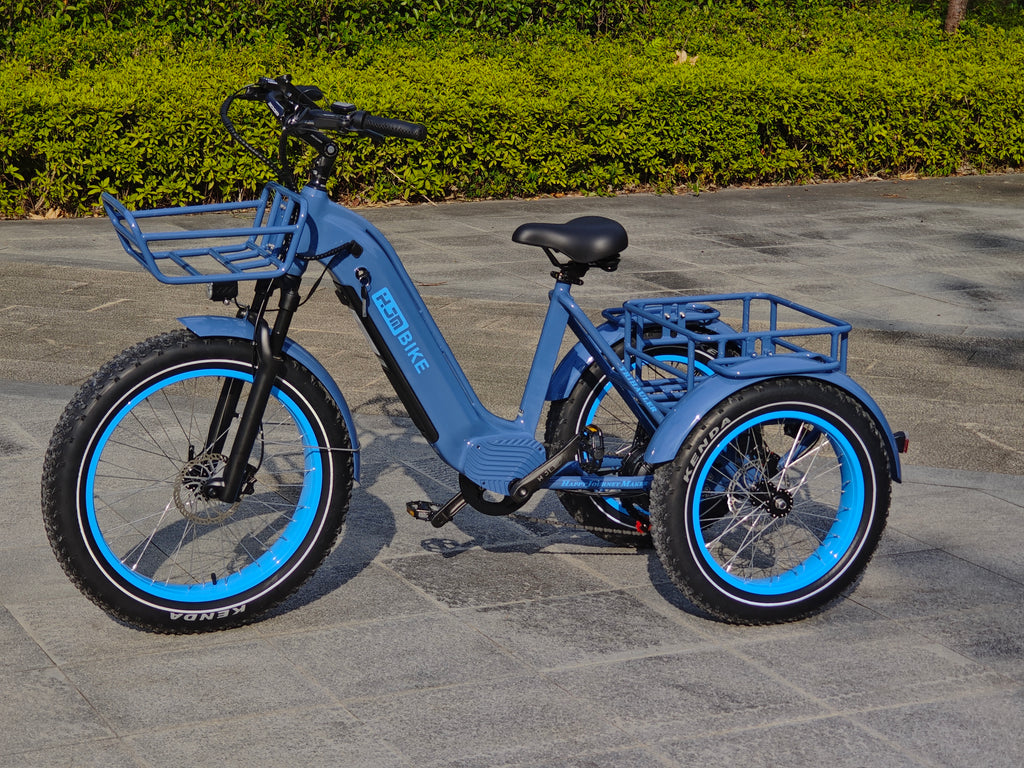
An electric trike can make local outings more enjoyable for older adults who want pedal assistance, three-wheel support at stops and space for everyday essentials. To decide whether one suits you, check how comfortably you can get on, reach the controls, turn and stop. Age alone does not determine the right fit. Start with the trips you would enjoy making: visiting a friend, shopping...
Which TriHauler Electric Trike Fits You? T3, T2, T4 and T5 Compared
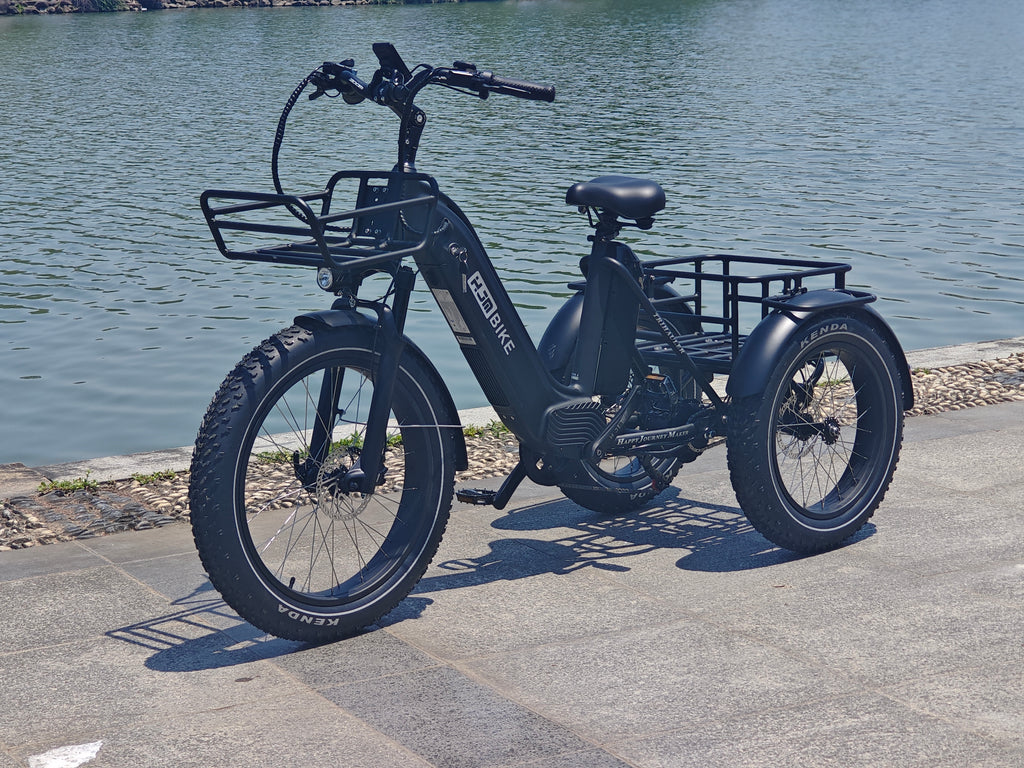
Choosing a TriHauler electric trike starts with your route, how you carry things and which controls you want. T3 uses a front-hub motor, T2 and T4 use rear drive, and T5 adds dual motors, reverse and cruise control. More motor power is one consideration, rather than a substitute for a good fit. Compare the main differences Model Motor configuration Battery choices What to compare...
Electric Trikes for Heavier Riders: Understanding Fit and Payload
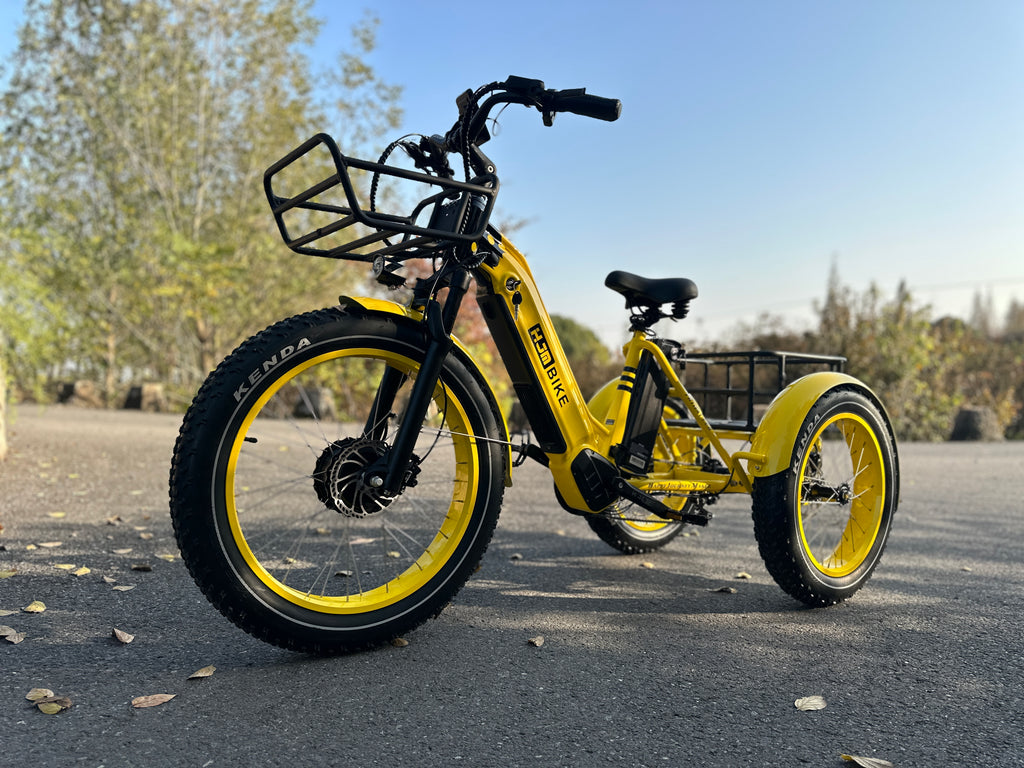
A large payload rating is only part of choosing a trike. Learn how rider limits, cargo, seating and everyday handling work together.
Electric Trike Night Riding: A Before-You-Go Visibility Checklist
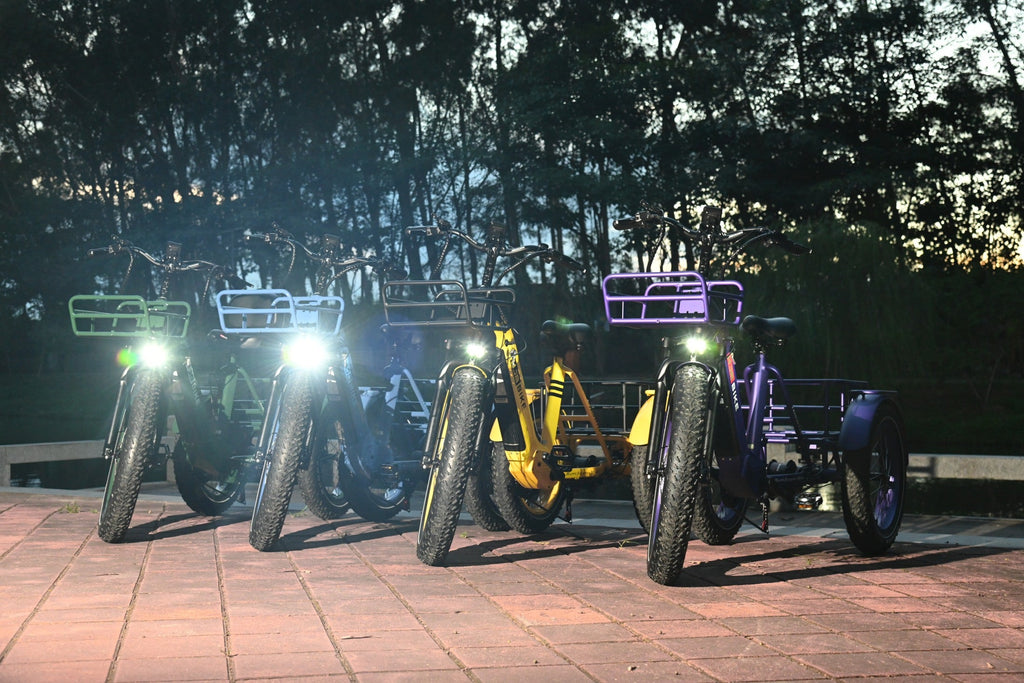
Before an evening ride, check what you can see and whether others can see your trike, including its rear width and any cargo you are carrying.
Electric Trike Weather Planning: When to Ride, Shorten the Trip or Wait
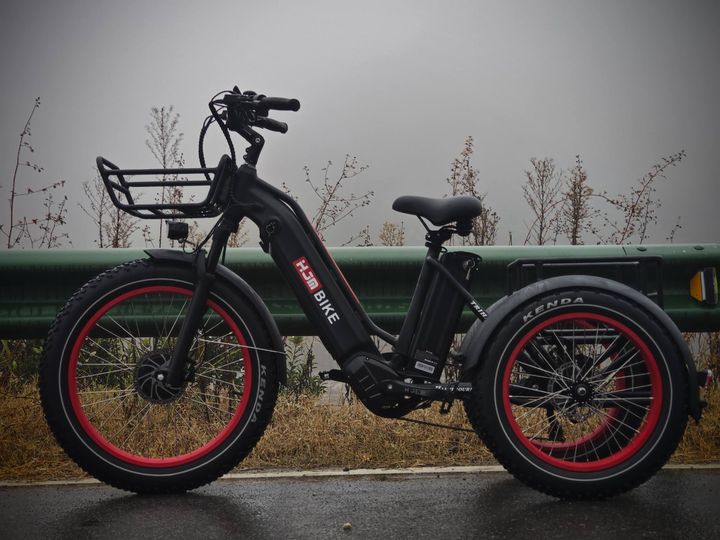
Decide whether to ride an electric trike by checking the forecast, road conditions and your trike's operating limits together. A short ride in manageable conditions is different from continuing into flooding, ice or a developing storm. Changing the plan is part of planning the ride. Check the whole trip, not just departure timeLook at the expected conditions for the return journey, including visibility and...
Hydraulic vs. Mechanical Electric Trike Brakes: Feel, Care and Fit
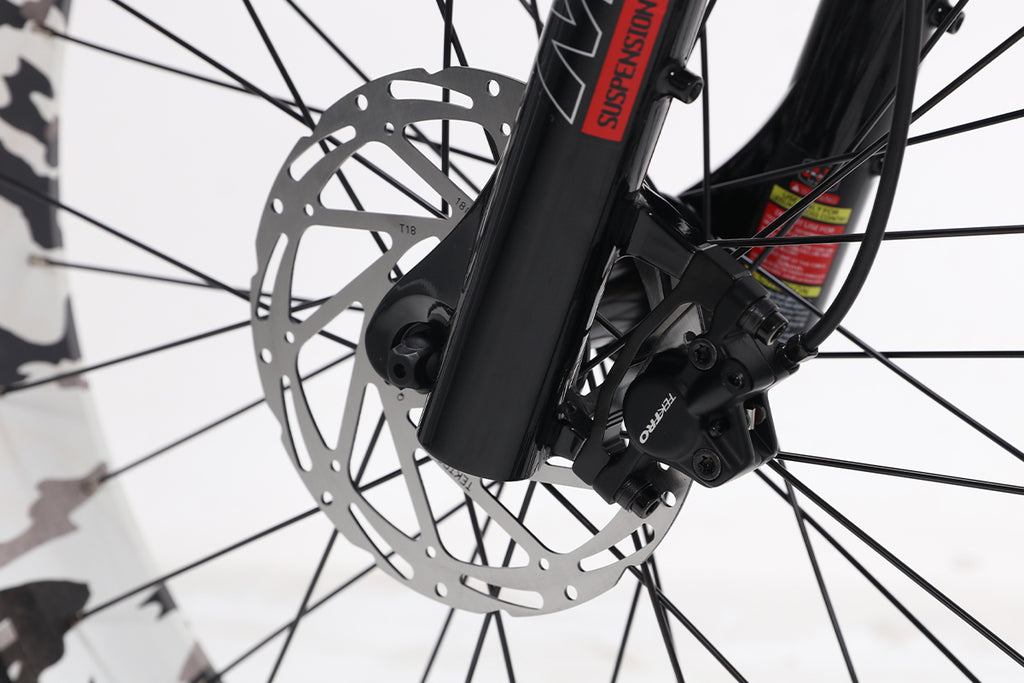
Hydraulic disc brakes transmit lever force through fluid, while mechanical disc brakes use a cable. Either system needs correct setup and maintenance. On an electric trike, the complete brake layout, tire grip, carried load and surface conditions matter as well as the way the brakes are operated. How the two systems work Both systems press brake pads against a disc rotor. A hydraulic brake...
TriHauler T4 vs. Lectric XP Trike vs. Addmotor Grandtan II: A Buying Checklist
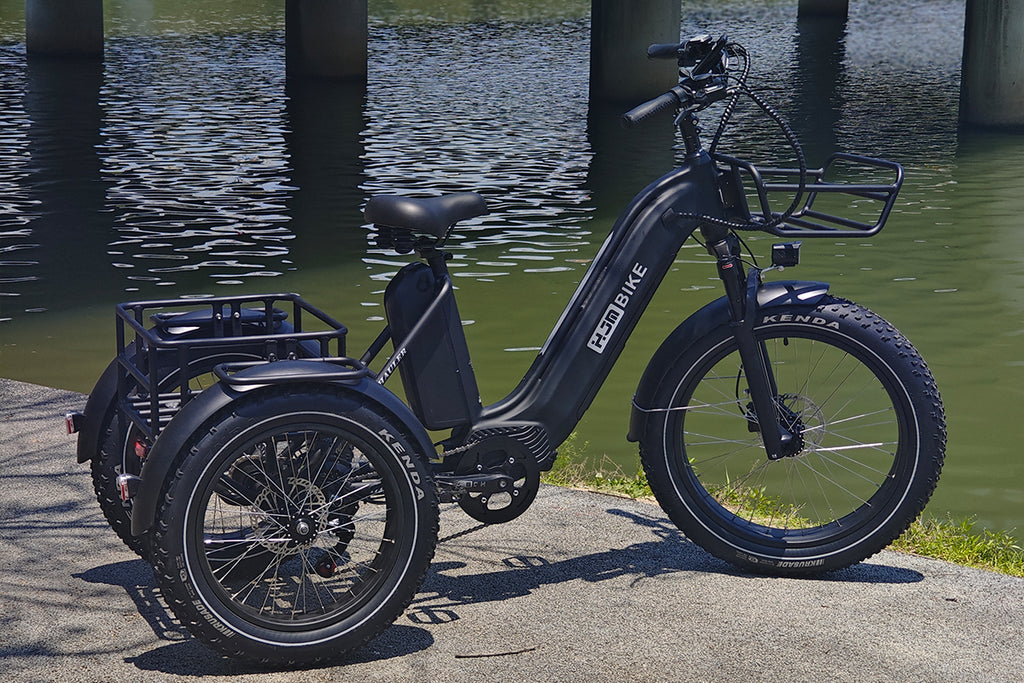
A useful comparison of the TriHauler T4, Lectric XP Trike and Addmotor Grandtan II should begin with the exact generation and configuration offered. Then compare how each fits your storage, riding route, carrying needs and service plans. Old prices and mixed-generation specifications can make an otherwise helpful comparison misleading. Why the model name needs a second look TriHauler Pro is the former name for...
Electric Trike Accessories: What to Add and How to Check Fit
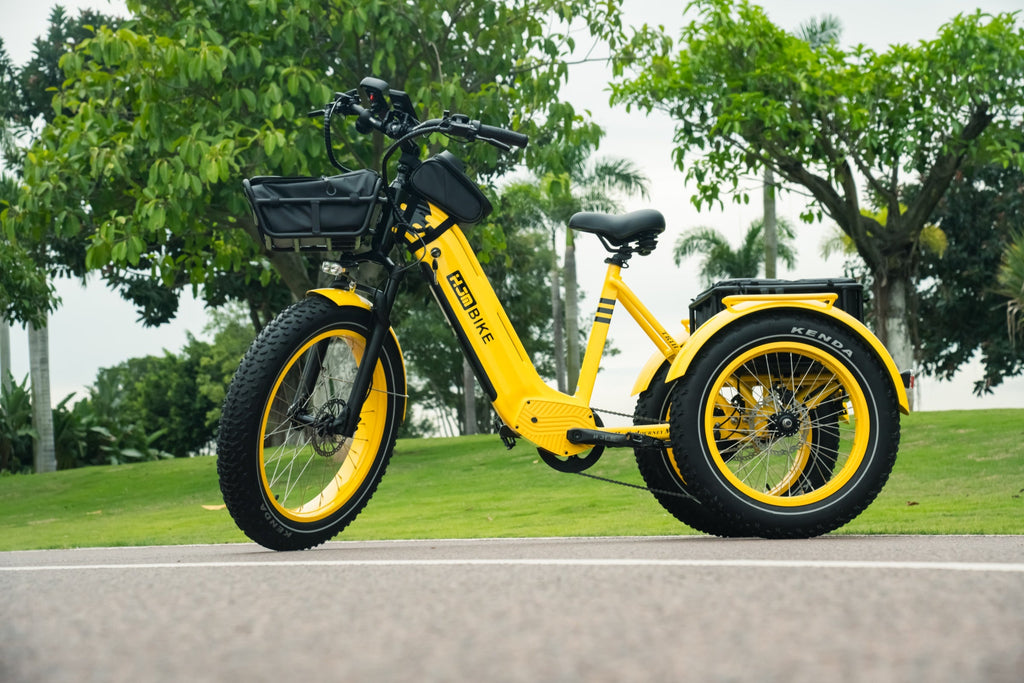
Start with the equipment already on your TriHauler, then choose accessories around the things you carry and the way you use your trike.
How Electric Trike Motors Work: Front Hub, Rear Drive and Dual Motors
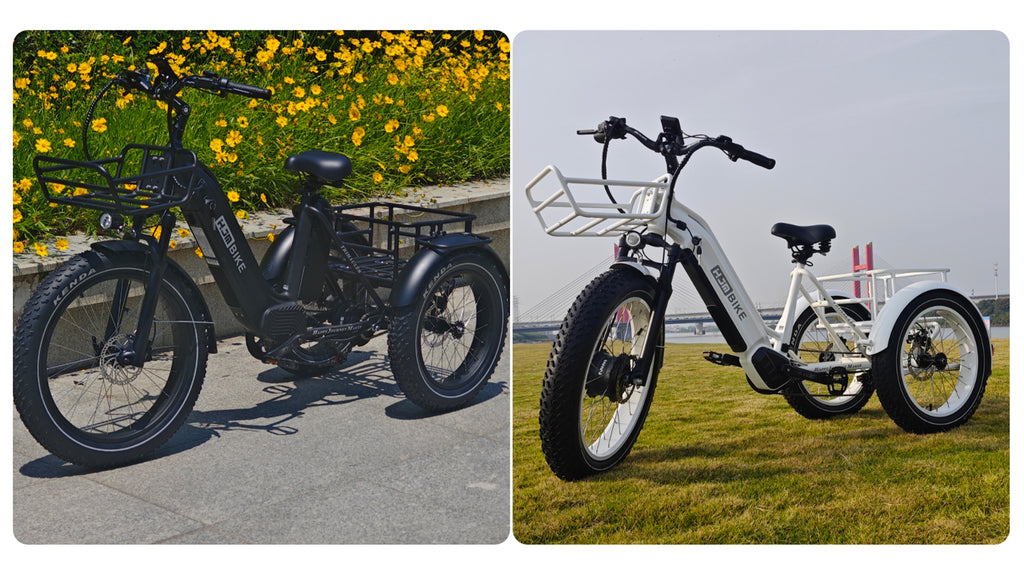
An electric trike's motor layout tells you where electric power enters the drivetrain. A front-hub motor drives the front wheel; a rear-drive system sends motor power to the rear; a dual-motor system uses two electric motors. Pedaling the rear wheels does not turn a single-motor trike into a dual-motor trike. Front-hub motors: electric power at the front wheel A front-hub motor sits in the...
Puncture-Resistant Electric Trike Tires: Protection, Reflective Strips and Fit
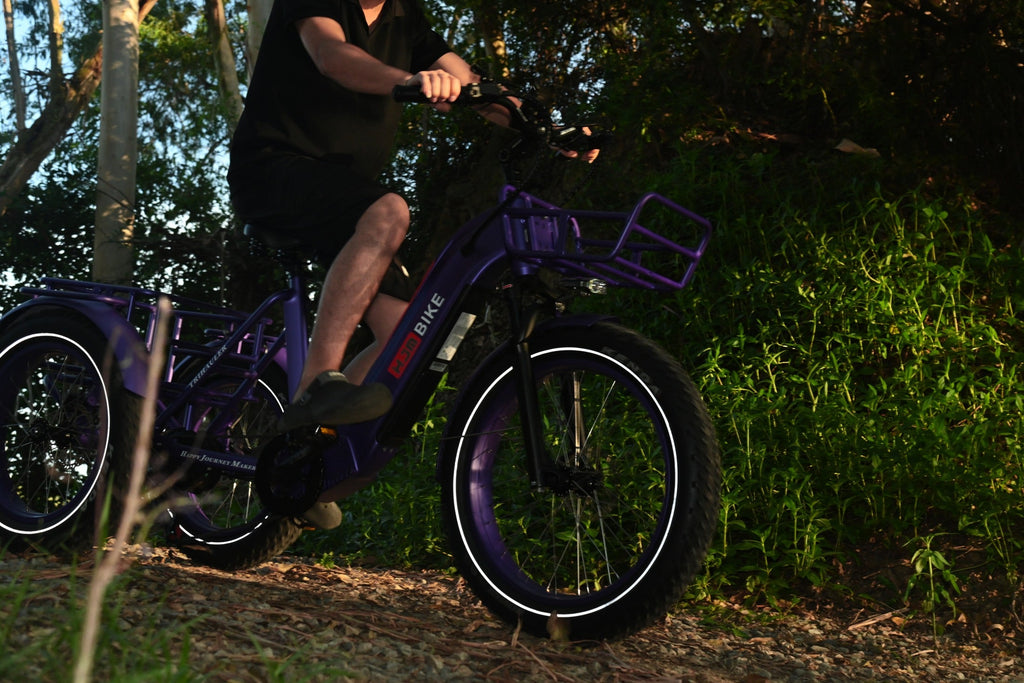
Puncture protection and reflective strips serve different purposes. Learn how to check the tires actually fitted to your electric trike.
Fat Tire eBike Riding: Moving Between Pavement and Gravel
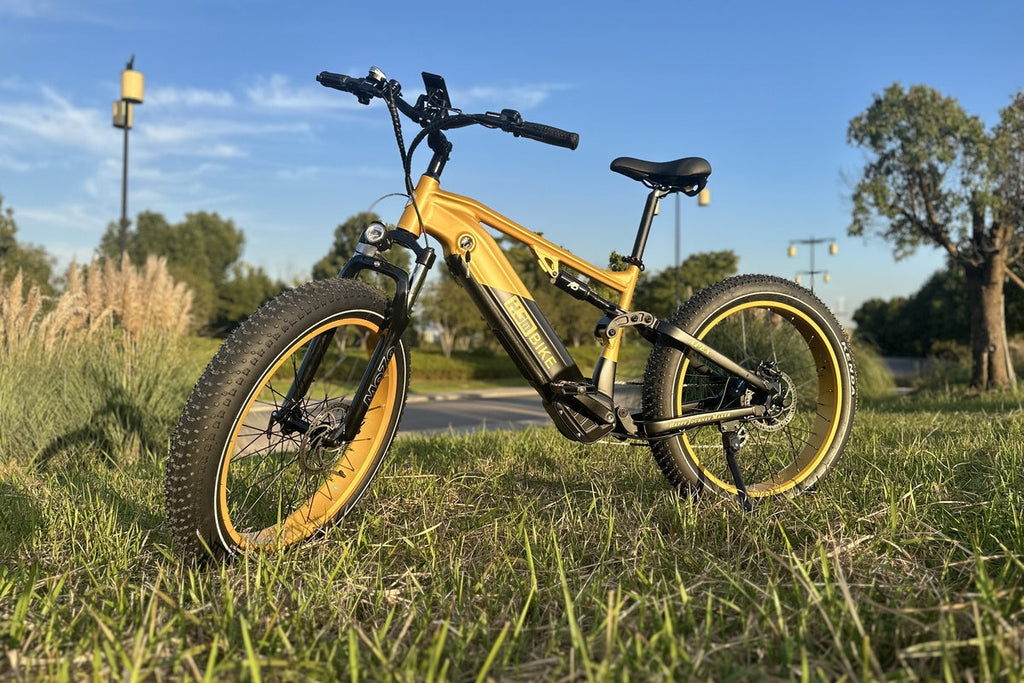
For a fat tire eBike ride that includes pavement and gravel, plan around the changes between surfaces. Wider tires may contribute to comfort, but they do not make every loose section predictable. Match the route to the complete bike's intended use and your handling experience. Look ahead to where the surface changesA gravel entrance, broken edge or loose patch can require a different pace...
Electric Mountain Bike Outings: Plan the Trail and Ride Considerately
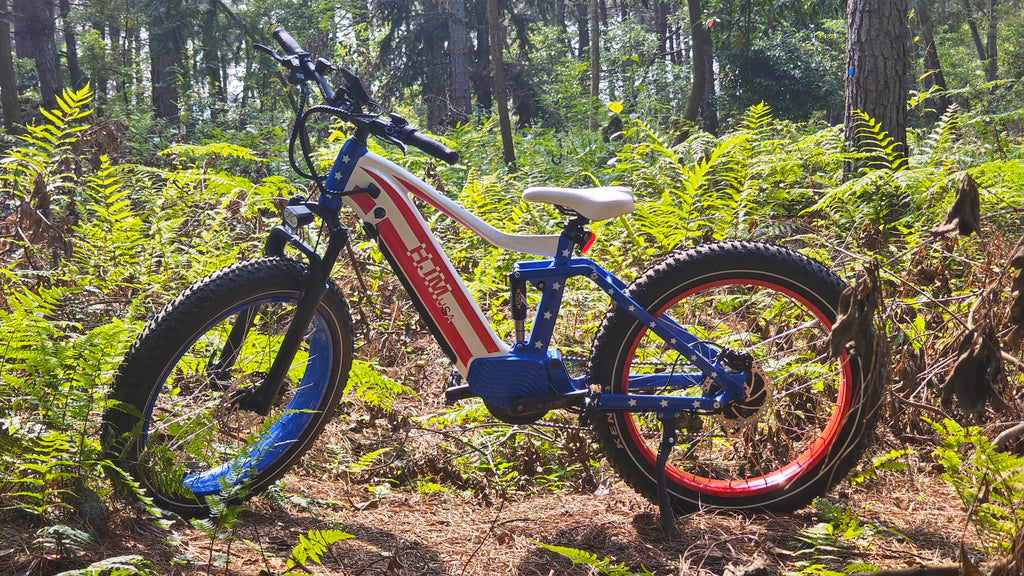
An electric mountain bike outing starts with a trail that permits your bike and suits your experience. Check the route's surface, difficulty and current conditions before setting off, then ride at a pace that leaves room for other trail users. Check permission for the exact routeA trail marked for bicycles is not automatically open to every eBike. Check the land manager's current notices and...
UL-Certified Electric Trike Batteries: What to Check

Battery certification and complete electrical-system certification are different claims. Check the label, listing and approved equipment for your actual trike.
How to Read an Electric Trike Display: Battery, Assist and Ride Data
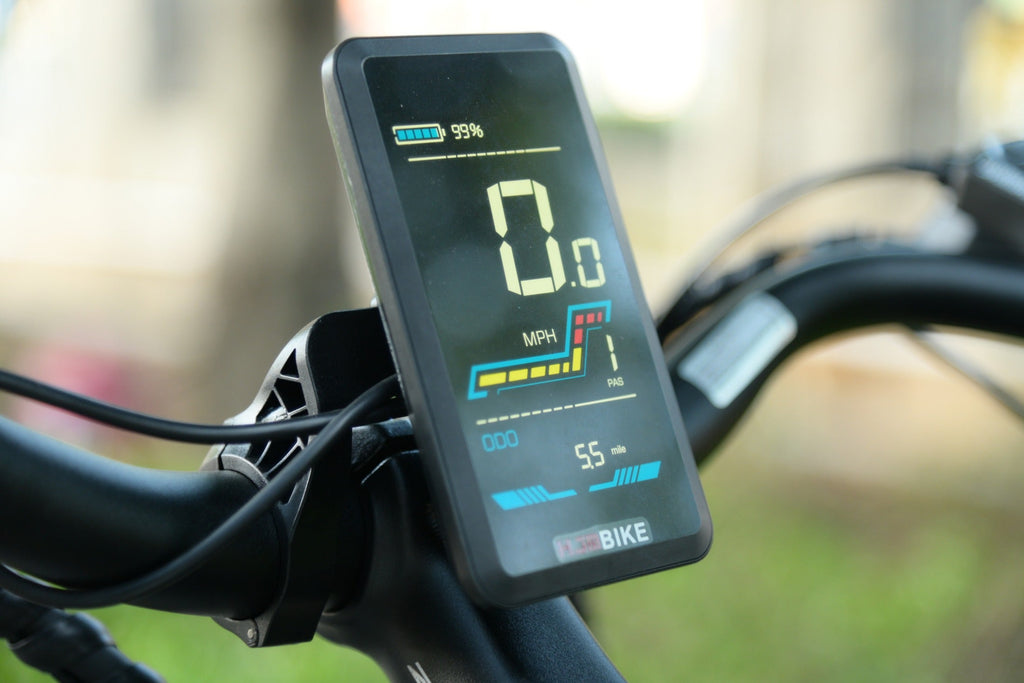
A useful display makes essential ride information easy to find. Learn your own layout before riding, whether it is a color or monochrome version.
Cadence vs. Torque Sensors on Electric Trikes: What Riders Feel
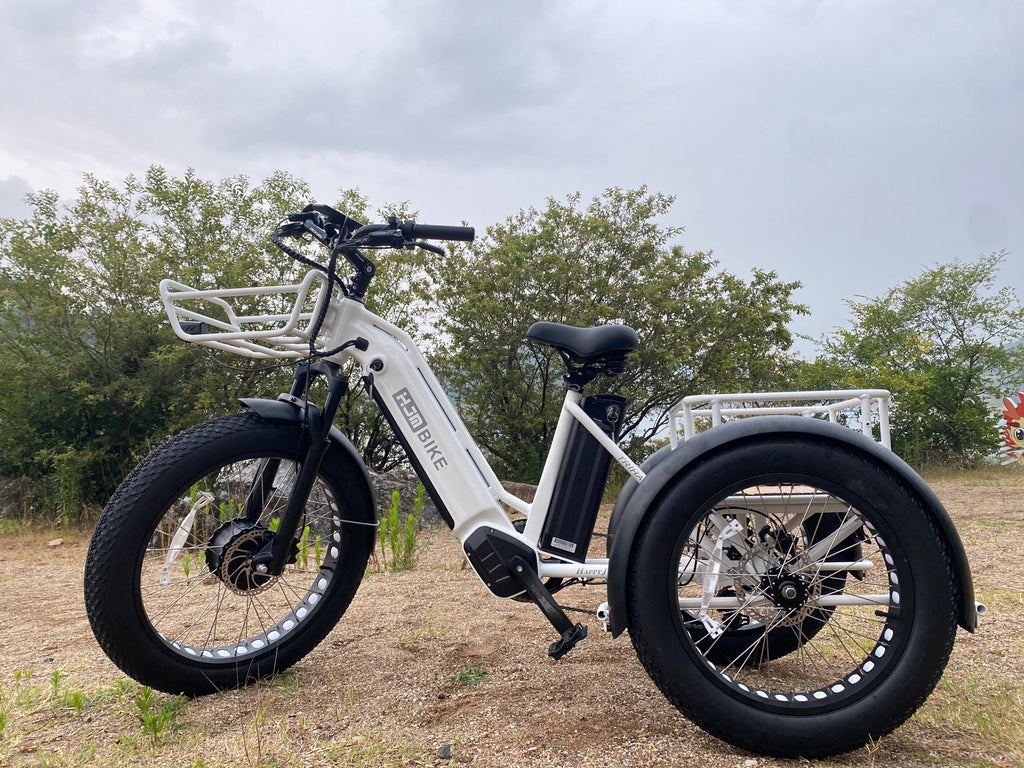
Sensor type helps explain pedal-assist behavior, but the complete system shapes the ride. Compare the feel you want and confirm the exact configuration.
Your First Week with a TriHauler: Building Confidence Gradually
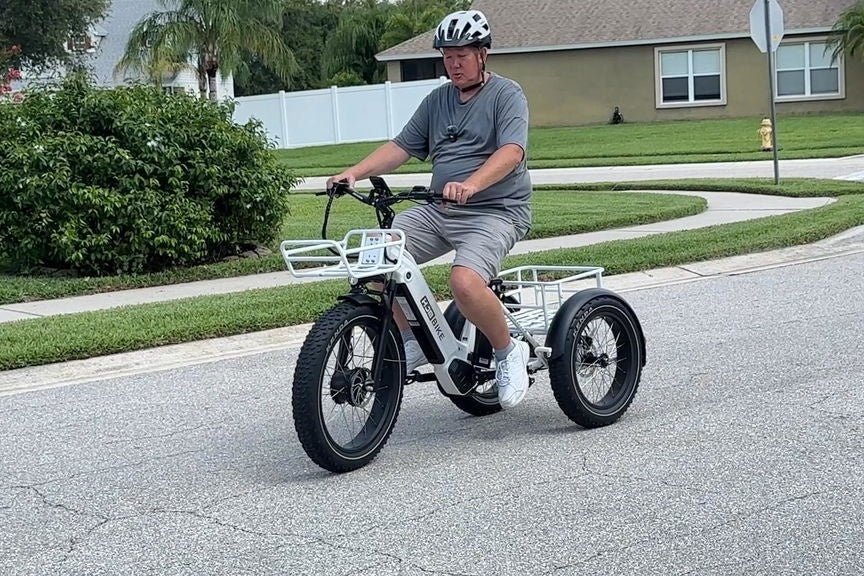
Your first week with a TriHauler is an opportunity to build a comfortable routine: learn the controls, practice in a clear area, choose a short route and introduce cargo gradually. Treat these as stages, not a deadline. Some riders need more time before moving to the next step. Complete the delivery checks and follow the manual for your exact model before riding. Make the...
Electric Trikes for Errands: Planning Shopping and Local Trips
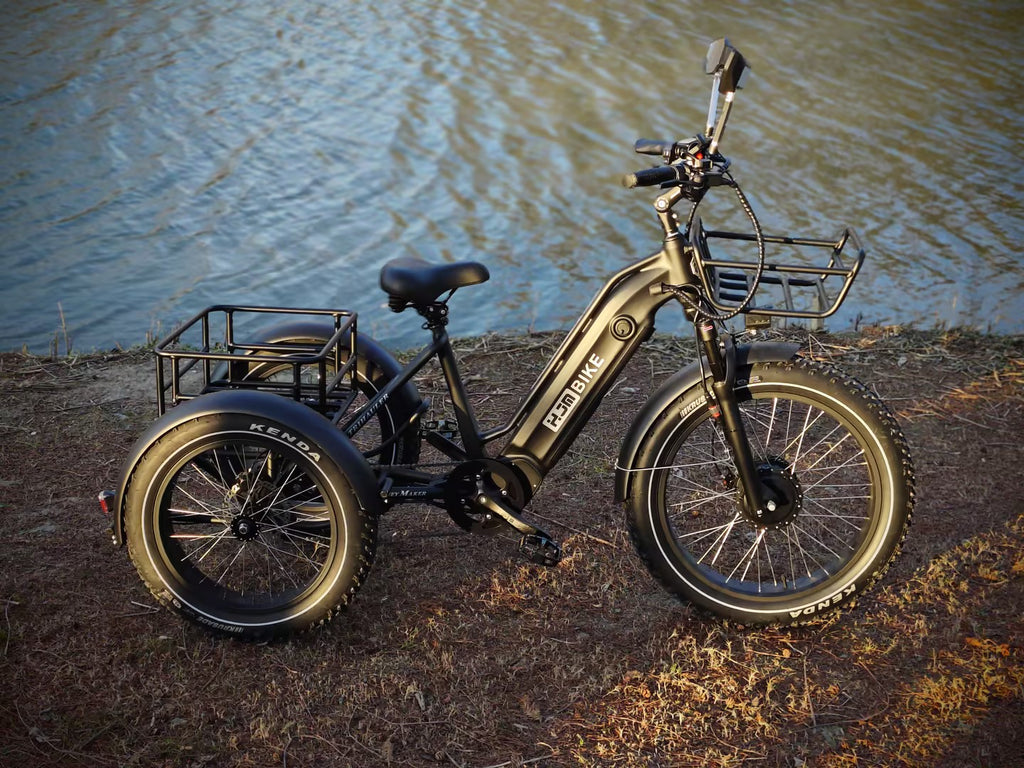
An electric trike can be useful for shopping and local errands when the route, parking and carried load suit the vehicle. Plan the complete trip, including the heavier journey home, rather than judging convenience by basket size alone. Start with one familiar errand and a manageable load. Make a shopping list that fits the carriers Think about weight, size and packaging before leaving. A...
Returning to Your eBike After Winter: A First-Ride Checklist
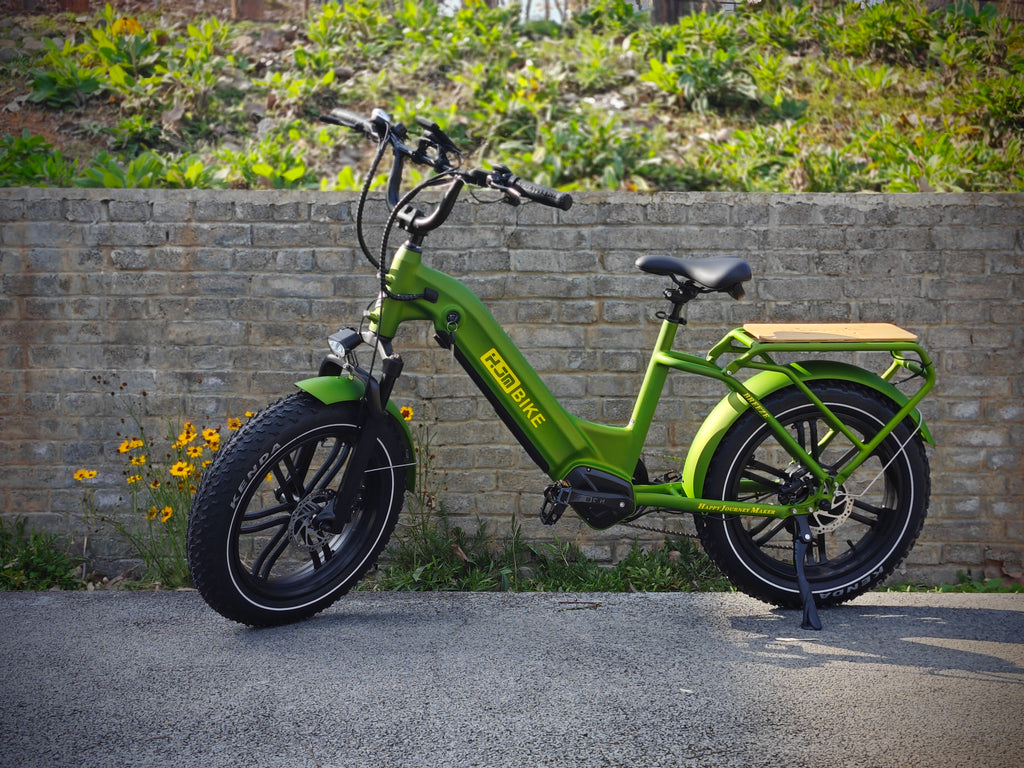
Before the first eBike ride after winter storage, check the bike's condition and controls rather than assuming it is ready because the display turns on. Follow your model's instructions, address any faults and begin with a short ride close to home. Inspect before charging or ridingLook for tire damage, corrosion, loose accessories and signs of moisture. Check the battery casing and connection area for...
From an eBike to an Electric Trike: What Changes When You Ride?
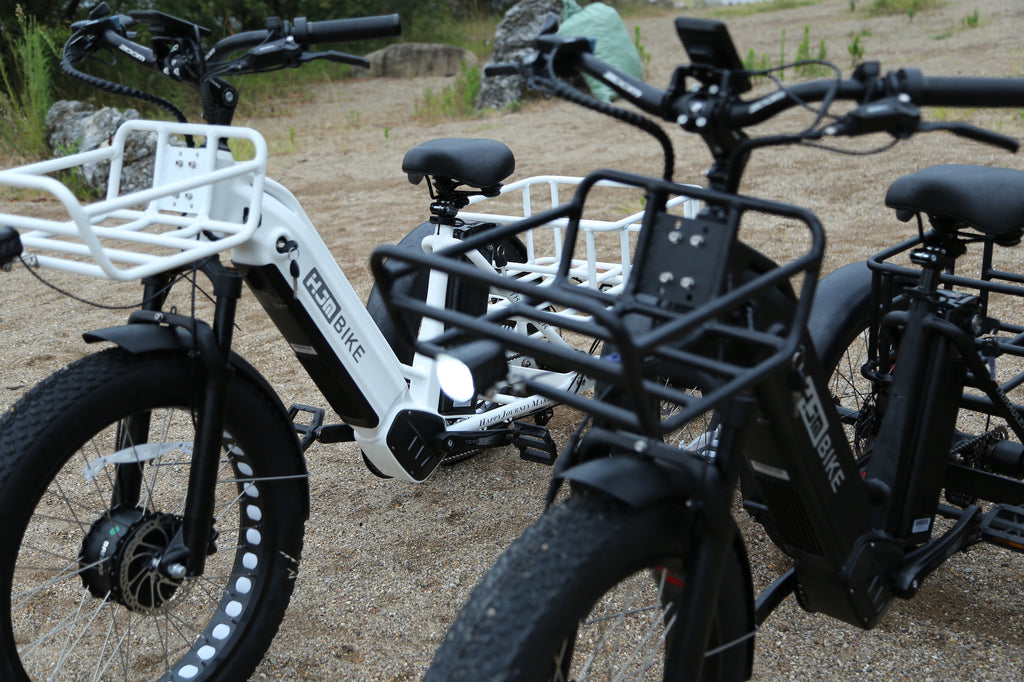
If you already ride an eBike, an electric trike may feel familiar at the controls but different on the ground. The main changes are how you turn, judge rear-wheel clearance, stop and carry a load. Treat the first outing as a new riding experience rather than assuming bicycle habits transfer unchanged. Three-wheel support changes the stop On suitable level ground, the trike supports itself...
9 Useful eBike Accessories for Everyday Rides
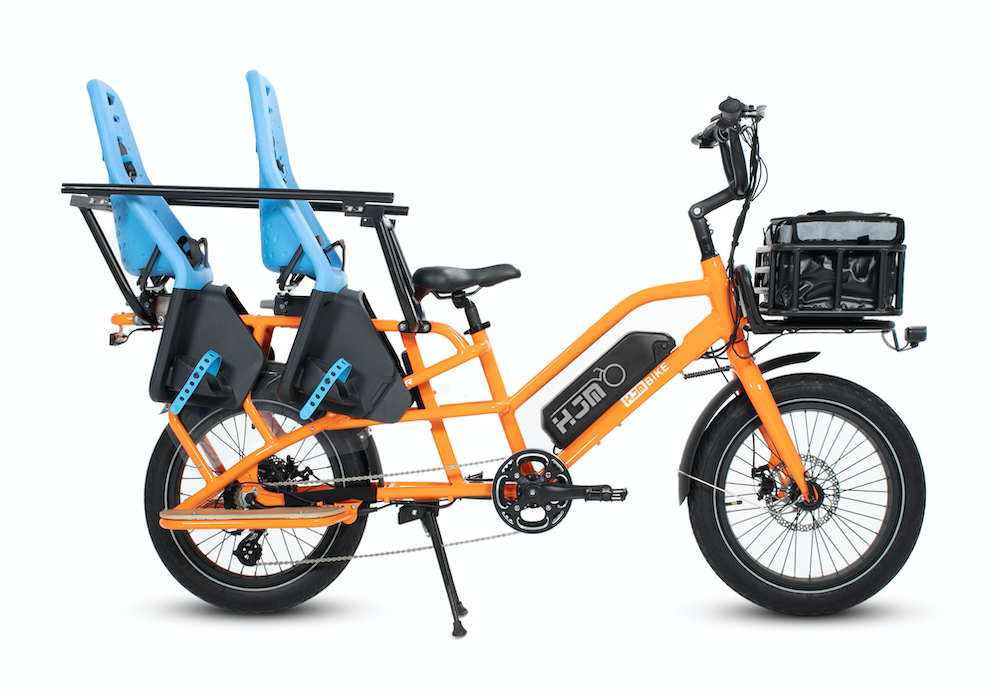
Useful eBike accessories solve a problem on the rides you actually take. Start with what your bike already includes, then fill the gaps. You do not need to buy every item on this list. 1. A properly fitted helmetChoose a helmet suitable for your riding and applicable requirements. Check its size and adjustment instructions. An integrated light is an extra feature, not a replacement...
How eBike Suspension Works: Forks, Rear Shocks and Hardtails
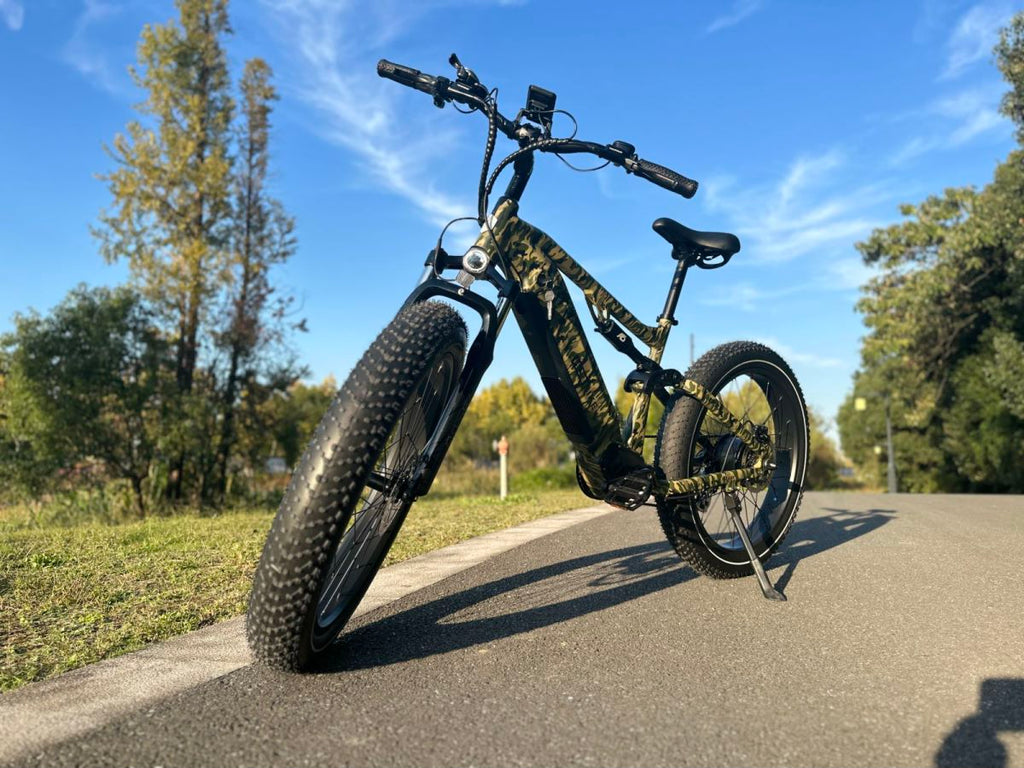
eBike suspension allows controlled movement between a wheel and the frame to manage bumps. A suspension fork works at the front; a rear-suspension system allows movement at the rear. A hardtail has no rear suspension, while a full-suspension bike has suspension at both ends. Forks, rear shocks and frame layoutThe fork connects the front wheel to the steering assembly. A suspension fork permits movement...
HJM Roamer Mid-Drive eBike: Pedal Assist for Everyday Cruising
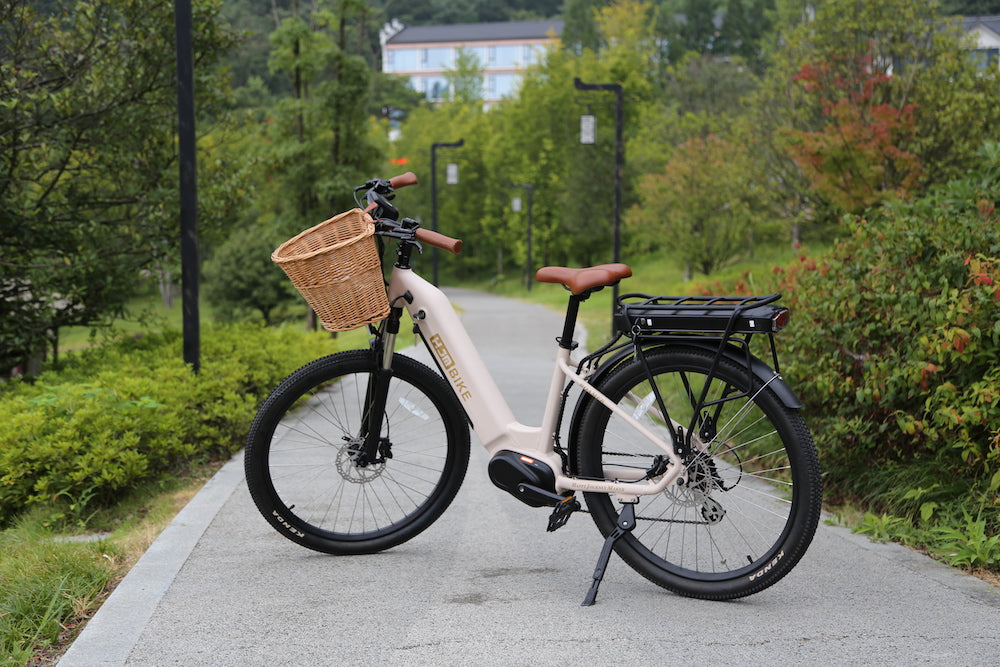
Roamer is HJM's step-through mid-drive cruiser eBike, combining torque-sensing pedal assist, an upright riding position and dual batteries. It offers 350W and 500W Bafang mid-drive motor options. Both versions require pedaling for assistance: Roamer has no throttle.What does the mid-drive layout mean?The motor sits near the pedals and delivers assistance through the bicycle's drivetrain. Shimano 7-speed gearing lets you choose a pedaling rhythm for...
HJM Radiant Commuter eBike: Minimalist Design, Responsive Assist
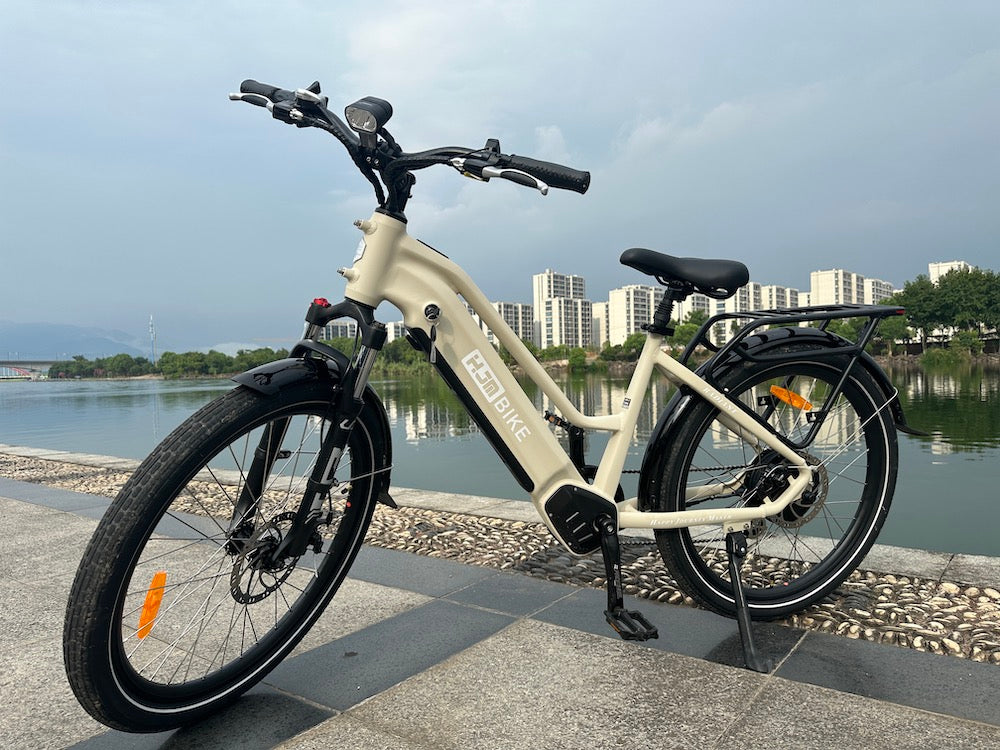
Radiant is HJM's minimalist step-through commuter eBike. Concealed cables and an integrated display give it a tidy appearance, while a 500W rear hub motor and torque-sensing pedal assist support everyday city riding. Its 48V 15Ah LG-cell battery stores 720Wh of nominal energy.What makes the design minimalist?The display is integrated into the cockpit rather than mounted as a separate raised screen. Concealed cable routing reduces...
Longtail Cargo eBikes: Plan the Load Before the Ride
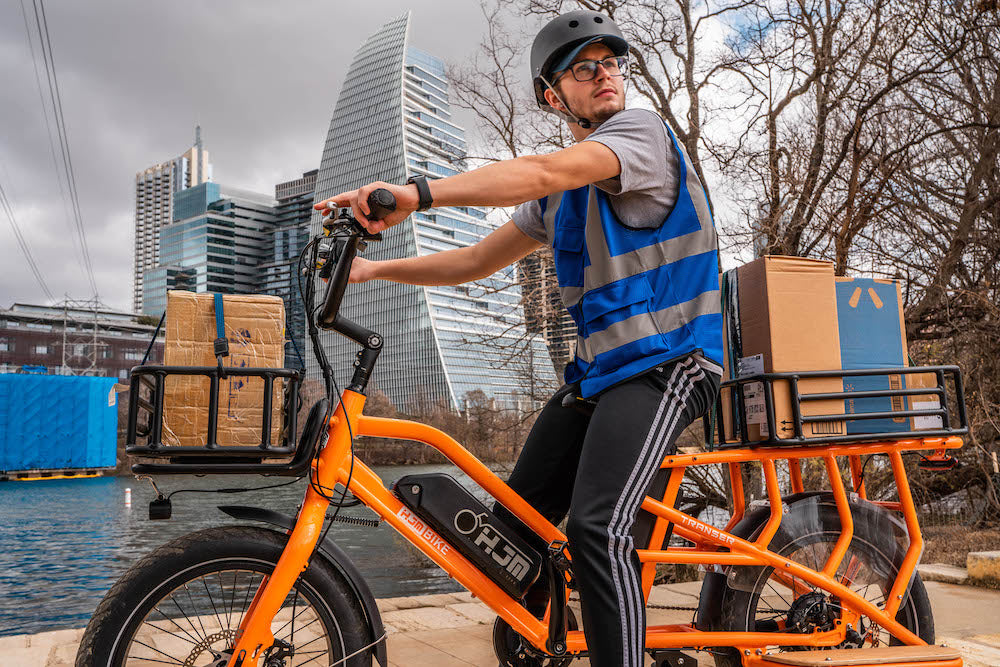
A longtail cargo eBike uses an extended rear section to create space for carrying items. Before using that space, check the complete bike's payload limit, each carrier's limit and the approved mounting arrangements. Extra space is not permission to carry unlimited weight. Start with the load you actually carryList a typical shopping trip, work bag or delivery load before choosing storage. Consider its weight,...
Where to Ride an eBike in Spring: Choose a Route That Fits Your Day
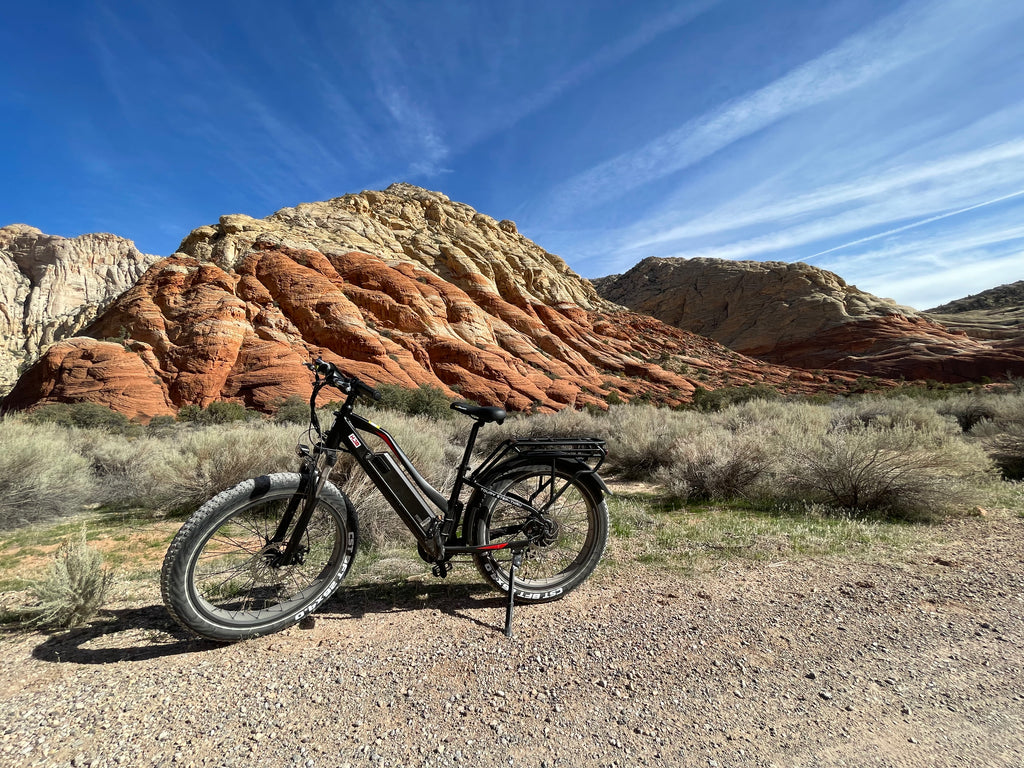
A good spring eBike route matches your riding experience, the bike you own and the time you have available. Start by checking whether your exact type of eBike is permitted, then look at surface condition, distance, traffic and places to stop. A neighborhood loop for a simple first outingA familiar loop makes it easier to shorten the ride, avoid a busy intersection or return...
How to Evaluate an eBike Brand: Support, Parts and Clear Information
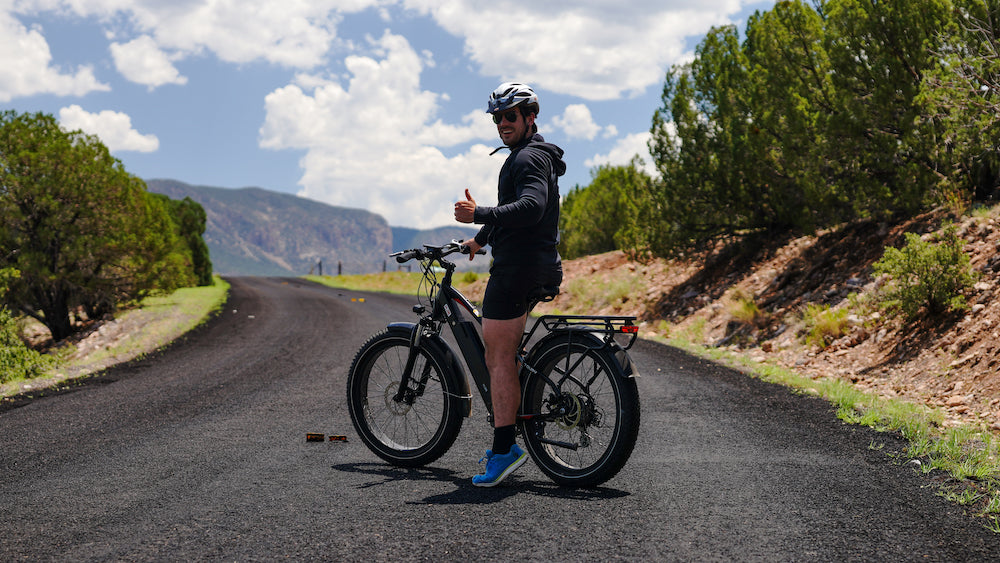
Evaluate an eBike brand by checking whether it provides clear product information, reachable support, compatible replacement parts and written purchase policies. A seller's location, advertising or years in business alone cannot establish product quality. Ask questions you can verify before ordering. Check whether the information matches the productLook for specifications for the exact model and selected configuration. Can the seller explain the battery, brakes,...
A Relaxed Spring eBike Ride: Plan a Short Outing with Easy Stops
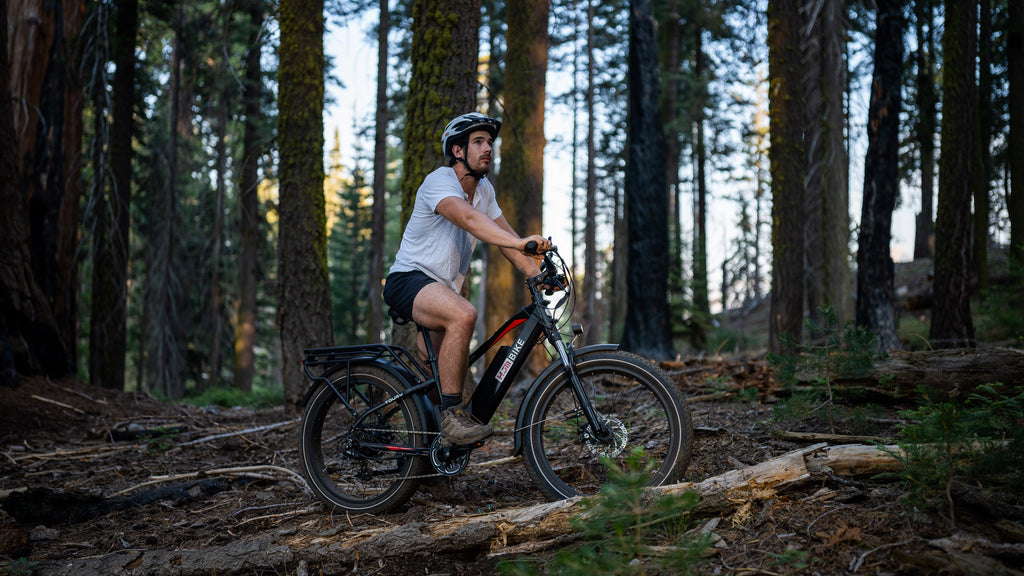
A relaxed spring eBike ride does not need a long route. Choose a short loop with a comfortable place to stop, room to turn back and enough time to enjoy the surroundings. Plan the outing around the experience you want rather than the distance your battery might cover. Pick one simple reason to goA park visit, a coffee stop or time outdoors can be...
How to Lock an eBike: Parking, Locks and Theft Records
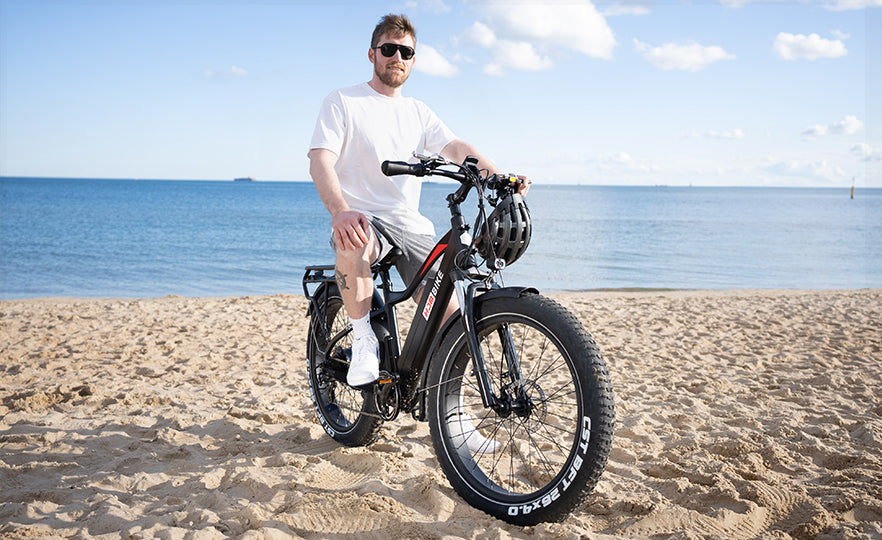
To lock an eBike, secure its frame to a suitable fixed anchor with a lock appropriate for the location and your insurer's requirements. Add protection for removable parts and keep ownership records. No lock, alarm or tracking device can guarantee that a bike will not be stolen. Choose the parking place before choosing the anchorLook for permitted bicycle parking with good visibility and a...
Summer Family eBike Rides: Plan a Short Outing Everyone Can Enjoy

A summer family eBike ride works best when the route, pace and stops suit the least experienced person in the group. Choose a short outing with a clear destination, plan an easy return and leave room to change the plan. Give the ride a simple destinationA picnic area, familiar park or quiet scenic stop can give everyone something to look forward to. Check access...
Planning a U.S. Electric Trike Trip: Routes, Access and Everyday Stops
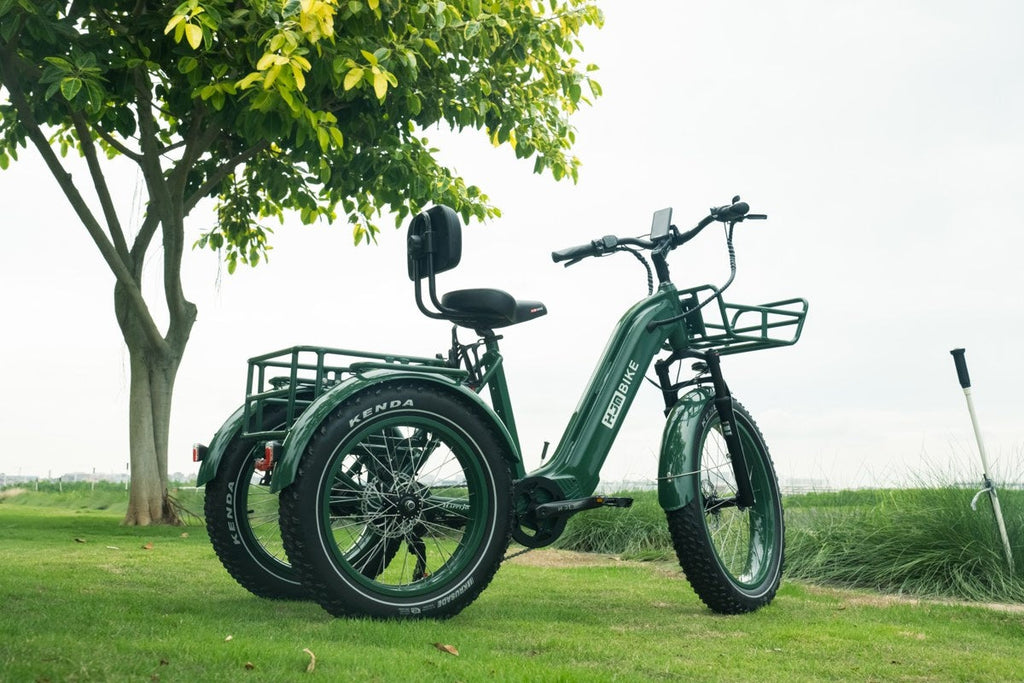
An electric trike trip starts with a route that permits your exact vehicle and has enough usable space for it. A destination described as bicycle-friendly is not automatic confirmation that every electric trike can use every trail or path. Check access, width, surfaces and the return journey before making travel arrangements. Confirm permission for your exact trike Use the responsible trail, park or road...
Summer eBike Clothing and Gear: A Practical Packing List
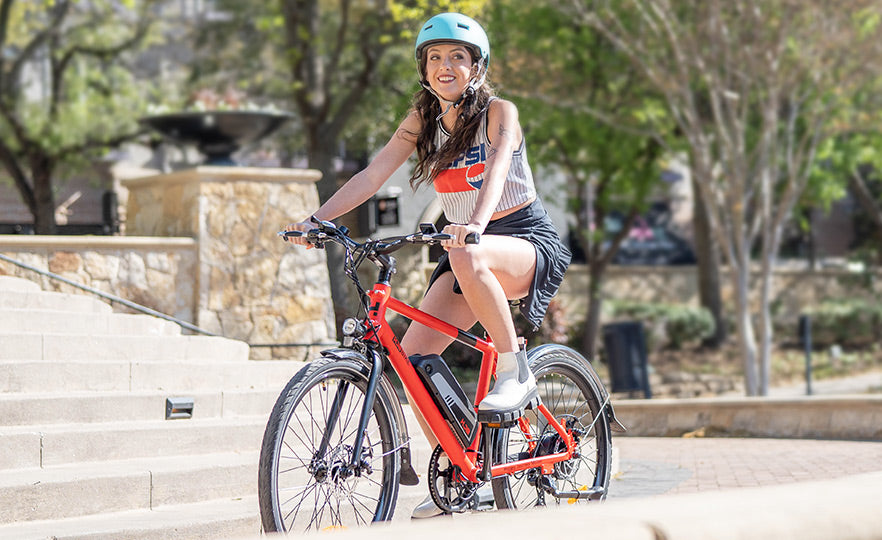
For a summer eBike ride, choose comfortable clothing that suits the weather and cannot catch in moving parts. Add a fitted helmet, appropriate eye protection and a practical way to carry water. Pack for the ride home as well as the conditions when you leave. Choose fabric by how it performsLook for a breathable garment that manages moisture and fits comfortably in your riding...
How to Inflate eBike Tires: Valves, Pressure and Pump Setup
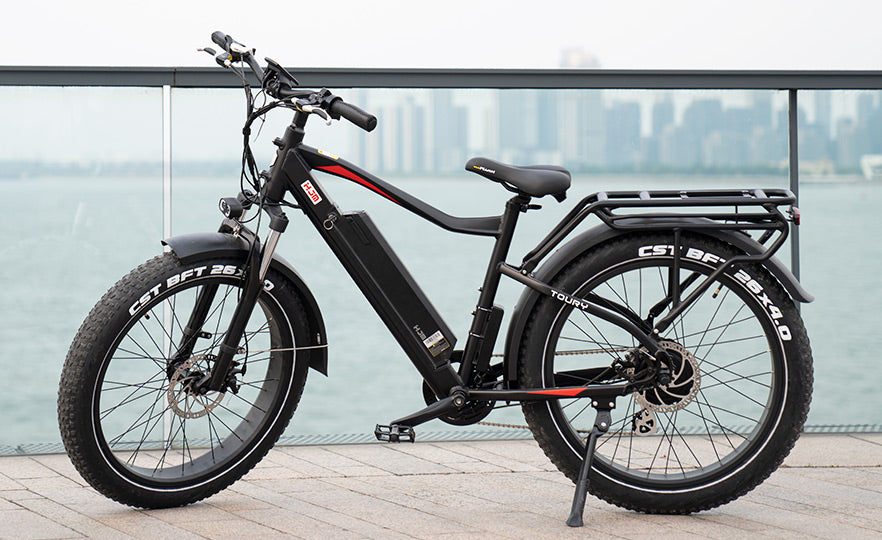
To inflate eBike tires, identify the valve, connect a compatible pump with a pressure gauge and add air gradually within the guidance for your tire, rim and bike. Check the pressure before riding rather than judging it by squeezing the tire. Wheel diameter does not determine the valve type or the correct pressure. Two eBikes with the same wheel size may need different pump...
eBike Commuting Checklist: Plan the Ride, Parking and Trip Home

Prepare an eBike commute by planning both directions, checking where the bike will be parked and packing only what you can carry securely. Try the route before relying on it for a time-sensitive workday. Practice the complete journeyRide the intended route when you have time to stop and assess it. Check junctions, surfaces, busy sections and the approach to your destination. A route that...
Father's Day Gifts for eBike Riders: Useful Ideas That Fit
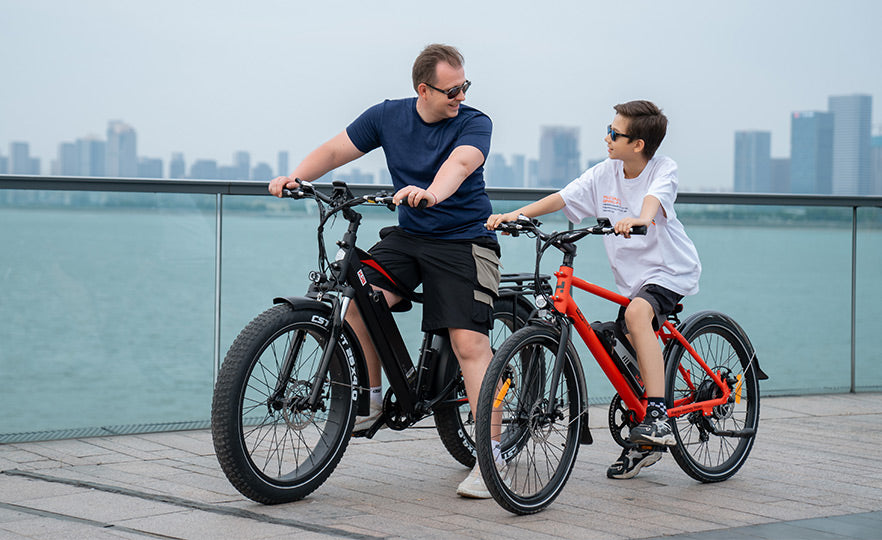
A useful Father's Day gift for an eBike rider solves something he has mentioned about his rides. Start with what Dad already owns, how he uses the bike and which accessories fit. A small, well-chosen item can be more welcome than an expensive surprise that needs replacing. Storage for the things he actually carriesA compatible bag can help organize keys, a phone, tools or...
Summer eBike Riding: Plan Around Heat, Sun and Rest Stops

For summer eBike riding, choose the timing and route around local heat conditions. Electric assistance may reduce pedaling effort, but it does not remove your exposure to heat or sun. A shorter ride or another day may be the better choice. Check conditions before choosing a distanceLook beyond the chance of rain. Review local heat guidance and air quality before leaving. The CDC recommends...
Choosing an eBike for Dad: Make the Decision Together
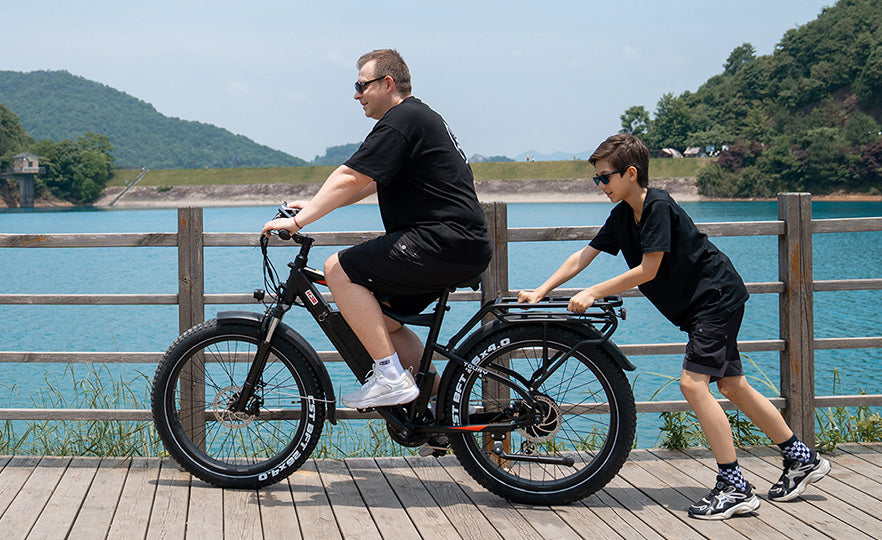
When choosing an eBike for Dad, involve him in the decision. Fit, handling and everyday use matter more than the surprise. Begin with the rides he wants to make, then check whether he can comfortably ride, park and store the bike. Ask what he would enjoy using it forStart with his interests rather than a general idea of what a father should ride. He...
How to Store an eBike Battery Between Rides and for Longer Breaks
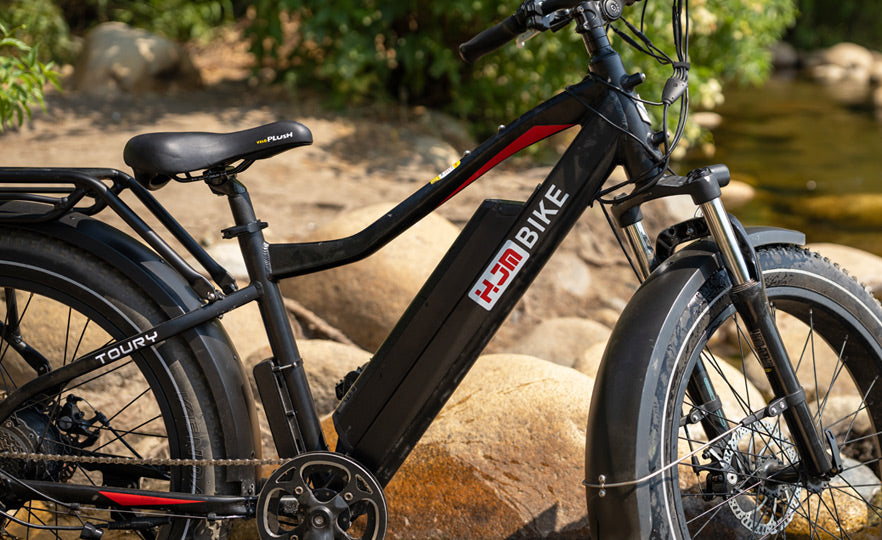
Store an eBike battery in a dry, protected location within its approved storage conditions. For longer breaks, follow the battery’s specified storage charge level and checking schedule. Do not leave the charger connected as a substitute for a storage routine. Daily parking and extended storage need different preparation. The correct procedure depends on your battery and model, so keep the applicable instructions available. Between...
eBike Maintenance Checklist: Routine Care and When to Get Service
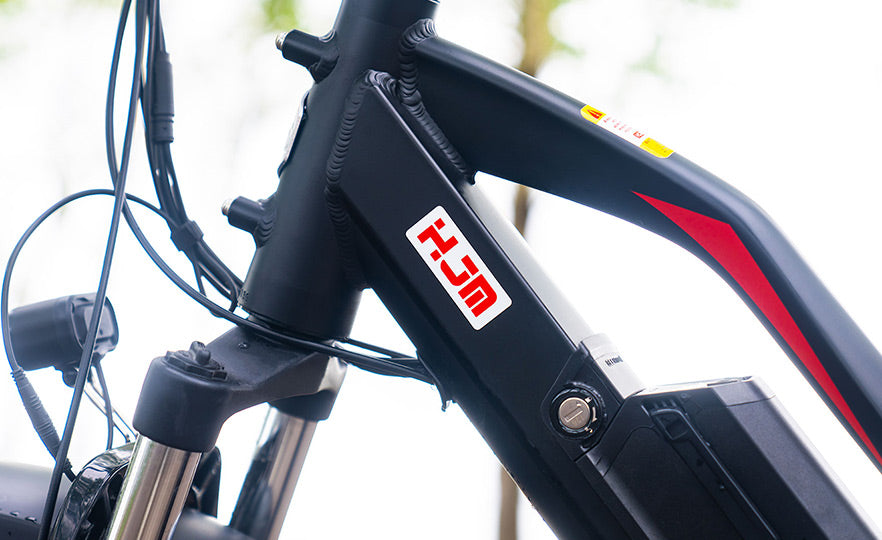
An eBike maintenance routine should include checks before riding, care after wet or dirty rides and scheduled service based on your bike and component manuals. Start with tires, brakes, secure components and battery mounting. Resolve damage or unexpected changes before continuing to ride. There is no single maintenance interval that suits every eBike. Riding conditions, use and component requirements all matter. Before riding: check...
Carrying a Spare eBike Battery: Compatibility and Secure Storage
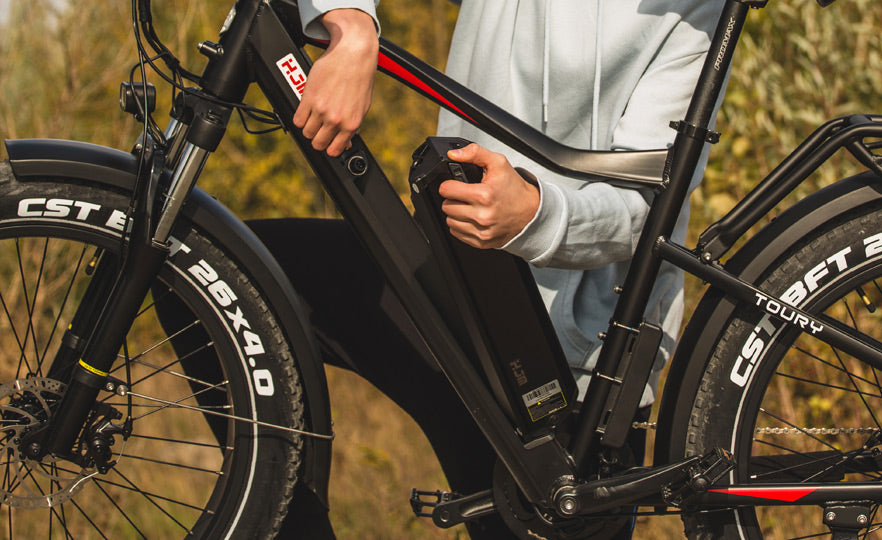
Carry a spare eBike battery only when the bike manufacturer confirms that the battery and carrying arrangement are suitable. Secure it against movement, protect its terminals and keep its weight within the bike and carrier limits. A loose battery in a basket is not a finished carrying solution. Confirm the exact battery firstMatch the approved battery to the bike model and version. Appearance, voltage...
How to Check eBike Accessory Compatibility Before You Buy
To check whether an eBike accessory fits, identify your exact bike model and version, then confirm the mounting method, relevant dimensions, clearance and permitted use. For electrical accessories, confirm the approved component pairing as well. A matching plug, similar appearance or product name containing “eBike” does not prove compatibility. Start with the accessory’s listed compatible models. If your model or version is unclear, ask...
How to Choose an eBike Helmet: Fit, Labels and Replacement
Choose an eBike helmet by checking its intended use, compliance label and fit on your own head. Then confirm that it meets the requirements for the type of riding and vehicle you use. Price, appearance and shell material alone do not tell you how well a helmet will protect you. Start with the label and intended useFor bicycle helmets sold in the United States,...
Step-Through Electric Trikes: Low-Step Frames, Fit and Everyday Access

A step-through electric trike has a low frame opening designed to reduce how high you need to lift a leg when getting on or off. That opening can make everyday access more convenient, but it does not determine saddle height or confirm that the trike fits every rider. Low frame entry and saddle height are different The frame opening is the space you pass...
Can You Build Your Own eBike? What to Check Before You Start
You can convert some conventional bicycles to electric assist, but a successful DIY eBike conversion requires more than attaching a motor and battery. The frame, brakes, wheels and electrical components must work together. Before buying a conversion kit, compare the complete project with a purpose-built electric bike, including installation and future service.Start with the bicycle, not the motorAsk a qualified bicycle technician whether your...
A Mother's Day eBike Gift: Start with What Mom Wants
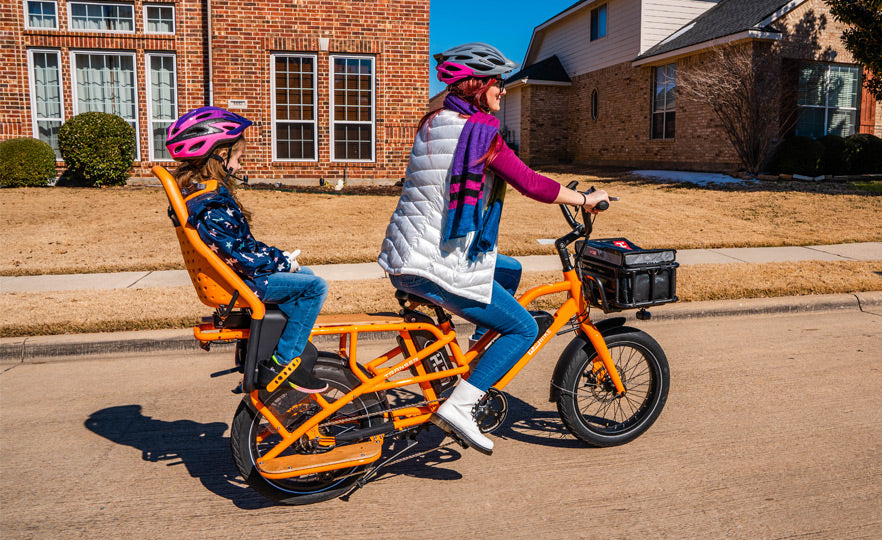
An eBike can be a thoughtful Mother's Day gift if it is something Mom wants. Ask what she would enjoy riding for and let her help choose. The gift should create an opportunity she values, rather than add another task to her day. Begin with her idea of a good rideShe may want time outdoors, a visit with a friend or a convenient local...
What to Look for in an Electric Mountain Bike: Start with the Terrain
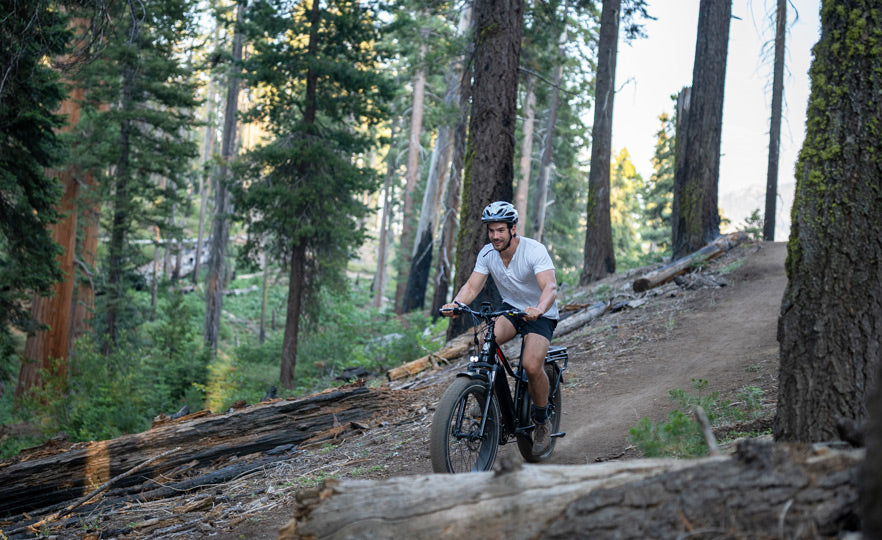
When choosing an electric mountain bike, start with the terrain you actually intend to ride. Then compare the bike's intended use, rider fit, brakes, suspension and weight. Motor numbers matter, but they cannot establish whether the complete bike suits a particular trail. Describe your route before comparing bikesSeparate maintained gravel paths from narrow, rocky or technical trails. Note the climbs, descents and surfaces you...
What Does an eBike Cost to Own? A Practical Budget Guide
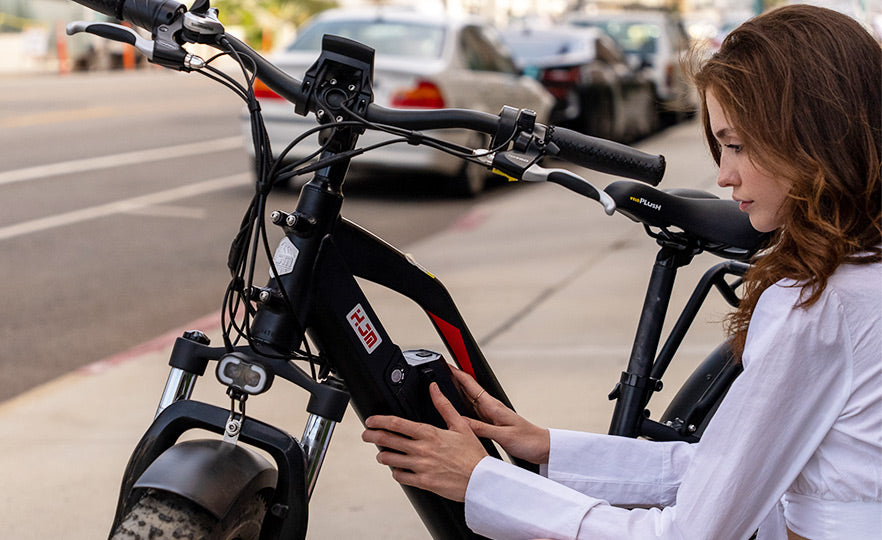
The cost of owning an eBike includes the purchase, charging, routine wear parts, service and any storage or security equipment you need. Battery replacement may become a later expense. Your budget depends on the exact bike, how often you ride and local prices, so a single annual figure will not fit every owner. Start with the complete purchaseRecord the selected bike price and any...
Choosing an eBike for Hunting Trips: Access, Load and the Return Journey
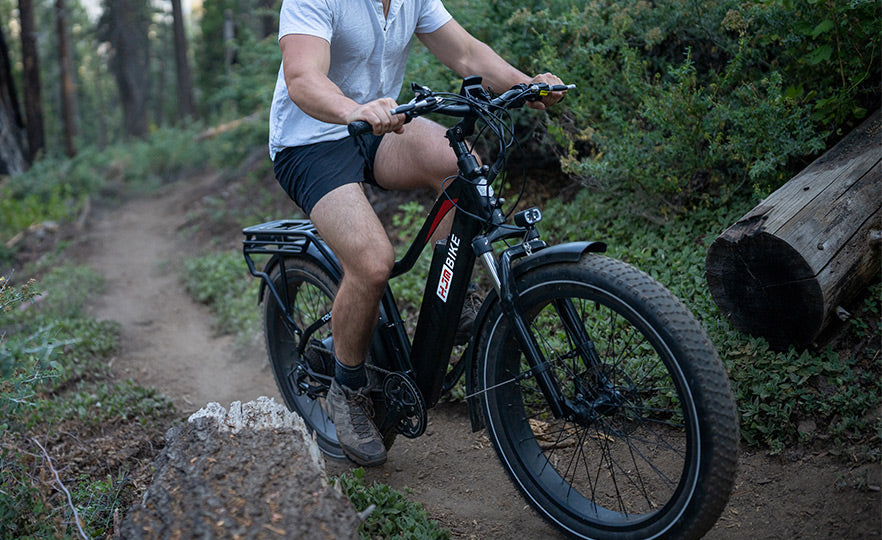
The right eBike for a hunting trip must first be permitted on the route you plan to use. Then assess the load, surfaces, bike handling and return journey. A powerful motor or camouflage finish does not establish access or make a bike suitable for every hunting area. Confirm access before comparing equipmentIdentify who manages the land and check the rules for the specific road,...
eBike basics: motors, batteries, range, and rider fit
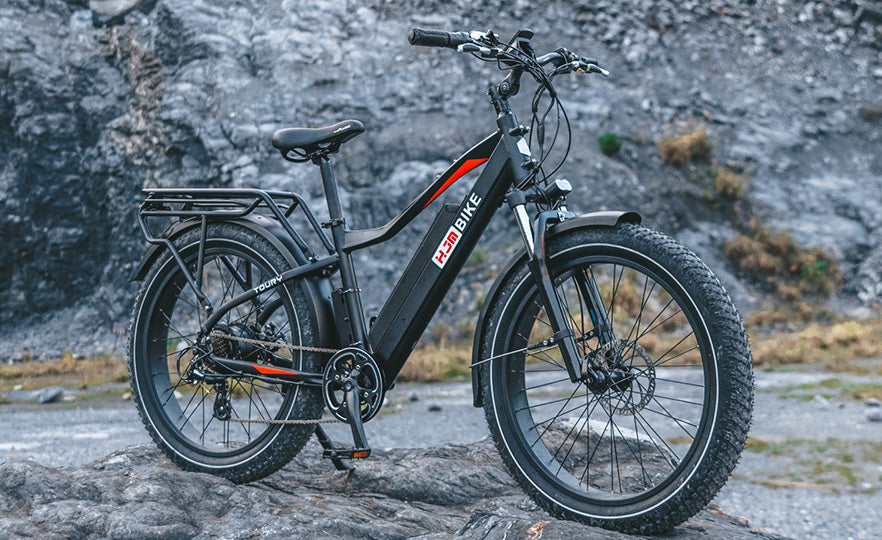
An electric bike, or eBike, combines a bicycle drivetrain with a battery-powered motor. Understanding its controls, dimensions, and carrying limits helps you choose a model that fits your everyday rides.
Fat Tire vs. Mountain eBikes: Why the Categories Can Overlap
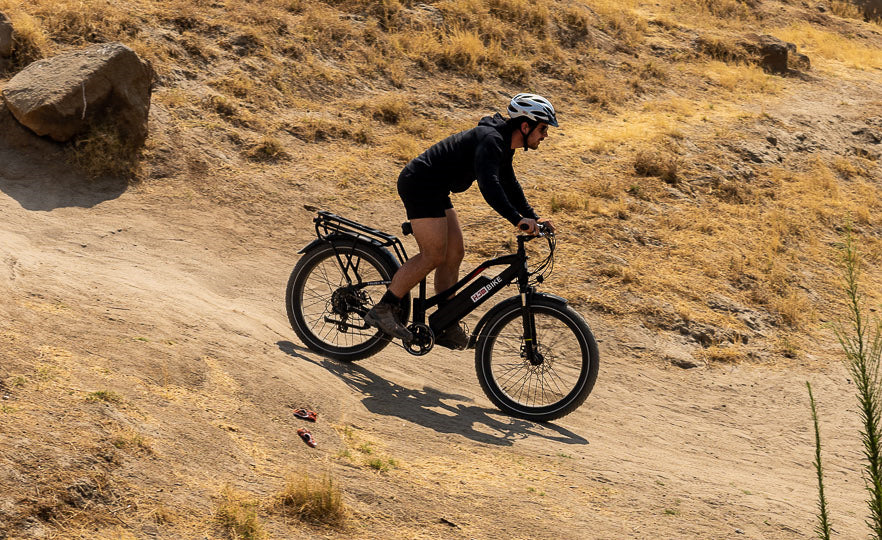
Fat tire and mountain eBike are not opposite categories. Fat tire describes the tire format; mountain eBike describes a bike intended for a type of off-road riding. A bike can combine wide tires with a mountain-oriented design, but tire width alone does not establish what terrain it is built to handle. What the labels tell youA fat tire label draws attention to wide, high-volume...
eBike Flat Tires: Common Causes and What to Do Next
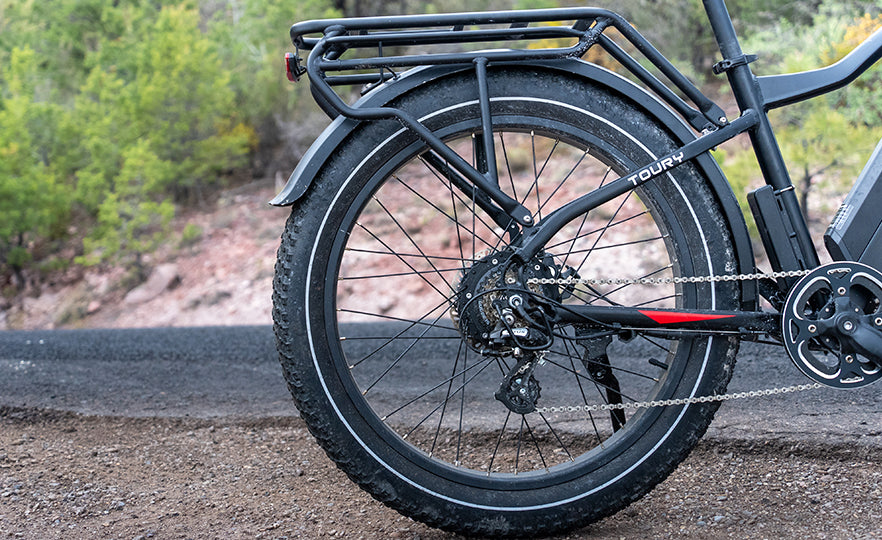
A flat eBike tire is a tire that has lost enough air that it should not be ridden. It does not automatically mean the rim or frame is damaged. Stop safely, inspect the wheel setup and identify the cause before inflating again or replacing a tube. Stop before a small problem becomes a larger oneIf handling changes or you notice sudden air loss, slow...
Fat Tire eBike Pros and Cons: Comfort, Routes and Everyday Use
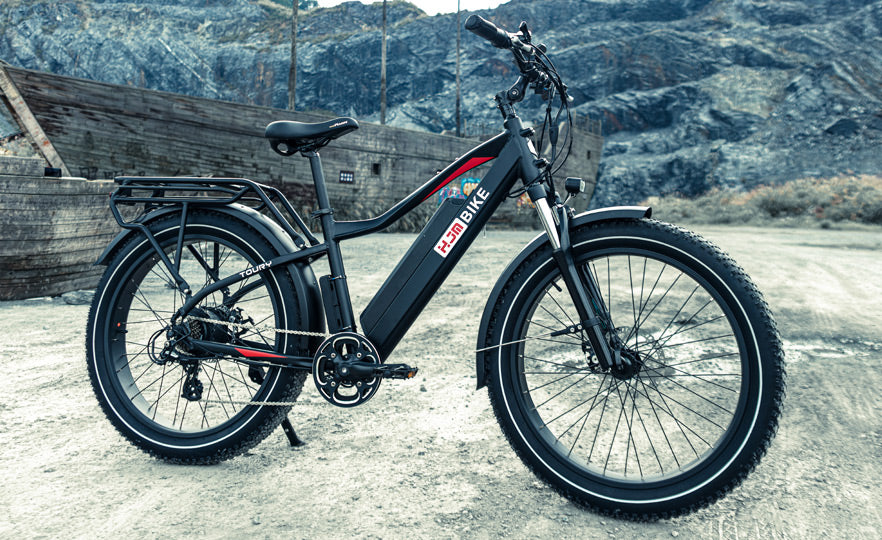
Fat tire eBikes can offer useful cushioning and options for mixed-surface riding, but they also require attention to tire setup, storage space and transport compatibility. The right choice depends on your actual routes and the complete bike. Wide tires do not make every surface rideable or remove the need for balance and control. Potential benefit: cushioningA high-volume tire can deform around small surface irregularities...
Get to Know Your eBike: Display, Pedal Assist, Throttle and Brakes
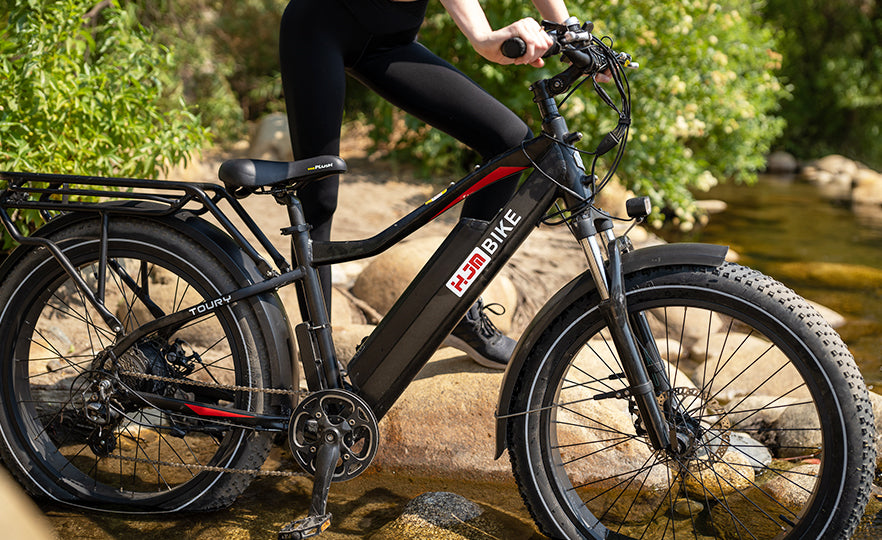
Before your first eBike ride, identify the display, pedal-assist controls, brake levers, gear shifter and any throttle fitted to your model. Learn their functions while the bike is stationary, then practise starting and stopping in a suitable open area using your model’s instructions. HJM eBikes can have different displays, sensors and controls. Similar-looking buttons do not necessarily operate in the same way. Start with...
5 Night-Riding Checks for Your eBike: Lights, Route and Battery
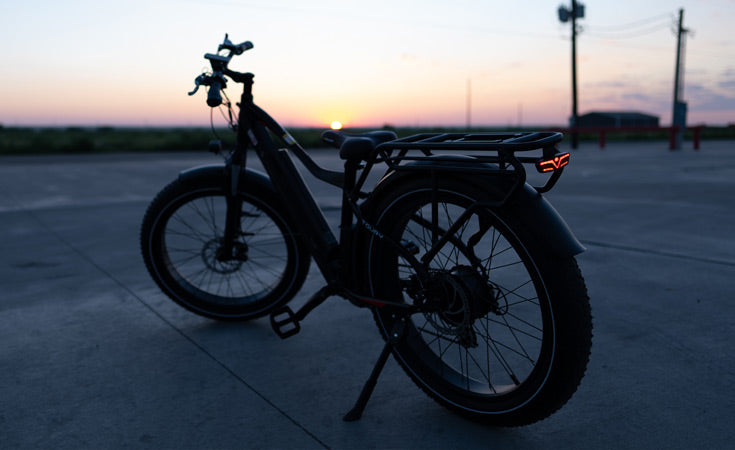
Before an eBike night ride, check both your ability to see the route and other road users' ability to see you. Confirm lighting, choose a suitable permitted route and leave a battery reserve. Equipment does not make every dark road or trail appropriate for riding. 1. Check front and rear lightingCheck that the lights work, are securely mounted and are not hidden by bags...
Traveling with an eBike: A Practical Checklist Before You Leave

Before traveling with an eBike, confirm how you will transport it, where you can ride and how you will store and charge it at the destination. Pack compatible essentials and a backup plan instead of assuming every carrier, trail or accommodation can accept your bike. Confirm transport arrangements firstGive the transport provider the bike and battery details it requests before booking. Ask about its...
6 eBike Riding Habits to Improve Before Your Next Trip
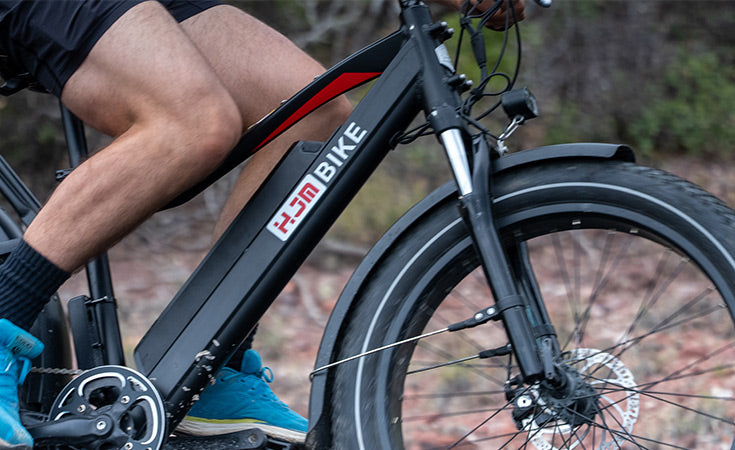
Useful eBike riding habits begin with knowing the controls and giving yourself time to respond. Before the next trip, review how you start, change assistance, shift, look ahead and react when the bike or your riding position does not feel right. 1. Learn the controls before entering trafficPractice starting, stopping and changing assistance in a clear, suitable area. Locate the brakes, display controls and...
eBike Rides with Kids: Separate Riding Skills from Passenger Readiness

Before an eBike outing with children, decide whether each child will ride a separate bike or travel as a passenger. These arrangements need different preparation. Riding ability, passenger readiness and equipment compatibility cannot be established by age or a bike's payload figure alone. When children ride their own bikesChoose a route suited to their braking, turning and awareness skills. Practice in a suitable clear...
eBike vs. Regular Bike: Assistance, Weight and Everyday Care
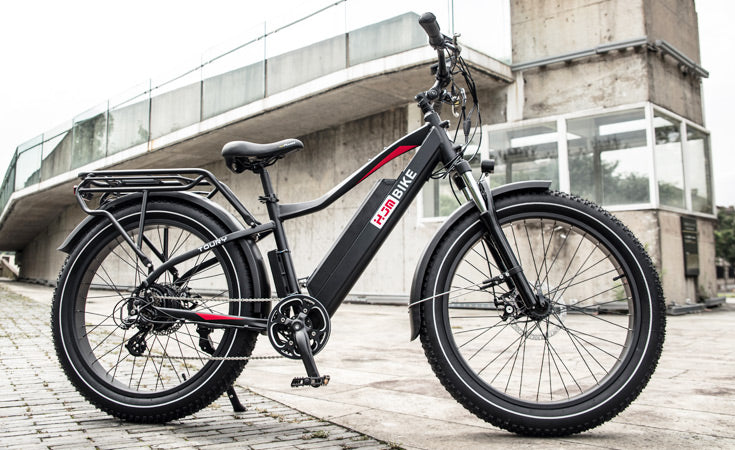
An eBike adds a motor, battery and control system to the familiar bicycle format. A regular bicycle relies on the rider's pedaling without motor assistance. The practical differences include how assistance feels, how you manage the bike off the road and the extra charging and electrical-care requirements. Assistance changes the ridePedal assist adds motor support while you pedal. Some eBikes also have a throttle;...
Riding an eBike in the Rain: Wet-Road Checks and Aftercare
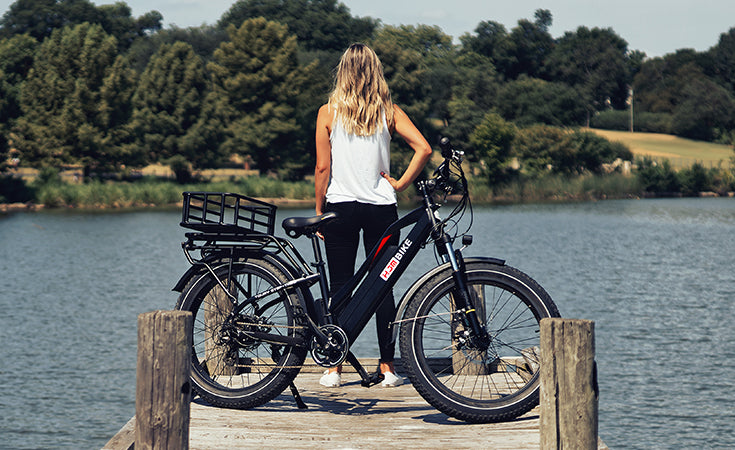
Before riding an eBike in rain, check the wet-weather limits in the exact model's instructions and decide whether the route conditions are suitable. Water-resistant does not mean waterproof or suitable for immersion. Wet surfaces, poor visibility and hidden road damage can be reasons to postpone a ride. Check the bike before leavingConfirm that brakes, tires and lights are in working condition. Secure the battery...
Fat Tire eBikes: 6 Common Misconceptions Explained
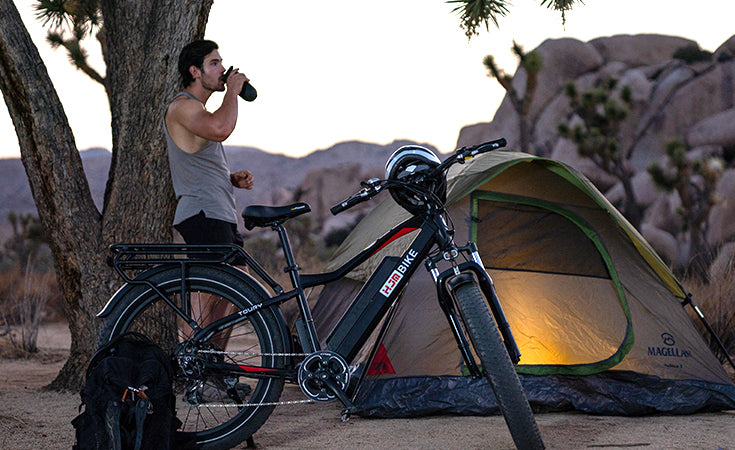
Fat tires can contribute to comfort and offer useful options for mixed surfaces, but tire width alone does not make an eBike puncture-proof, self-balancing or suitable for every route. These six distinctions help set realistic expectations. 1. “Fat tires cannot get flats”Fat tires can still be damaged by sharp objects, impacts or unsuitable setup. Puncture-resistant construction, where specified, is not a puncture-proof guarantee. Check...
eBikes for Women: More Choice in Everyday Riding

An eBike can add another option for everyday travel or leisure. For women considering one, the useful questions are individual: where do you want to ride, what feels comfortable and what support will make ownership practical? No single frame style or riding goal suits every woman. Choose for the rider, not a labelA product's gender label does not establish fit. Compare getting on and...
eBike Frame Clearance: Clothing, Cargo and Getting On and Off
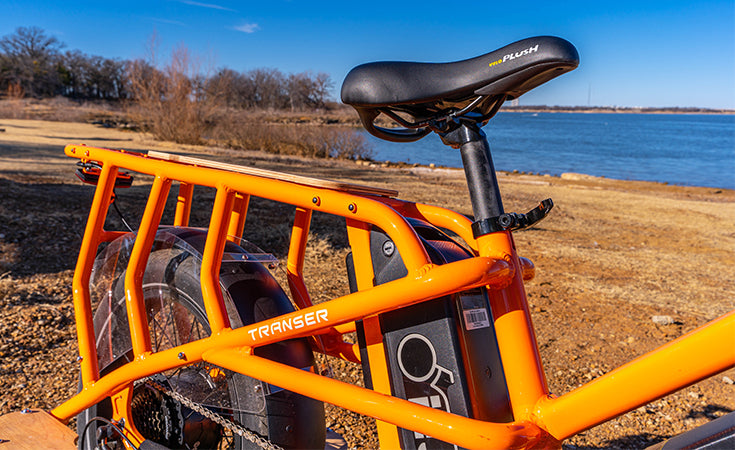
When checking eBike frame clearance, consider the bike as you will actually use it: with your usual clothes, shoes, bags and baskets. An entry that feels open on a bare bike may feel different once rear cargo is fitted. Check access and parking as well as seated riding fit. Start with your everyday clothingWear the trousers, outer layers and footwear you expect to ride...
How to Choose a Family Electric Trike: Fit, Everyday Loads and Storage
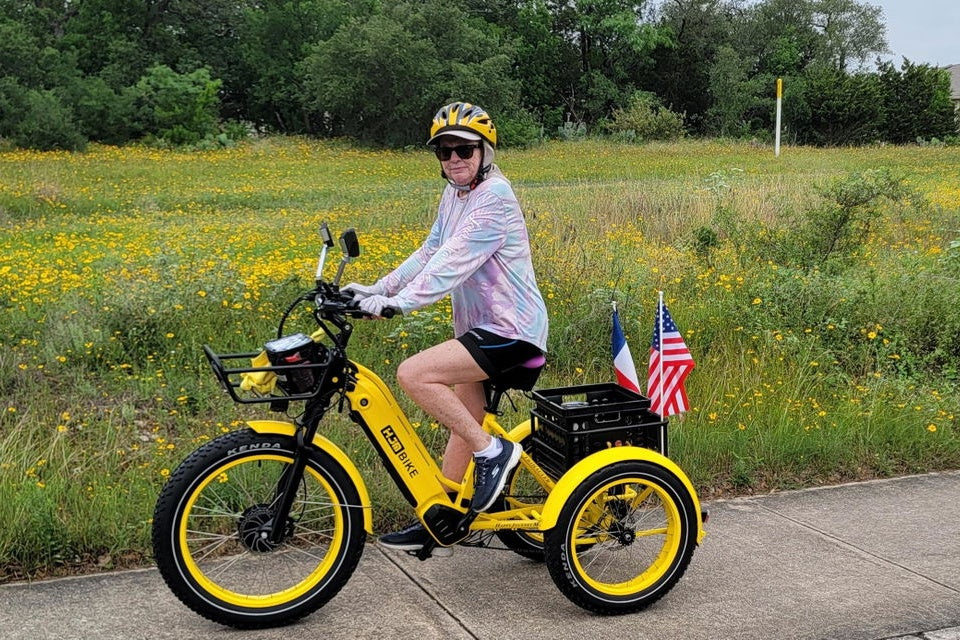
A family electric trike should suit the adults who will ride it, the household loads it will carry and the space available at home. Start with those practical needs before comparing motor power or advertised range. Here, “family use” means a trike used for household routines. It does not mean the trike is approved to carry additional passengers. Start with the intended riders Will...
Parking Your eBike Between Rides: A Simple Home Routine
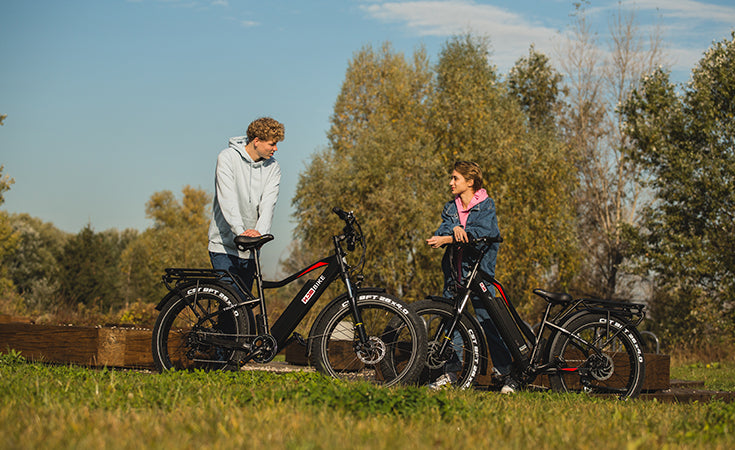
Between eBike rides, use a secure, dry parking place, check anything unusual from the last trip and prepare the bike before the next one. Keep the routine simple, but follow the model's instructions for battery handling, charging and storage conditions. Choose a parking space that works every dayAllow enough room to move the bike without pulling on cables or catching accessories. Keep the route...
Is an eBike Right for You? 5 Questions Before Buying
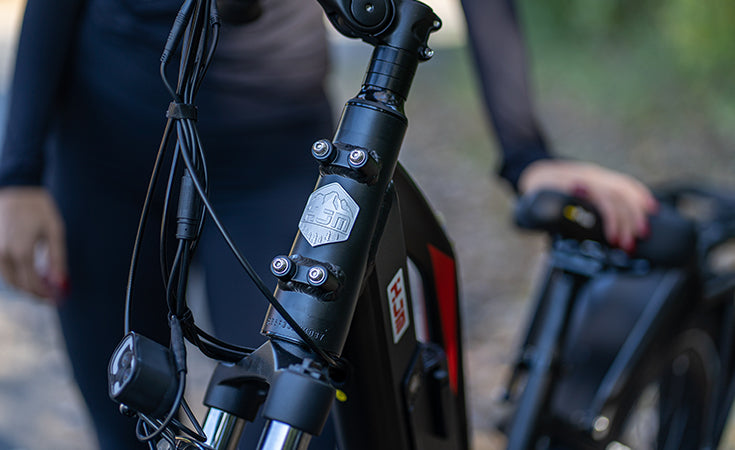
An eBike may be a useful choice when assistance makes the trips you want to take more practical. Before comparing models, check whether your routes, storage, handling needs and charging arrangements suit everyday ownership. 1. Which trips would you actually make?Start with two or three real journeys, such as visiting a nearby shop or riding to work. Check the route, parking and what you...
eBike Outings with a Pet: Check the Carrier, Fit and First Ride
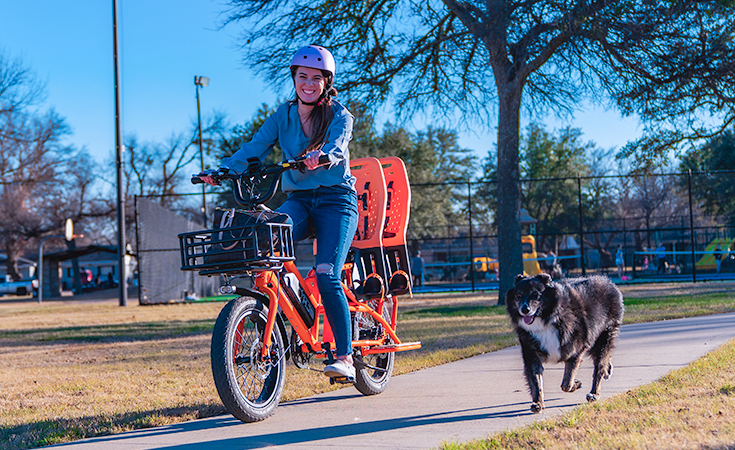
An eBike outing with a pet begins with a suitable pet carrier or trailer, confirmed bike compatibility and a pet comfortable with the arrangement. An ordinary cargo basket and a high payload rating do not establish that a setup is suitable for an animal. Check the equipment before choosing the routeUse equipment intended for pet transport and follow its instructions for occupant size, weight,...
6 Valentine's Day Ideas for Couples Who Ride eBikes

A Valentine's Day eBike outing can be simple: a route you both enjoy, time for a stop and no pressure to ride farther than either person wants. Choose an idea that suits your weather, experience and bikes, with a flexible alternative if riding is not practical. 1. Take a short ride togetherChoose a familiar route with an easy return. Agree on a comfortable pace...
Can You Ride an eBike with Knee Pain? Fit and Effort Matter
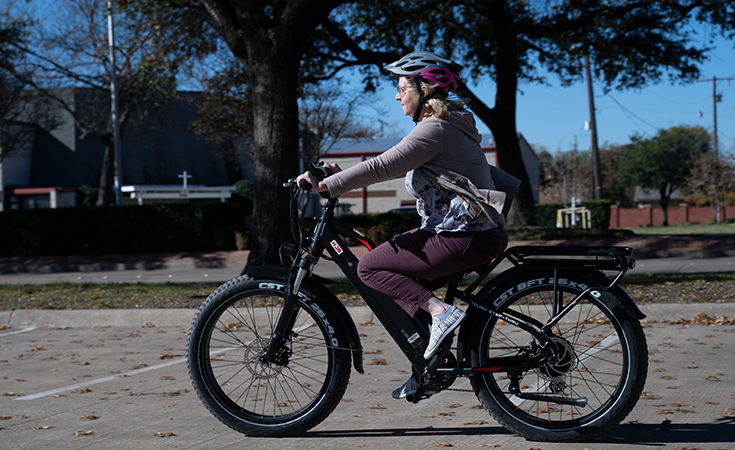
An eBike may make pedaling more manageable for some people with knee pain, but it is not automatically suitable for every knee condition. Fit, gearing, riding duration and the cause of the pain all matter. If you have an injury, arthritis or persistent symptoms, discuss your riding plan with a clinician or physical therapist.Why might pedal assistance help?Arthritis Society Canada identifies cycling as a...
U.S. eBike and Electric Trike Rules: What to Check Before Riding
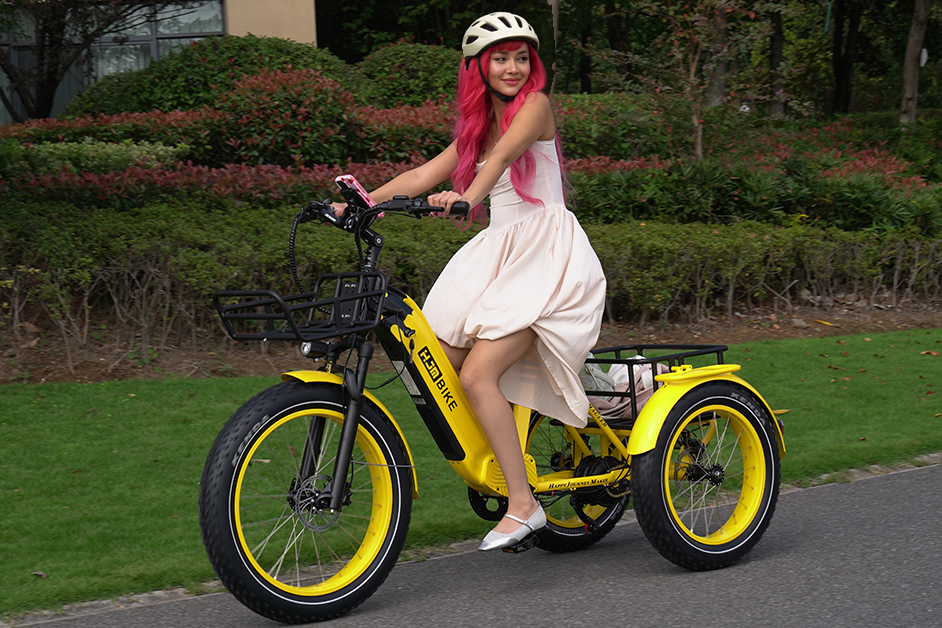
There is no single U.S. riding rule that covers every eBike, electric trike and route. Your vehicle's specifications, state law, local rules and the authority managing a trail can all affect where you may ride. Check the actual configuration you own before treating an electric bike or trike as a particular legal class.Product standards and riding permission are differentFederal law defines a low-speed electric...
How to Choose an eBike: Match Your Routes, Fit and Daily Routine
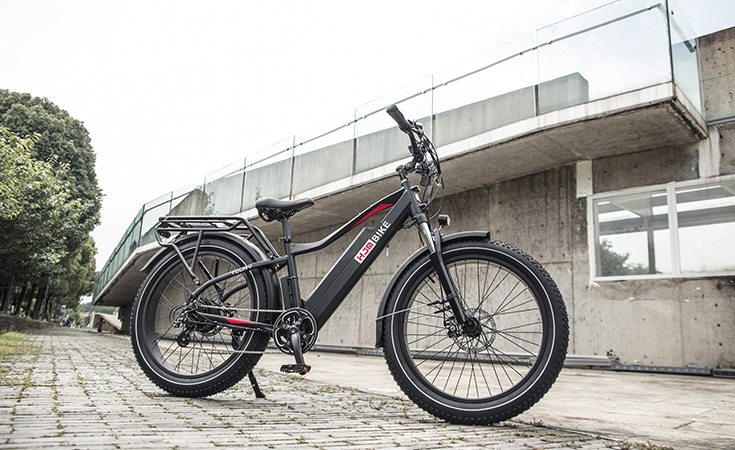
Choose an eBike by defining the rides you will make most often, checking fit and deciding how you will store, charge and transport it. Then compare the configurations that meet those needs. The most useful bike is not necessarily the one with the largest power number or the longest advertised range. 1. Describe an ordinary rideWrite down the distance, hills, surface and stops on...
Car, Bicycle, eBike or eScooter: Which Fits Your Commute?

The best commuting option is the one that fits your actual journey, including the route, parking, storage and what you carry. An eBike may make a hilly trip more manageable, while a car, conventional bicycle or eScooter may suit a different day. Compare the whole door-to-door journey rather than top speed alone.Start with your routeList the distance, hills, traffic conditions and places where you...
HJM Transer cargo eBike: everyday carrying and ownership checks
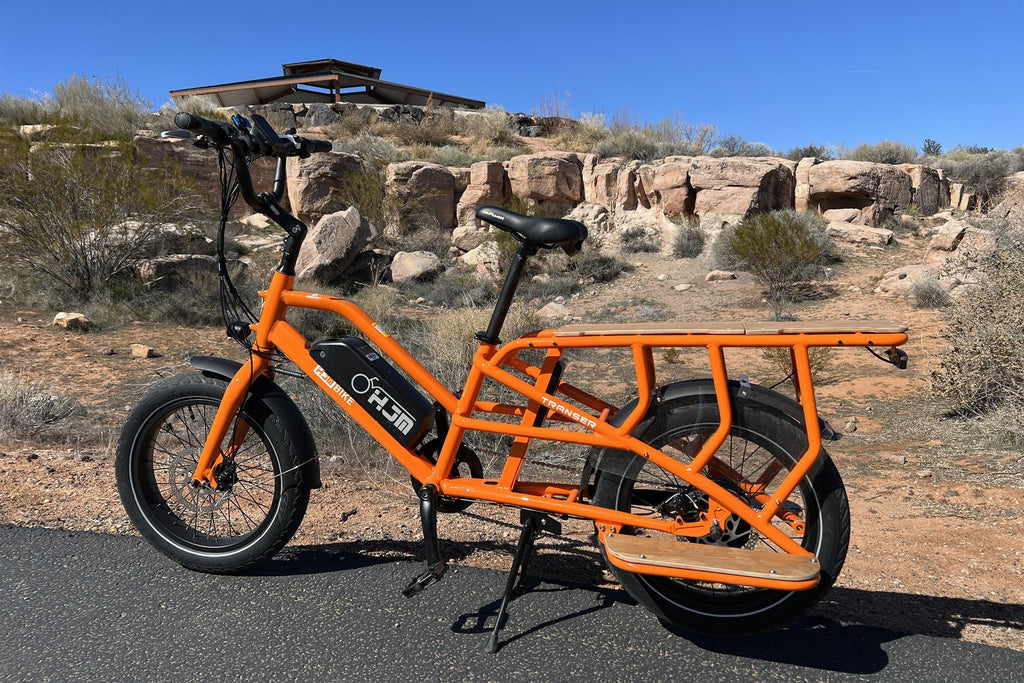
The HJM Transer is a longtail cargo electric bike designed around an extended rear carrying area. This overview explains what to check when planning errands or maintaining an existing Transer.
4 eBike Specifications to Check Before You Buy
Before buying an eBike, check four specification areas on the exact configuration: motor output, battery capacity, load and fit limits, and the equipment included. Compare like-for-like information and ask for clarification when a number lacks context. Specifications are most useful when they answer a real riding need. 1. Motor output: rated and peak are differentA headline power figure needs a label. Rated output and...
HJM Toury vs. Himiway Cruiser vs. RadRover: What to Compare
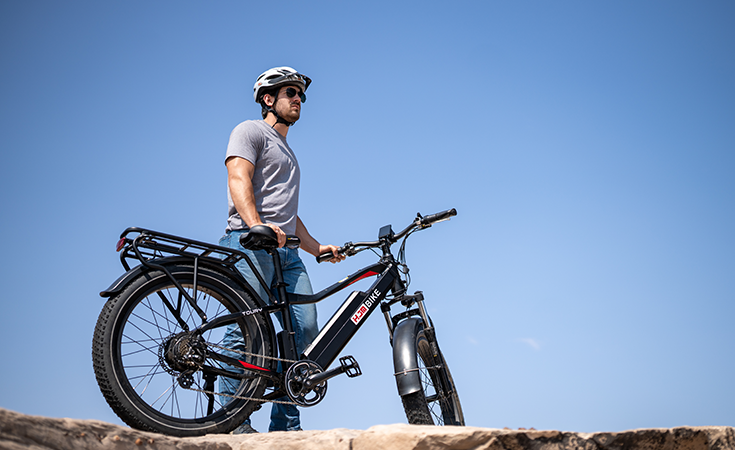
Toury, Himiway Cruiser and RadRover are names riders may encounter when comparing fat-tire electric bikes. A useful comparison starts with the exact version being sold, rather than an older specification chart or a shared model name.This guide explains what to check. It does not rank current competitor models using specifications or prices from the original 2021 comparison.Confirm the exact model and batteryCheck the model...
How to Choose an eBike Motor: Power, Torque and Drive Layout
Choose an eBike motor by comparing clearly labeled power, torque, drive layout and how assistance responds. The useful question is how the complete bike suits your route and load, rather than which listing shows the largest number. Separate rated power from peak powerPower is expressed in watts. Rated or nominal figures and peak figures describe different operating claims, so compare like with like. Ask...
eBike Classes 1, 2 and 3: Assistance Limits and Access Checks
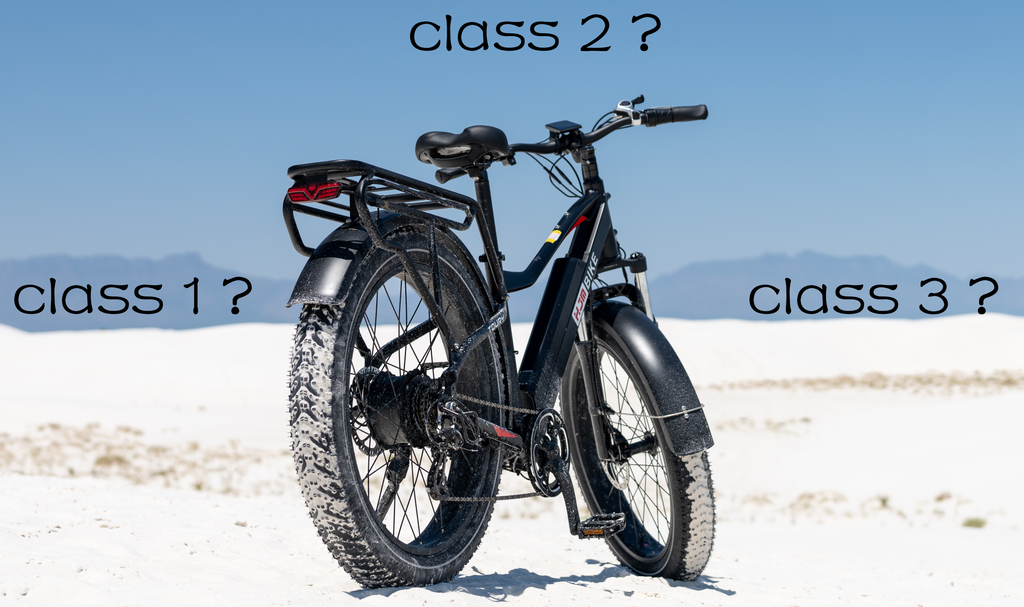
eBike classes describe how motor assistance operates and when it stops. They do not, by themselves, tell you where a particular bike may be ridden. Check the exact bike's specification, the applicable jurisdiction and the rules for the route you intend to use. Understand the common three-class distinctionThe following summarizes the assistance distinctions published in the National Park Service's eBike guidance. It is a...
eBike Charger Safety: Compatibility, Labels and Warning Signs
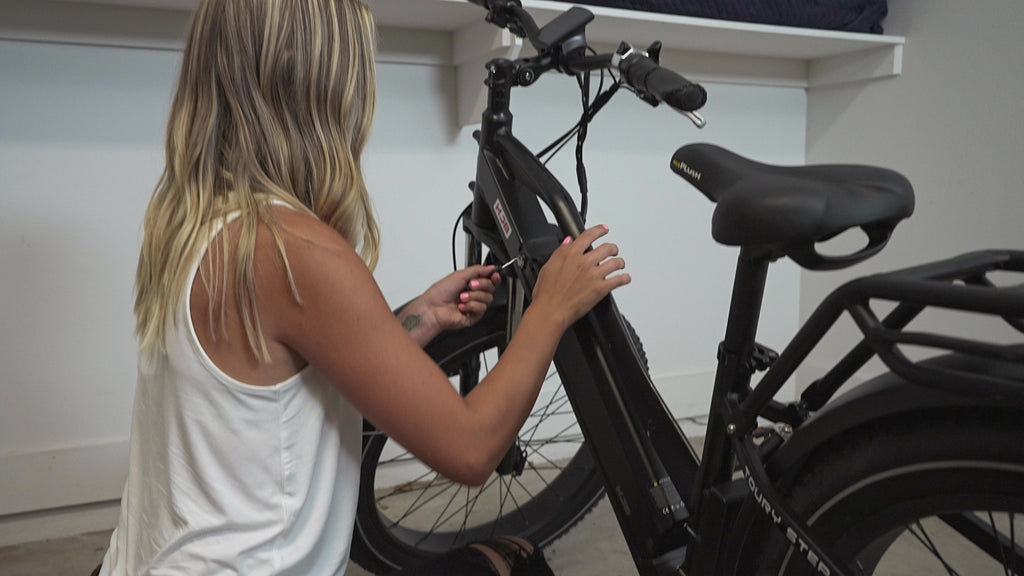
Use the charger supplied for your eBike battery or a replacement that HJM has specifically approved for that battery. A matching plug or similar appearance does not establish compatibility. Before charging, check the equipment’s condition and follow the instructions for the exact battery-and-charger combination. Start with the correct battery and charger pairing An eBike charger must be suitable for the actual battery, not simply...
4 Everyday Trips an eBike Can Make More Practical
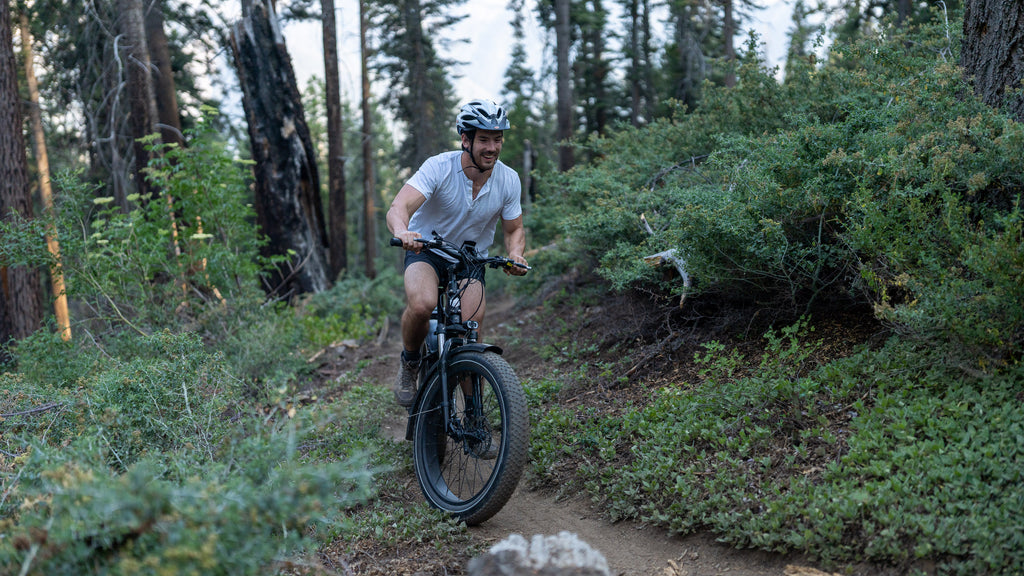
An eBike can make some local journeys more practical by adding assistance to pedaling. The benefit depends on the trip: where you can ride, where you can park and what you need to carry. These four examples are a useful place to start. 1. A small shopping tripA nearby shop can be a practical destination when the route and parking work for a bicycle....
Summer eBike Riding: 3 Ways to Plan for the Heat
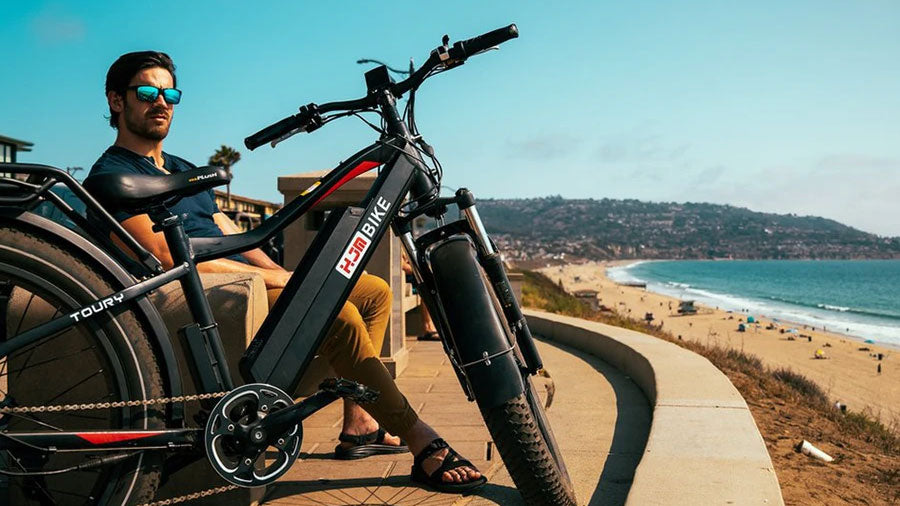
Summer eBike riding is easier to plan when you consider heat as well as distance. Motor assistance may reduce pedaling effort, but it does not prevent heat-related illness. Choose conditions you can manage, carry water and keep an easy way to shorten the ride.1. Choose cooler conditions and an easier routeCheck the local forecast and heat alerts before leaving. The CDC recommends avoiding outdoor...
6 Everyday eBike Battery Care Checks
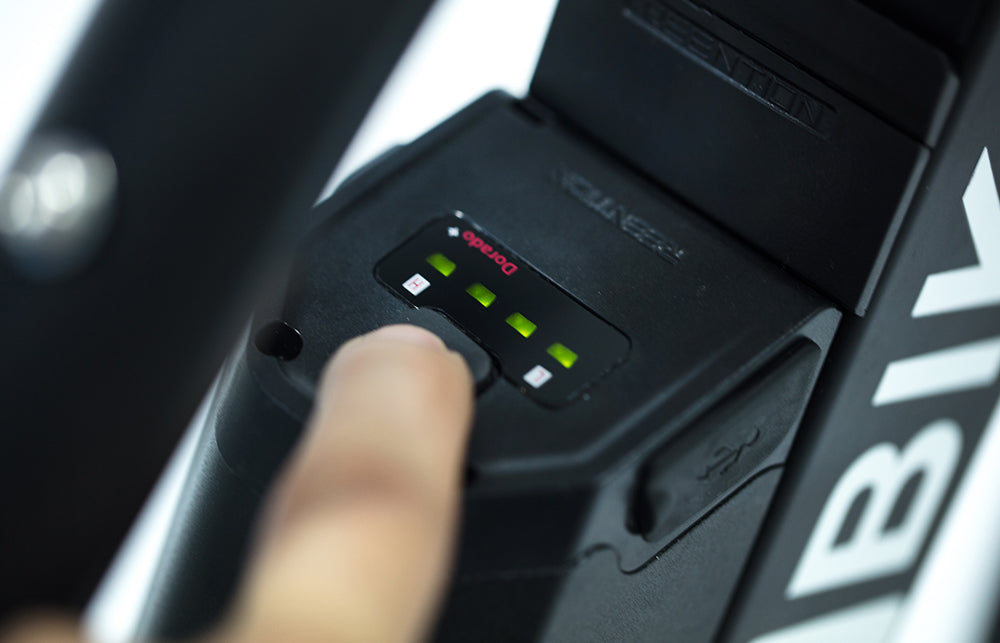
Use this quick checklist to keep battery care manageable. It complements your owner's manual and does not replace the instructions for your battery. 1. Check the outer casingLook for cracks, dents, swelling or leaks before use. Stop using a damaged or abnormal battery and seek guidance. 2. Confirm secure mountingFollow the installation instructions and check the battery is seated and secured. Do not ride...
HJM eBike Safety Features: What to Check Before You Ride
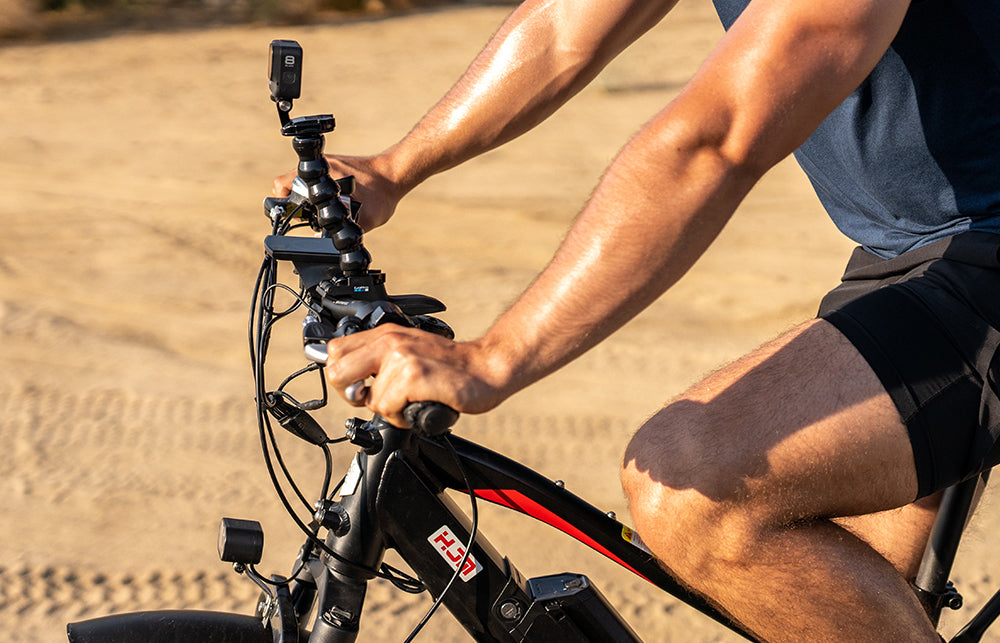
Useful safety features begin with equipment that matches the bike and a rider who knows how to use it. HJM models have different specifications, so check your own product information and supplied instructions instead of assuming every eBike has the same components.Know your braking systemIdentify the brake brand, type and model fitted to your bike. Mechanical and hydraulic systems have different service requirements. Before...
eBike Comfort Setup: Saddle, Handlebar Reach and Control Position
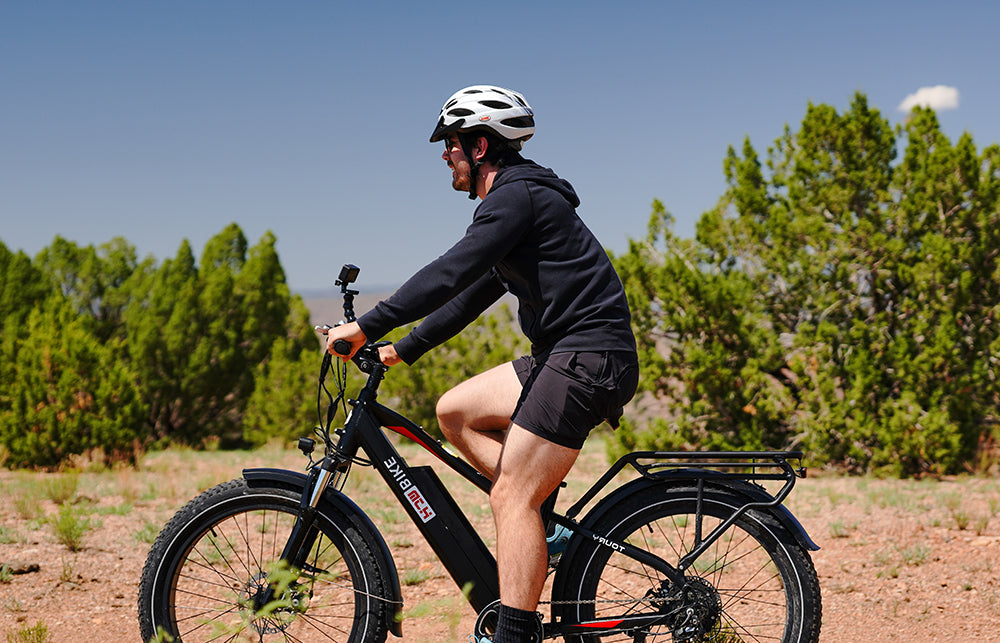
To improve eBike comfort, review three contact areas: saddle support, handlebar reach and the position of your hands at the controls. Start with a bike that fits, identify the parts that are designed to adjust and follow their instructions. Changing one contact point can affect the others. 1. Review saddle supportCheck whether the saddle supports you without making you slide forward or shift constantly....
How to Check eBike Saddle Height: Fit, Pedaling and Stopping
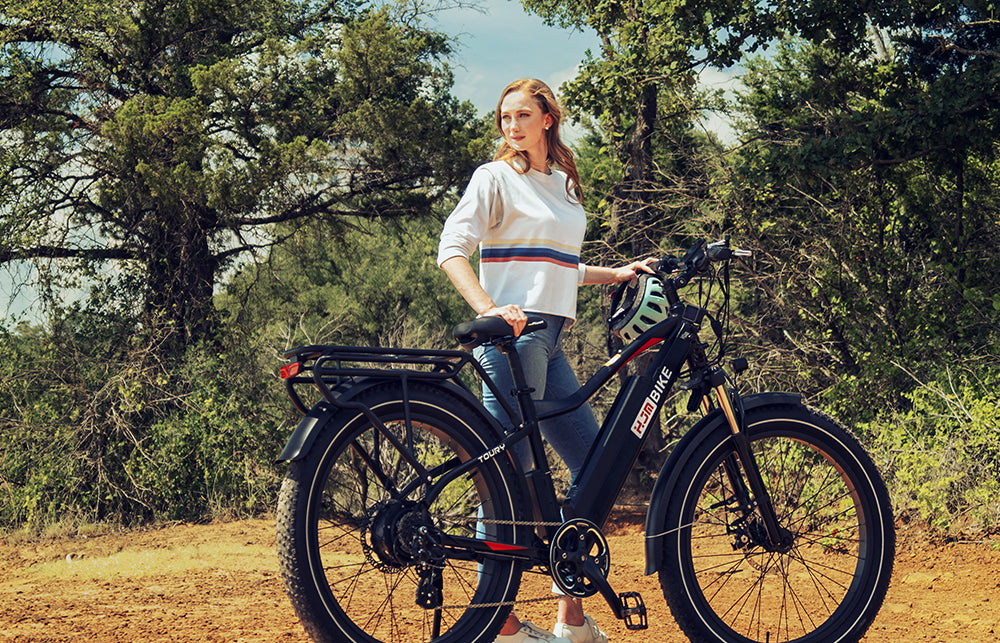
The right eBike saddle height lets you pedal without excessive reaching or a cramped position, while supporting the way you safely start and stop. A rider-height recommendation or fitting formula is only a starting point. Check the actual bike, your leg movement and the permitted adjustment range. Separate rider height from saddle heightA product's recommended rider height helps narrow your choices. It does not...
eBike Tire Care: Pressure, Wear and Replacement Checks
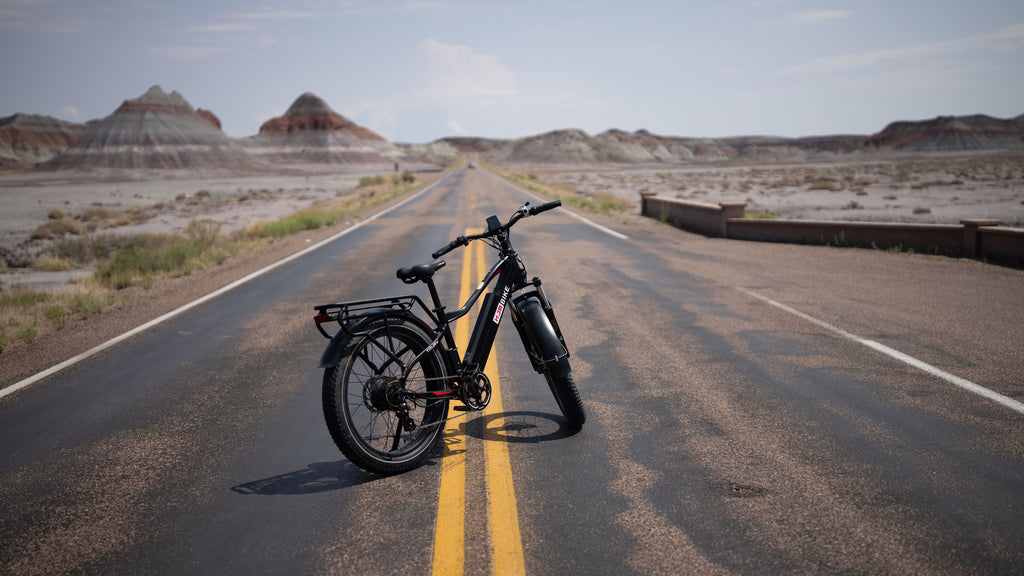
Good eBike tire care starts with the correct pressure, a quick damage check and the right replacement specification. Fat tires still need regular attention. Do not assume that a tire is properly inflated because it looks full, or that matching the printed diameter alone makes a replacement suitable.Use a gauge and follow the applicable limitsCheck pressure before riding, especially after storage or a noticeable...
eBike Saddle Care: Cleaning, Inspection and Replacement
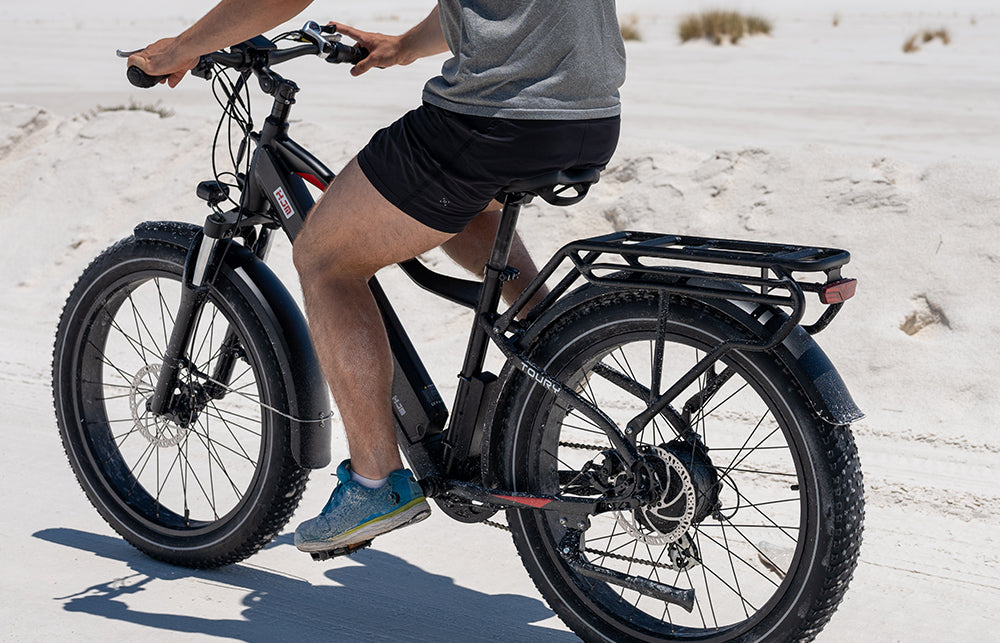
Care for an eBike saddle by cleaning it according to its material, checking for damage or unwanted movement, and replacing it when necessary. Do not assume every black saddle is leather or that one treatment is suitable for every cover. Identify the material before treating itCheck the saddle's care instructions or ask the supplier if the cover material is unclear. A product intended for...
eBike Disc Brake Care: Pads, Rotors and When to Get Service
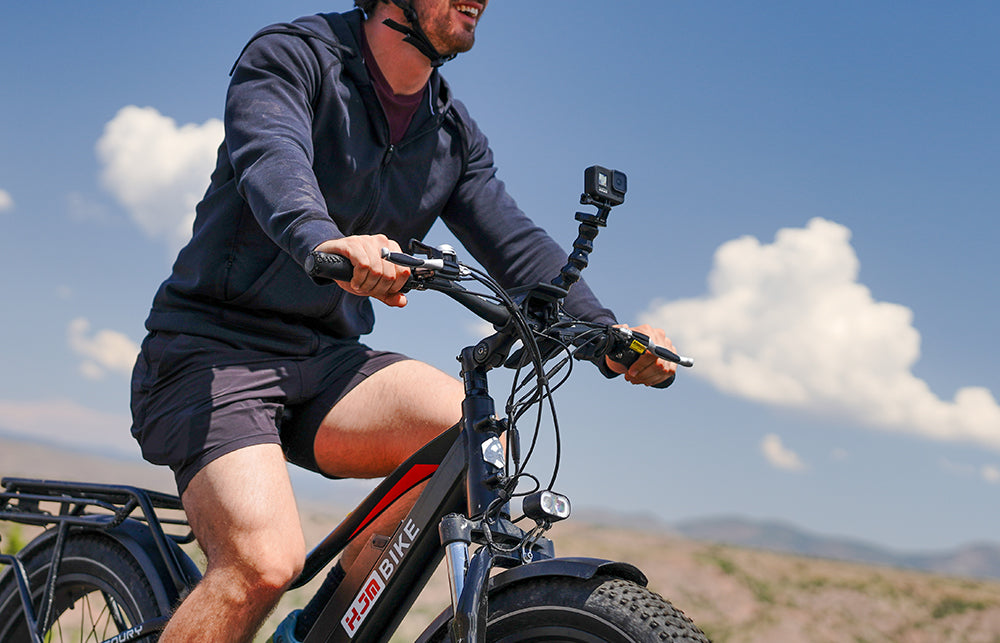
eBike disc brake maintenance starts with identifying the brake system fitted to your bike. Check operation, protect pads and rotors from contamination, and follow the exact manufacturer’s inspection and wear limits. HJM configurations can differ. Do not apply one brake pad, rotor specification or adjustment procedure to every eBike. Identify the brake system first Mechanical disc brakes use a cable to operate the caliper....
eBike Battery Charging Myths: First Charges, Deep Discharge and Chargers
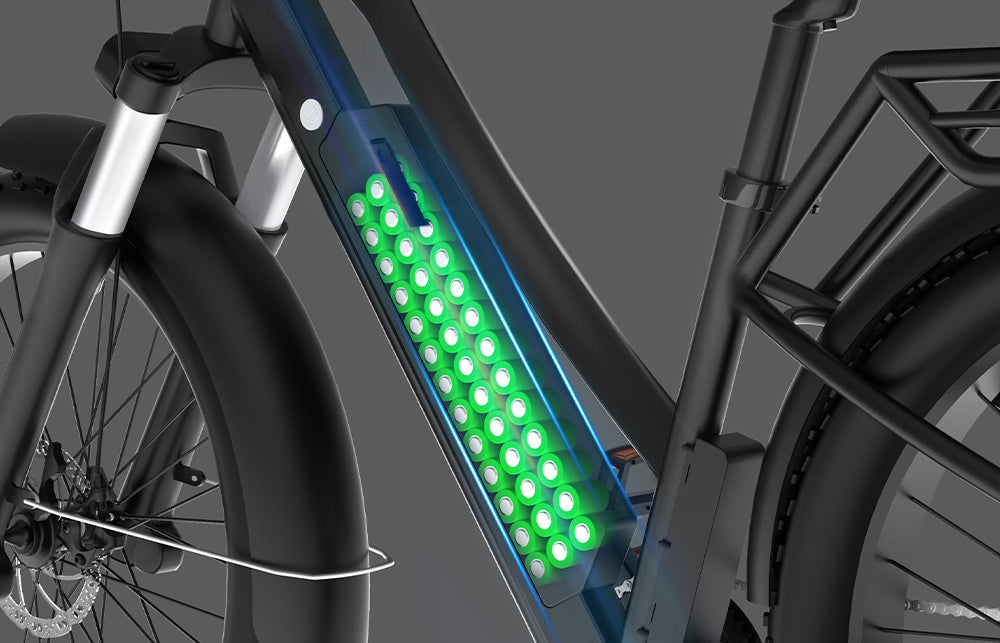
Older battery advice can conflict with the instructions for a modern eBike battery. Here are four claims that should not become universal charging rules. Does every first charge need 12 hours?No. Follow the charging instructions and indicator for the supplied battery and charger. Do not extend a completed charge to reach an arbitrary time. The published Toury manual describes normal charging time and an...


