

How to Clean an Electric Trike: A Step-by-Step TriHauler Guide
To clean an electric trike, remove loose dirt gently, wipe suitable surfaces with a damp cloth, and keep water and cleaning products away from electrical connections and braking surfaces. Finish by drying and inspecting the trike before reconnecting equipment or riding.

Follow the instructions for your exact TriHauler model, battery and components. Water resistance does not mean the complete trike can be pressure washed or sprayed without restriction.
Step 1: Prepare the trike and cleaning supplies
Park on level ground and secure the trike using the procedure in its manual. Switch the electrical system off and disconnect charging equipment.
Follow the model’s instructions for removing or protecting batteries, including any optional second-battery connections. Keep battery interfaces dry. Do not improvise covers for exposed connections or assume removing the battery makes the remaining system washable.
Remove loose cargo and removable bags. Have soft cloths, a soft brush and a mild cleaner approved for the surfaces you will clean.
Allow hot components to cool before working around them.
Step 2: Lift away loose dirt
Use a soft brush or cloth to remove accessible dust and loose debris. Avoid grinding grit into paint, decals or other finished surfaces.
Work gently around wiring and connections. Do not pull on cables to reach behind them.
For stubborn dirt, follow the relevant surface or component instructions rather than switching to an aggressive cleaner, abrasive tool or high-pressure spray.
Step 3: Wipe the frame, baskets and fenders
Use a damp cloth on suitable exterior surfaces. Apply only as much moisture as needed, and avoid flooding openings or pushing wet dirt into joints and connections.
On a trike, check beneath the rear basket and around its supports. These areas can be missed when cleaning only from the side.
Wipe the accessible fender surfaces gently. Do not use fenders, baskets or electrical parts as lifting handles.
| Area | Practical cleaning approach | What to avoid |
| Frame and painted surfaces | Gently remove grit, then wipe with a suitable damp cloth. | Abrasives, harsh cleaners and scrubbing decals. |
| Baskets and supports | Remove loose items and wipe accessible surfaces, including underneath. | Forcing dirt into joints or pulling on nearby wiring. |
| Fenders | Wipe accessible surfaces without bending them. | Using them to lift or support the trike. |
| Tires and wheel exteriors | Remove visible debris and inspect as you clean. | Powering a wheel with the motor during cleaning. |
| Motors, bearings and electrical interfaces | Follow the matching component instructions for exterior care. | Spraying, soaking or pressure washing. |
| Brake pads and rotors | Follow the brake manufacturer’s cleaning instructions. | Oily products, polish and chain lubricant. |
Step 4: Check around all three wheels
Inspect the front wheel and both rear wheels. Look for trapped debris, tire damage and anything rubbing against a tire or wheel.
Keep your hands clear of chains, brakes and other moving parts. Do not use motor power to spin a wheel while cleaning.
TriHauler motor arrangements differ by configuration. Clean only the accessible exterior surfaces described in the matching instructions, without opening motor housings or electrical components.
Do not spray motors, bearings, connectors or battery mounts. Never pressure wash the trike.
Step 5: Keep brake and chain care separate
Keep household polish, oily sprays and drivetrain lubricant away from brake pads and rotors.
Chain care should follow the instructions for the fitted drivetrain. Apply the correct product only where directed and wipe away excess.
If you suspect brake contamination or notice a change in braking performance, leave the trike parked and arrange appropriate service. Do not try to mask the problem with another cleaning product.
Use the separate electric trike brake-care guide for routine brake checks.
Step 6: Dry and inspect before reconnecting
Dry the trike carefully, paying particular attention to areas around battery interfaces and other electrical equipment.
There is no universal drying time. Conditions, the amount of moisture and the location of any water all matter. If moisture has entered an electrical area, ask HJM for guidance before reconnecting or using the trike.
As you finish, look for damaged wiring, loose-looking parts, tire damage or anything unusual revealed by cleaning.
Refit removable equipment according to the manual. Confirm batteries are securely seated and that cables and straps stay clear of moving parts.
What should you check before the next ride?
Complete the normal pre-ride checks for your model. Confirm normal brake operation, inspect all three tires and check that removed bags or accessories have been secured correctly.
If something looks damaged or behaves differently, resolve it before riding.
A regular wipe-down is useful because it combines cleaning with a closer look at your trike. It does not replace scheduled servicing or the maintenance instructions supplied with the product.
Explore Electric Trikes
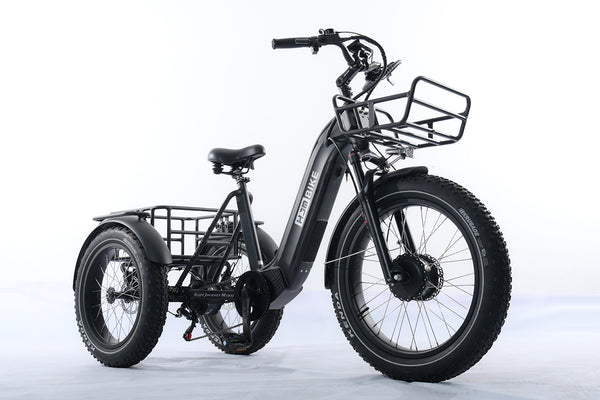
TriHauler Terra T5
Reverse + Cruise
Explore Electric Trikes →Compare TriHauler Models →


