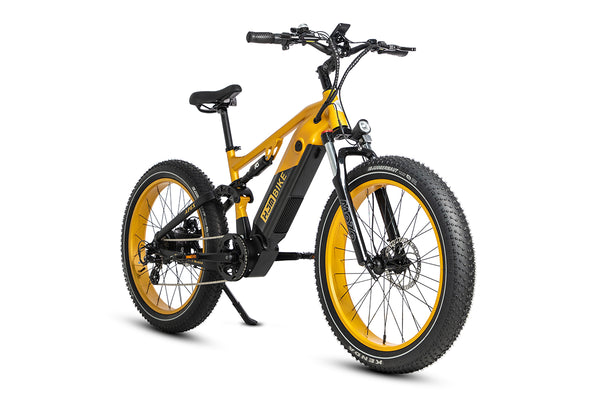
Riding an eBike in the Rain: Wet-Road Checks and Aftercare
Before riding an eBike in rain, check the wet-weather limits in the exact model's instructions and decide whether the route conditions are suitable. Water-resistant does not mean waterproof or suitable for immersion. Wet surfaces, poor visibility and hidden road damage can be reasons to postpone a ride.
Check the bike before leaving
Confirm that brakes, tires and lights are in working condition. Secure the battery and close protective covers as the manual directs. If a cover, cable or electrical connection is damaged, resolve it before exposing the bike to rain.
Fenders can reduce spray, but they do not seal electrical components or keep the whole bike dry. Do not add an unapproved chaincase, wrap or cover that could interfere with cooling, steering or moving parts.
Allow room for slower, smoother riding
Reduce speed before turns and leave more stopping space. Painted lines, metal covers, wet leaves and loose debris can be slippery. Avoid abrupt braking or acceleration, and do not assume fat tires remove the risk of losing grip.
Do not ride into standing water when you cannot see its depth or the surface underneath. Flooding, lightning, strong winds or visibility too poor to judge the road are reasons to stop and find shelter or another way home.
Keep clothing and lighting practical
Choose rain clothing that allows clear vision and access to the controls. Keep loose hems, straps and ponchos clear of the wheels and drivetrain. Ensure lights are visible around bags and use suitable reflective equipment.
Keep tire pressure within the approved guidance
Do not automatically reduce pressure by a fixed amount because it is raining. Use a gauge and follow the limits and recommendations for the actual tire, rim, load and model. If wet-weather setup advice is unclear, ask before experimenting.
Inspect and dry after the ride
Switch off the bike and follow its cleaning instructions. Gently remove surface dirt and moisture; avoid pressure washing or directing water into electrical parts. Check the brakes, drivetrain, covers and visible cables before the next ride.
Before charging, ensure the charging connection is dry and follow the battery and charger instructions. If you suspect water has entered electrical equipment, do not charge or operate it until it has been assessed.
Does water-resistant mean unlimited rain exposure?
No. The term has limits that depend on the actual equipment. Do not infer an IP rating, immersion depth or rain-duration allowance from the phrase alone. See HJM manuals or ask Support about your setup.