


-
What to Look for in an Electric Mountain Bike: Start with the Terrain
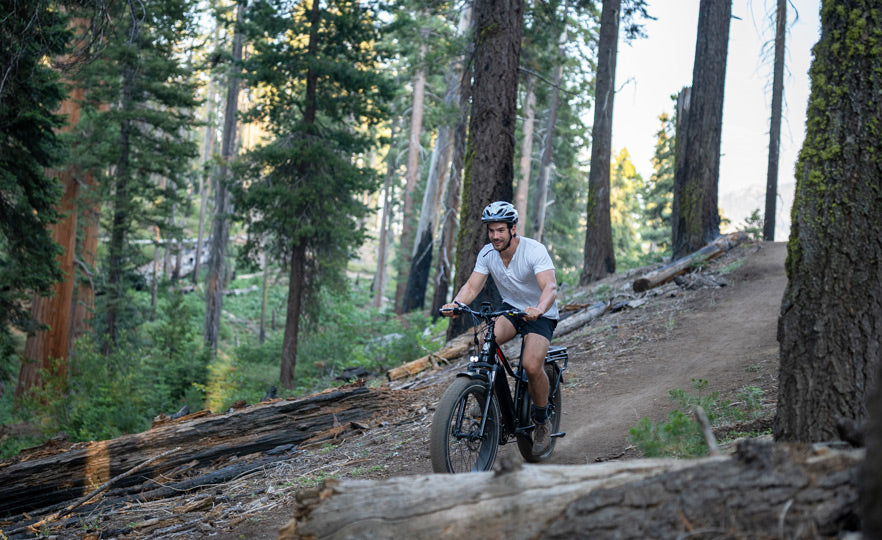 When choosing an electric mountain bike, start with the terrain you actually intend to ride. Then compare the bike's intended use, rider fit, brakes, suspension and weight. Motor numbers matter, but they cannot establish whether the complete bike suits a particular trail. Describe your route before comparing bikesSeparate maintained gravel paths from narrow, rocky or technical trails. Note the climbs, descents and surfaces you...
-
What Does an eBike Cost to Own? A Practical Budget Guide
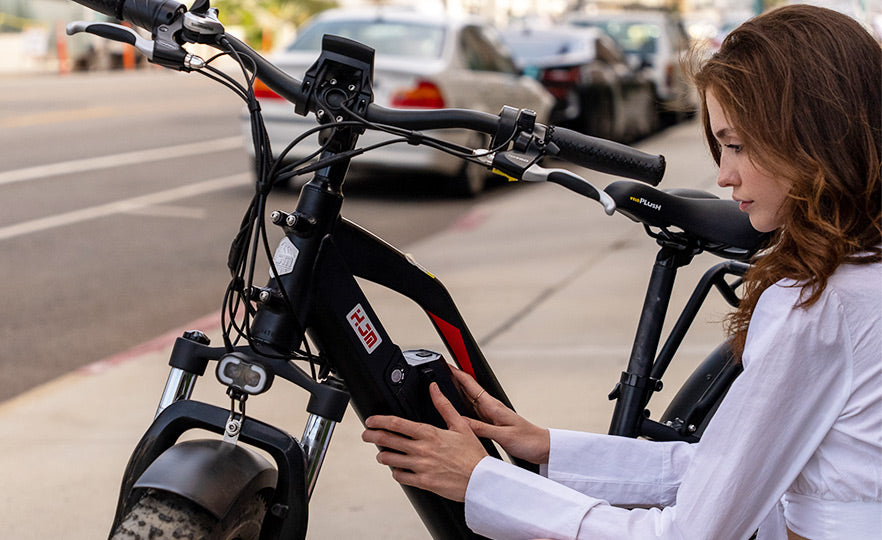 The cost of owning an eBike includes the purchase, charging, routine wear parts, service and any storage or security equipment you need. Battery replacement may become a later expense. Your budget depends on the exact bike, how often you ride and local prices, so a single annual figure will not fit every owner. Start with the complete purchaseRecord the selected bike price and any...
-
Choosing an eBike for Hunting Trips: Access, Load and the Return Journey
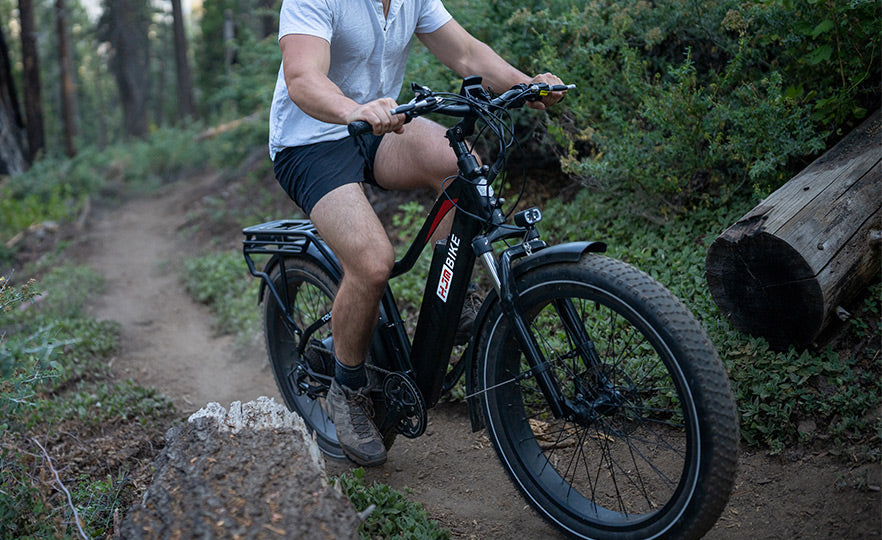 The right eBike for a hunting trip must first be permitted on the route you plan to use. Then assess the load, surfaces, bike handling and return journey. A powerful motor or camouflage finish does not establish access or make a bike suitable for every hunting area. Confirm access before comparing equipmentIdentify who manages the land and check the rules for the specific road,...
-
eBike basics: motors, batteries, range, and rider fit
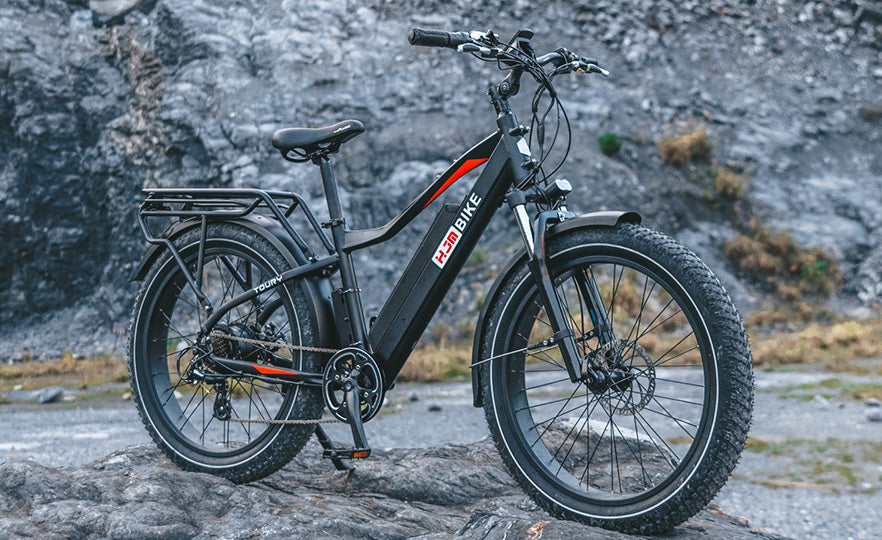 An electric bike, or eBike, combines a bicycle drivetrain with a battery-powered motor. Understanding its controls, dimensions, and carrying limits helps you choose a model that fits your everyday rides.
-
Fat Tire vs. Mountain eBikes: Why the Categories Can Overlap
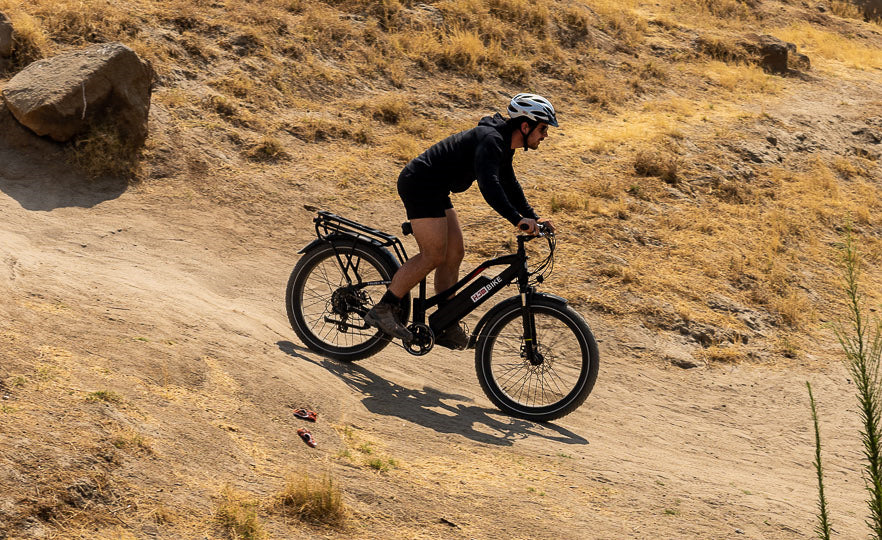 Fat tire and mountain eBike are not opposite categories. Fat tire describes the tire format; mountain eBike describes a bike intended for a type of off-road riding. A bike can combine wide tires with a mountain-oriented design, but tire width alone does not establish what terrain it is built to handle. What the labels tell youA fat tire label draws attention to wide, high-volume...
-
eBike Flat Tires: Common Causes and What to Do Next
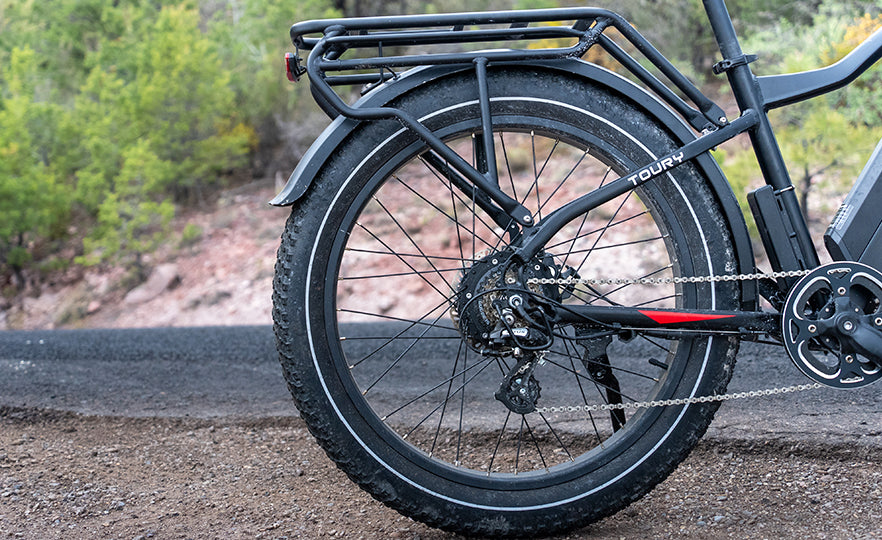 A flat eBike tire is a tire that has lost enough air that it should not be ridden. It does not automatically mean the rim or frame is damaged. Stop safely, inspect the wheel setup and identify the cause before inflating again or replacing a tube. Stop before a small problem becomes a larger oneIf handling changes or you notice sudden air loss, slow...
-
Fat Tire eBike Pros and Cons: Comfort, Routes and Everyday Use
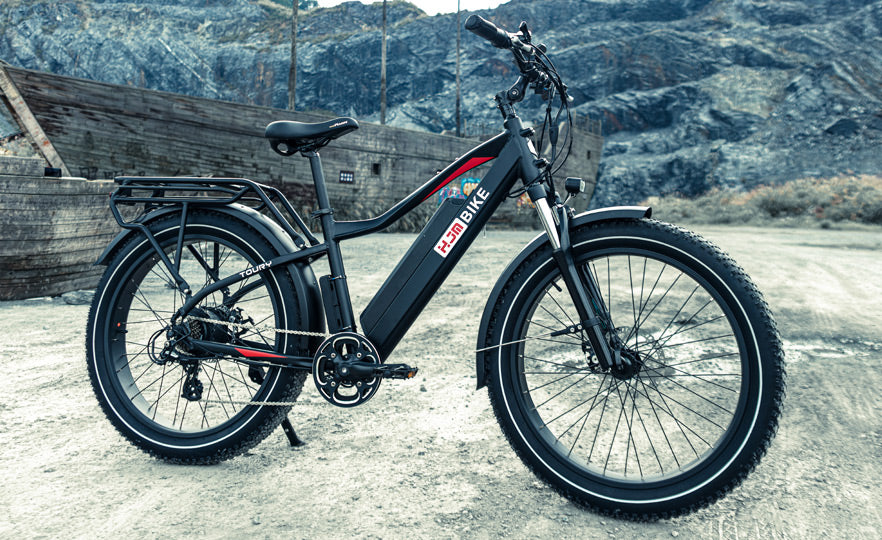 Fat tire eBikes can offer useful cushioning and options for mixed-surface riding, but they also require attention to tire setup, storage space and transport compatibility. The right choice depends on your actual routes and the complete bike. Wide tires do not make every surface rideable or remove the need for balance and control. Potential benefit: cushioningA high-volume tire can deform around small surface irregularities...
-
Get to Know Your eBike: Display, Pedal Assist, Throttle and Brakes
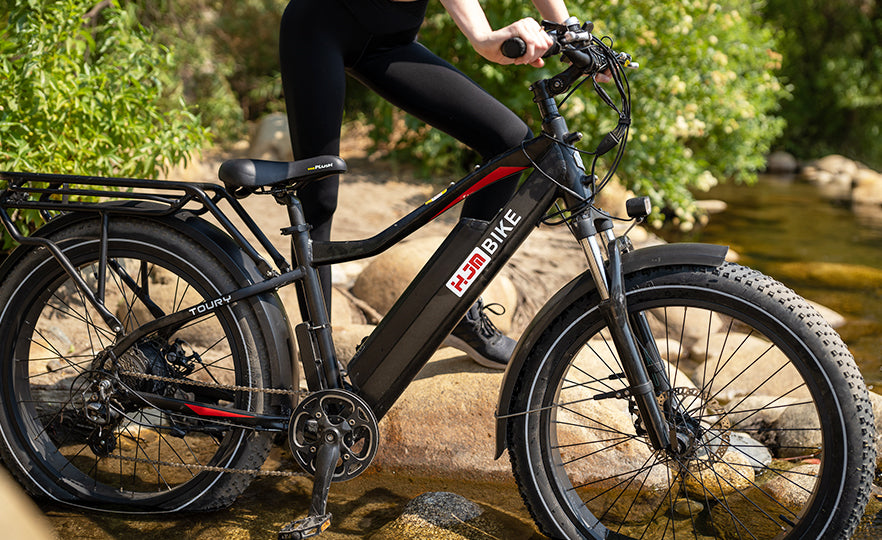 Before your first eBike ride, identify the display, pedal-assist controls, brake levers, gear shifter and any throttle fitted to your model. Learn their functions while the bike is stationary, then practise starting and stopping in a suitable open area using your model’s instructions. HJM eBikes can have different displays, sensors and controls. Similar-looking buttons do not necessarily operate in the same way. Start with...
-
5 Night-Riding Checks for Your eBike: Lights, Route and Battery
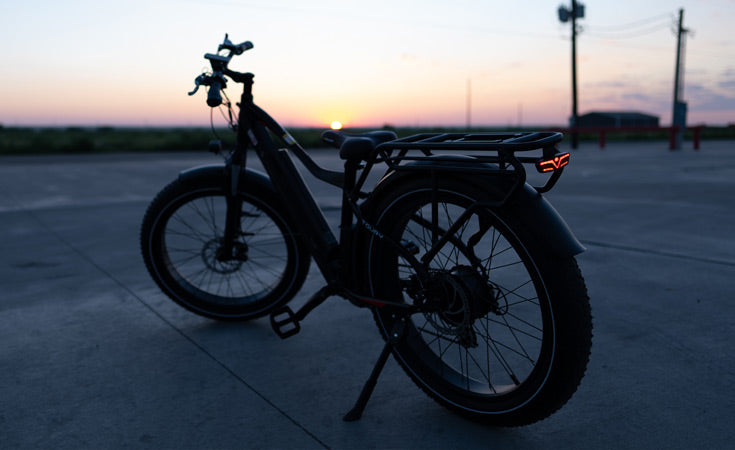 Before an eBike night ride, check both your ability to see the route and other road users' ability to see you. Confirm lighting, choose a suitable permitted route and leave a battery reserve. Equipment does not make every dark road or trail appropriate for riding. 1. Check front and rear lightingCheck that the lights work, are securely mounted and are not hidden by bags...
-
Traveling with an eBike: A Practical Checklist Before You Leave
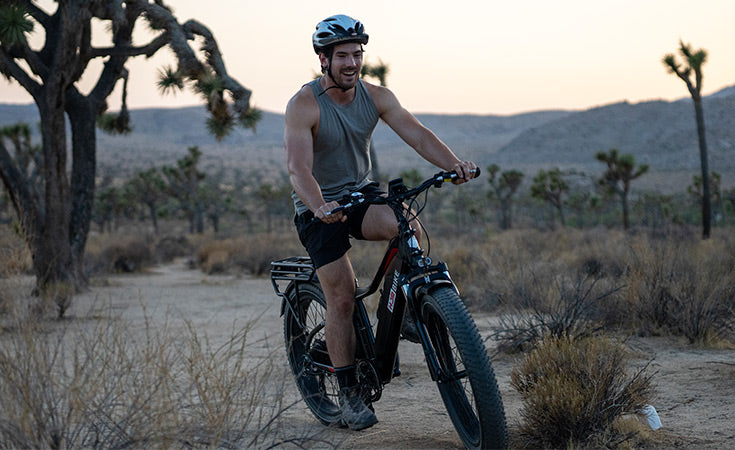 Before traveling with an eBike, confirm how you will transport it, where you can ride and how you will store and charge it at the destination. Pack compatible essentials and a backup plan instead of assuming every carrier, trail or accommodation can accept your bike. Confirm transport arrangements firstGive the transport provider the bike and battery details it requests before booking. Ask about its...
-
6 eBike Riding Habits to Improve Before Your Next Trip
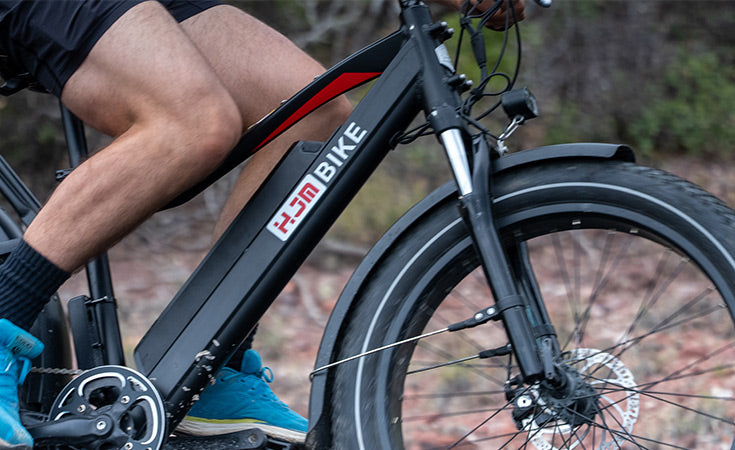 Useful eBike riding habits begin with knowing the controls and giving yourself time to respond. Before the next trip, review how you start, change assistance, shift, look ahead and react when the bike or your riding position does not feel right. 1. Learn the controls before entering trafficPractice starting, stopping and changing assistance in a clear, suitable area. Locate the brakes, display controls and...
-
eBike Rides with Kids: Separate Riding Skills from Passenger Readiness
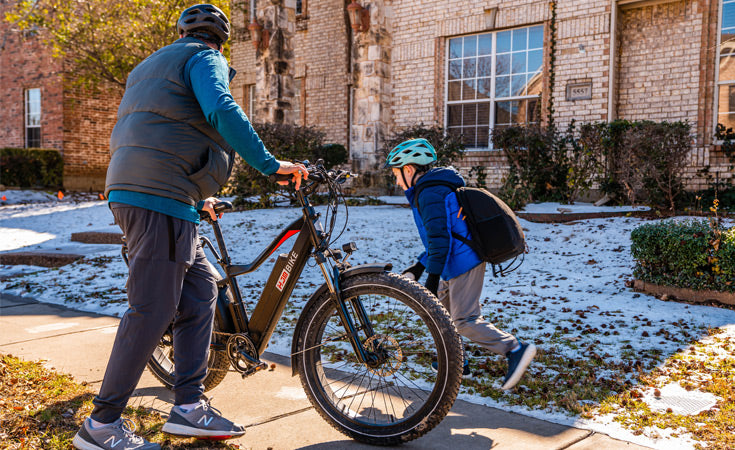 Before an eBike outing with children, decide whether each child will ride a separate bike or travel as a passenger. These arrangements need different preparation. Riding ability, passenger readiness and equipment compatibility cannot be established by age or a bike's payload figure alone. When children ride their own bikesChoose a route suited to their braking, turning and awareness skills. Practice in a suitable clear...
-
eBike vs. Regular Bike: Assistance, Weight and Everyday Care
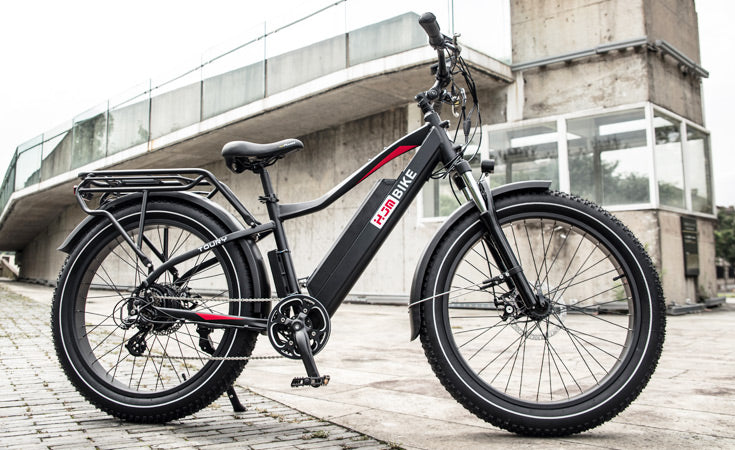 An eBike adds a motor, battery and control system to the familiar bicycle format. A regular bicycle relies on the rider's pedaling without motor assistance. The practical differences include how assistance feels, how you manage the bike off the road and the extra charging and electrical-care requirements. Assistance changes the ridePedal assist adds motor support while you pedal. Some eBikes also have a throttle;...
-
Riding an eBike in the Rain: Wet-Road Checks and Aftercare
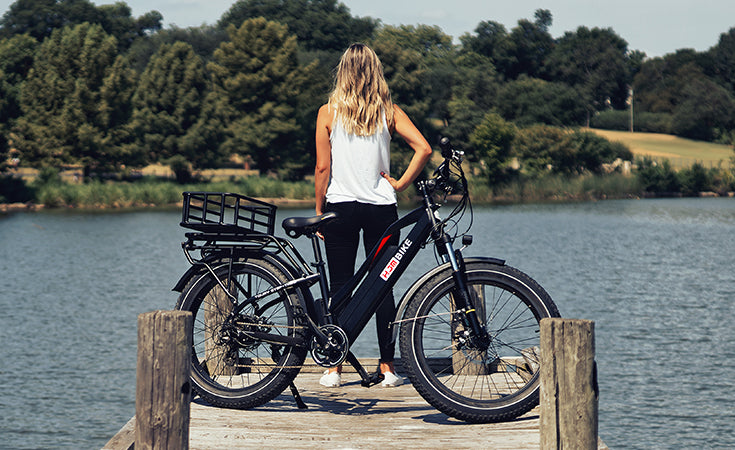 Before riding an eBike in rain, check the wet-weather limits in the exact model's instructions and decide whether the route conditions are suitable. Water-resistant does not mean waterproof or suitable for immersion. Wet surfaces, poor visibility and hidden road damage can be reasons to postpone a ride. Check the bike before leavingConfirm that brakes, tires and lights are in working condition. Secure the battery...
-
Fat Tire eBikes: 6 Common Misconceptions Explained
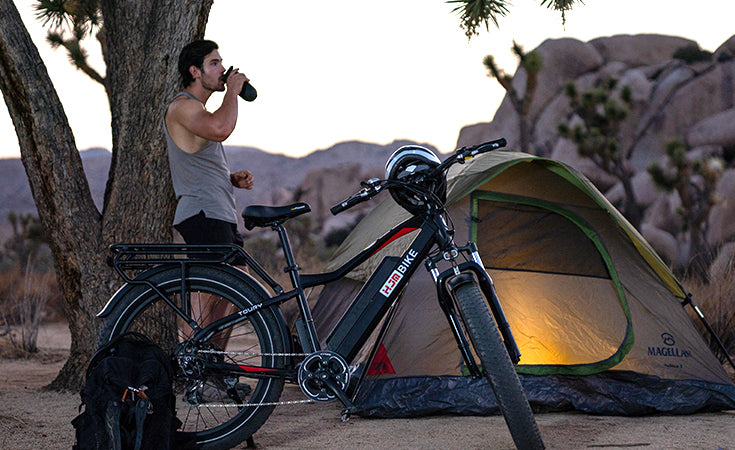 Fat tires can contribute to comfort and offer useful options for mixed surfaces, but tire width alone does not make an eBike puncture-proof, self-balancing or suitable for every route. These six distinctions help set realistic expectations. 1. “Fat tires cannot get flats”Fat tires can still be damaged by sharp objects, impacts or unsuitable setup. Puncture-resistant construction, where specified, is not a puncture-proof guarantee. Check...
-
eBikes for Women: More Choice in Everyday Riding
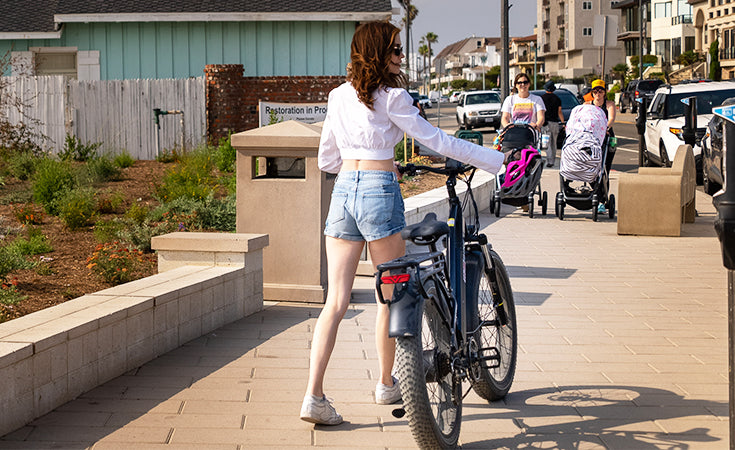 An eBike can add another option for everyday travel or leisure. For women considering one, the useful questions are individual: where do you want to ride, what feels comfortable and what support will make ownership practical? No single frame style or riding goal suits every woman. Choose for the rider, not a labelA product's gender label does not establish fit. Compare getting on and...
-
eBike Frame Clearance: Clothing, Cargo and Getting On and Off
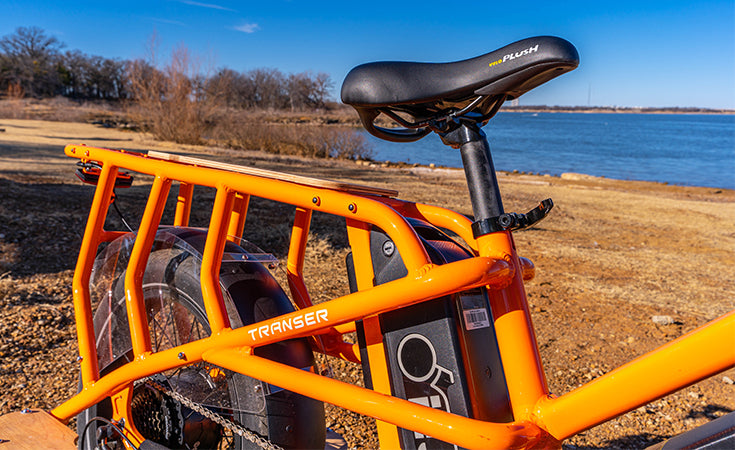 When checking eBike frame clearance, consider the bike as you will actually use it: with your usual clothes, shoes, bags and baskets. An entry that feels open on a bare bike may feel different once rear cargo is fitted. Check access and parking as well as seated riding fit. Start with your everyday clothingWear the trousers, outer layers and footwear you expect to ride...
-
How to Choose a Family Electric Trike: Fit, Everyday Loads and Storage
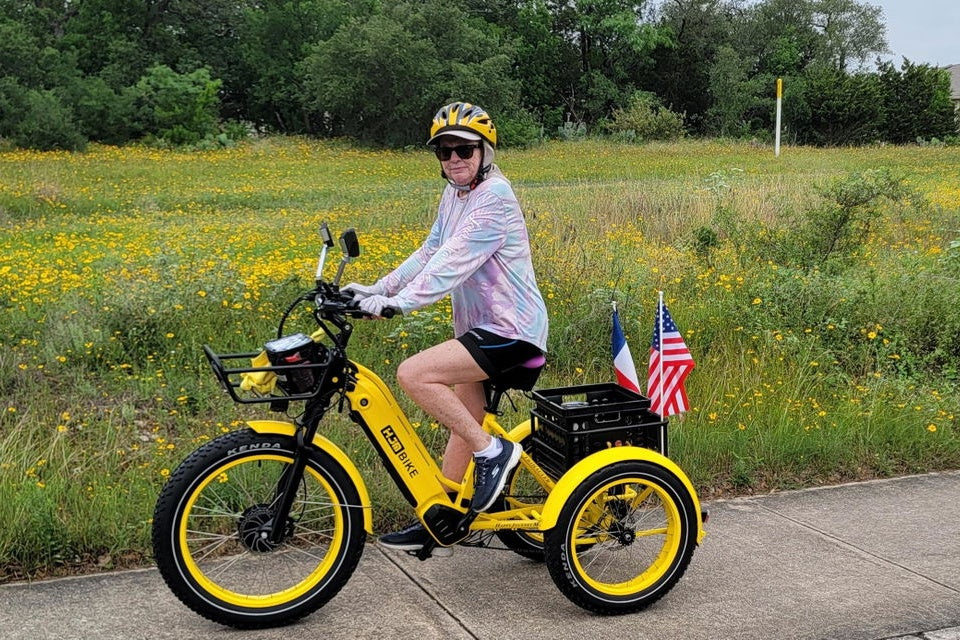 A family electric trike should suit the adults who will ride it, the household loads it will carry and the space available at home. Start with those practical needs before comparing motor power or advertised range. Here, “family use” means a trike used for household routines. It does not mean the trike is approved to carry additional passengers. Start with the intended riders Will...


