


-
How Electric Trike Motors Work: Front Hub, Rear Drive and Dual Motors
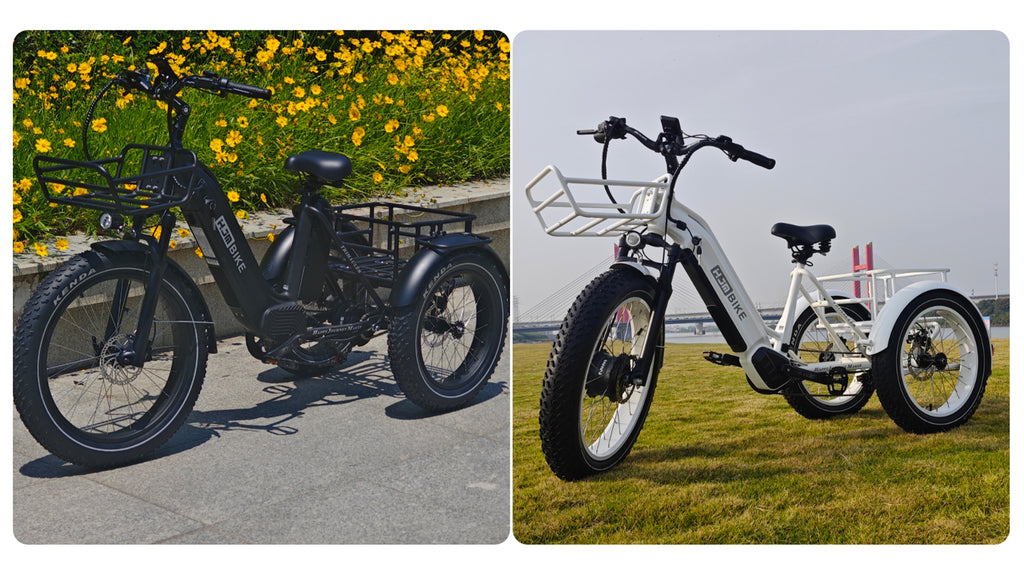 An electric trike's motor layout tells you where electric power enters the drivetrain. A front-hub motor drives the front wheel; a rear-drive system sends motor power to the rear; a dual-motor system uses two electric motors. Pedaling the rear wheels does not turn a single-motor trike into a dual-motor trike. Front-hub motors: electric power at the front wheel A front-hub motor sits in the...
-
Puncture-Resistant Electric Trike Tires: Protection, Reflective Strips and Fit
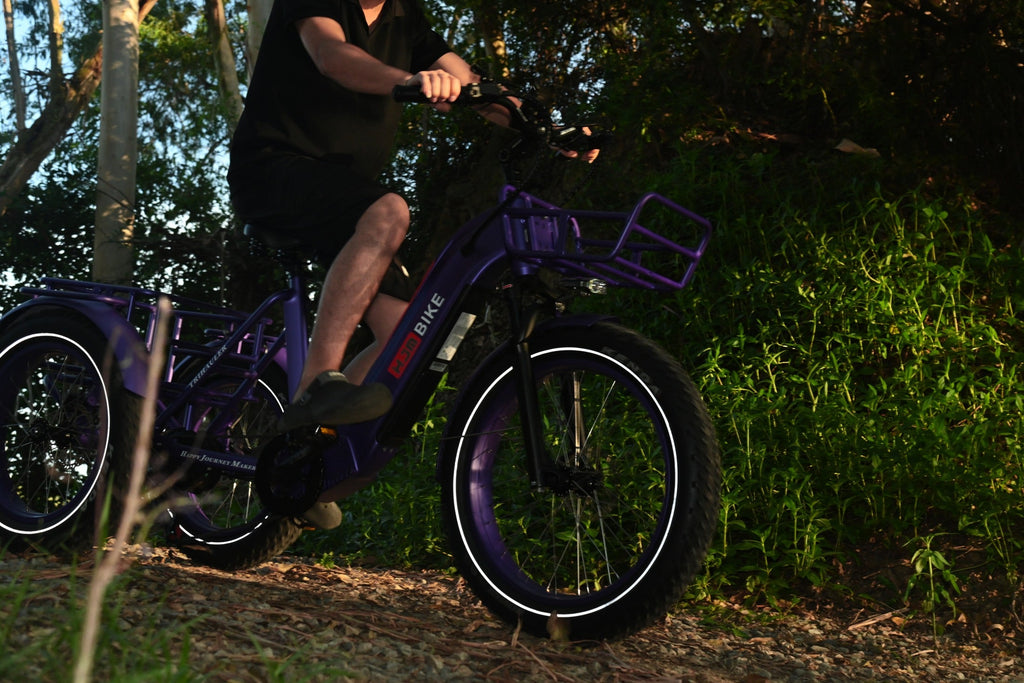 Puncture protection and reflective strips serve different purposes. Learn how to check the tires actually fitted to your electric trike.
-
Fat Tire eBike Riding: Moving Between Pavement and Gravel
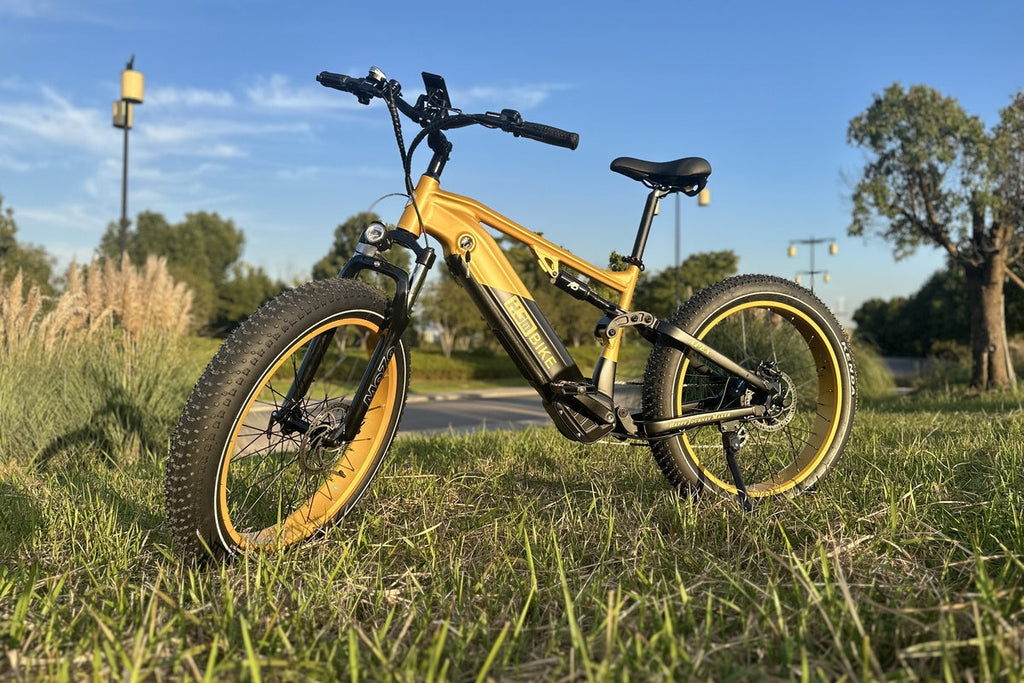 For a fat tire eBike ride that includes pavement and gravel, plan around the changes between surfaces. Wider tires may contribute to comfort, but they do not make every loose section predictable. Match the route to the complete bike's intended use and your handling experience. Look ahead to where the surface changesA gravel entrance, broken edge or loose patch can require a different pace...
-
Electric Mountain Bike Outings: Plan the Trail and Ride Considerately
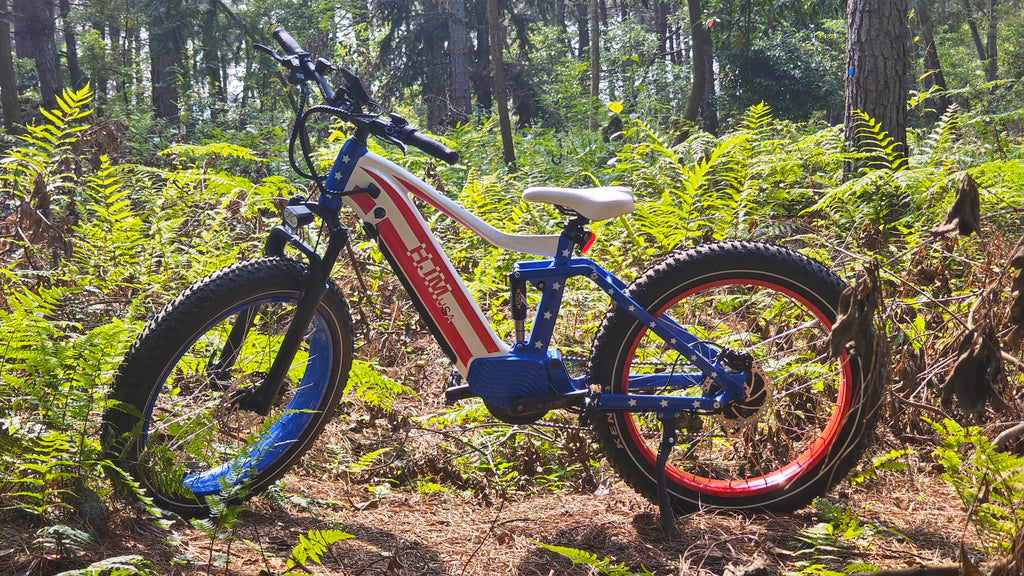 An electric mountain bike outing starts with a trail that permits your bike and suits your experience. Check the route's surface, difficulty and current conditions before setting off, then ride at a pace that leaves room for other trail users. Check permission for the exact routeA trail marked for bicycles is not automatically open to every eBike. Check the land manager's current notices and...
-
UL-Certified Electric Trike Batteries: What to Check
 Battery certification and complete electrical-system certification are different claims. Check the label, listing and approved equipment for your actual trike.
-
How to Read an Electric Trike Display: Battery, Assist and Ride Data
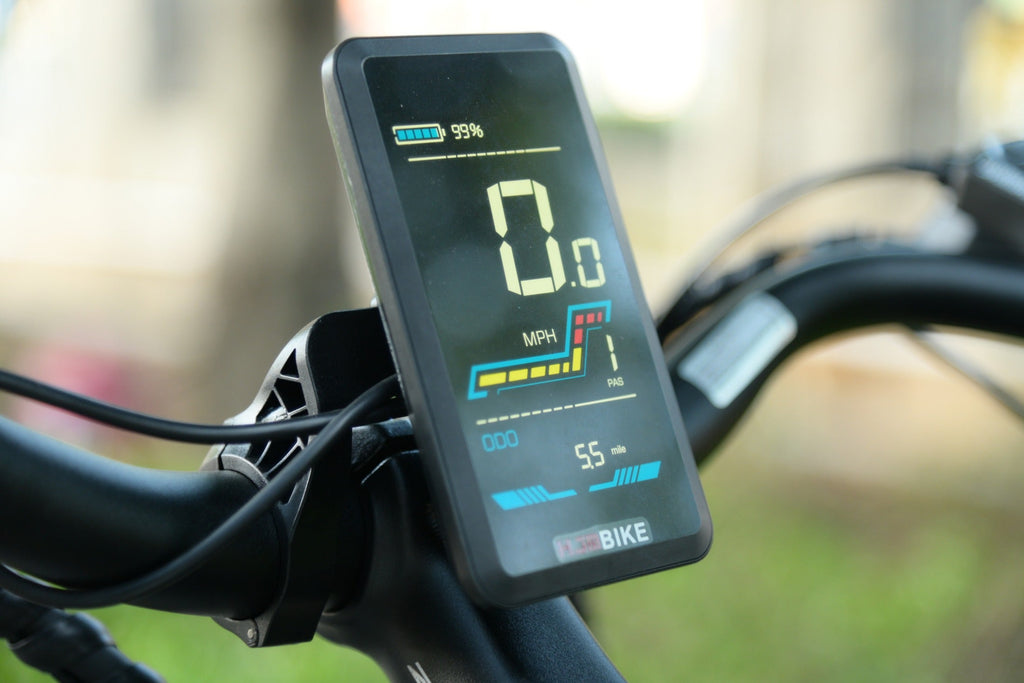 A useful display makes essential ride information easy to find. Learn your own layout before riding, whether it is a color or monochrome version.
-
Cadence vs. Torque Sensors on Electric Trikes: What Riders Feel
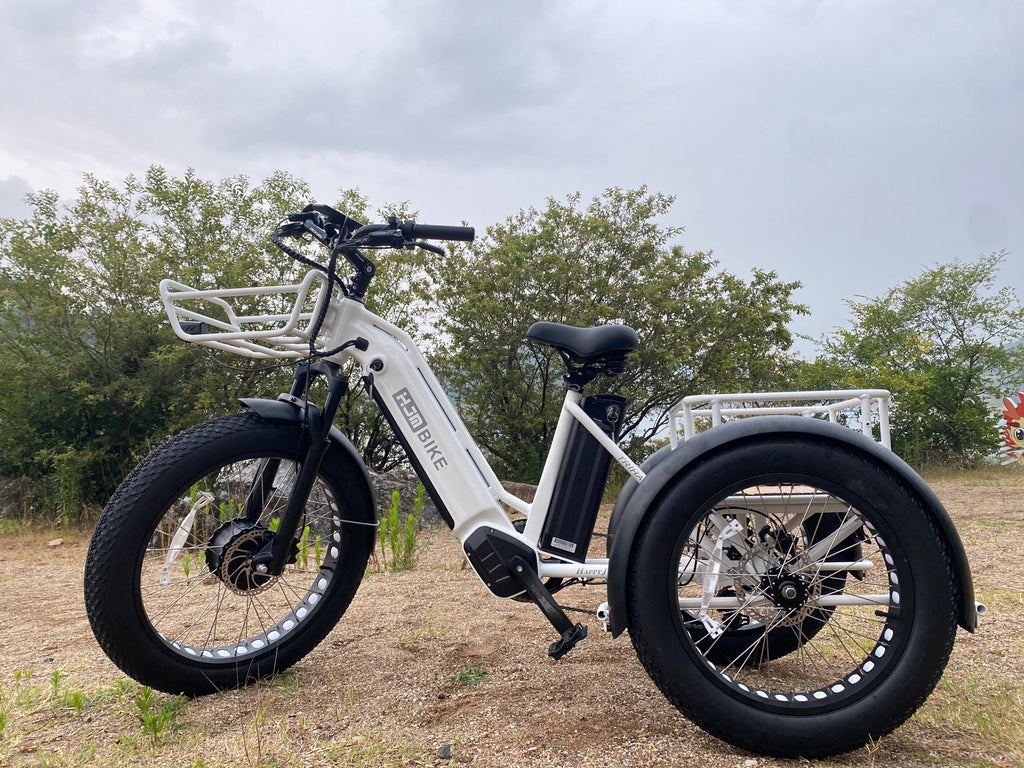 Sensor type helps explain pedal-assist behavior, but the complete system shapes the ride. Compare the feel you want and confirm the exact configuration.
-
Your First Week with a TriHauler: Building Confidence Gradually
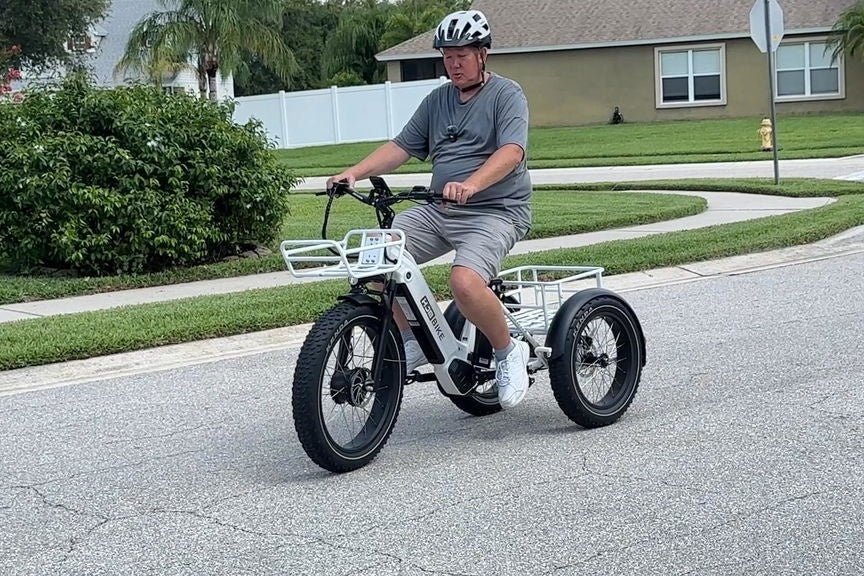 Your first week with a TriHauler is an opportunity to build a comfortable routine: learn the controls, practice in a clear area, choose a short route and introduce cargo gradually. Treat these as stages, not a deadline. Some riders need more time before moving to the next step. Complete the delivery checks and follow the manual for your exact model before riding. Make the...
-
Electric Trikes for Errands: Planning Shopping and Local Trips
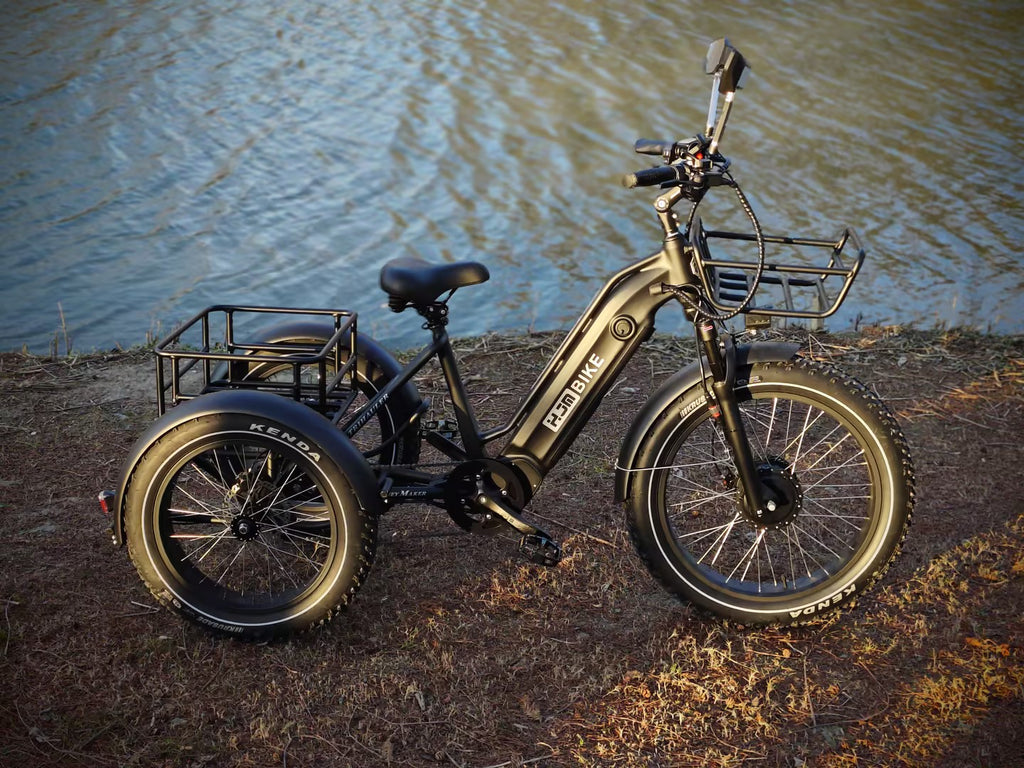 An electric trike can be useful for shopping and local errands when the route, parking and carried load suit the vehicle. Plan the complete trip, including the heavier journey home, rather than judging convenience by basket size alone. Start with one familiar errand and a manageable load. Make a shopping list that fits the carriers Think about weight, size and packaging before leaving. A...
-
Returning to Your eBike After Winter: A First-Ride Checklist
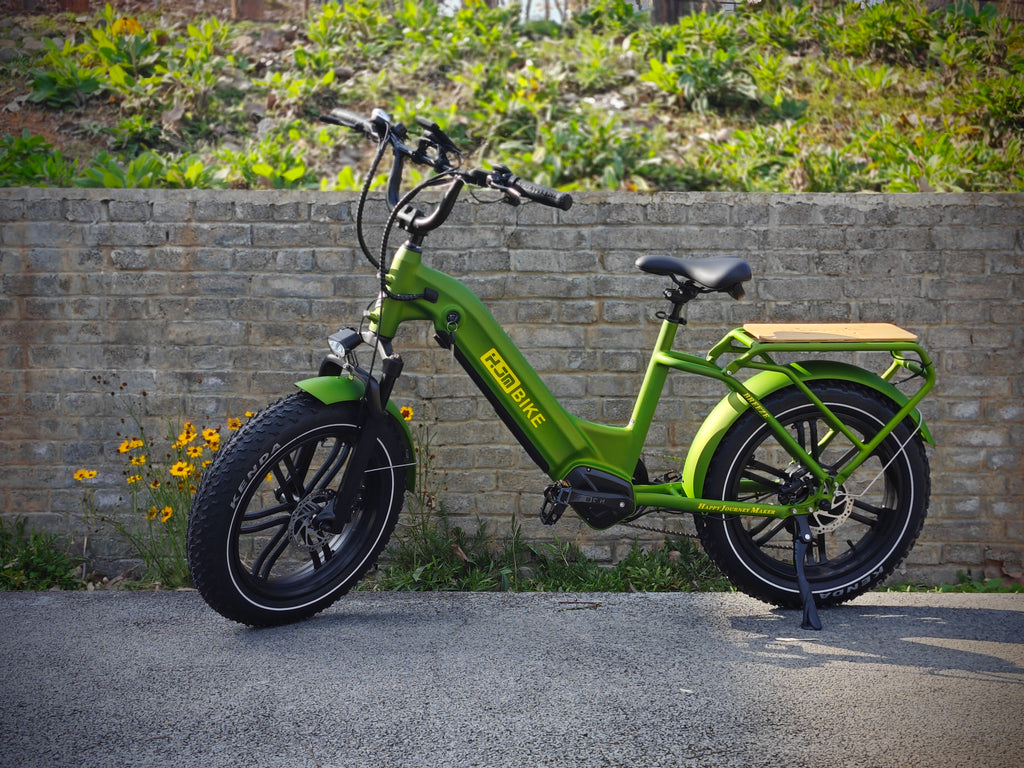 Before the first eBike ride after winter storage, check the bike's condition and controls rather than assuming it is ready because the display turns on. Follow your model's instructions, address any faults and begin with a short ride close to home. Inspect before charging or ridingLook for tire damage, corrosion, loose accessories and signs of moisture. Check the battery casing and connection area for...
-
From an eBike to an Electric Trike: What Changes When You Ride?
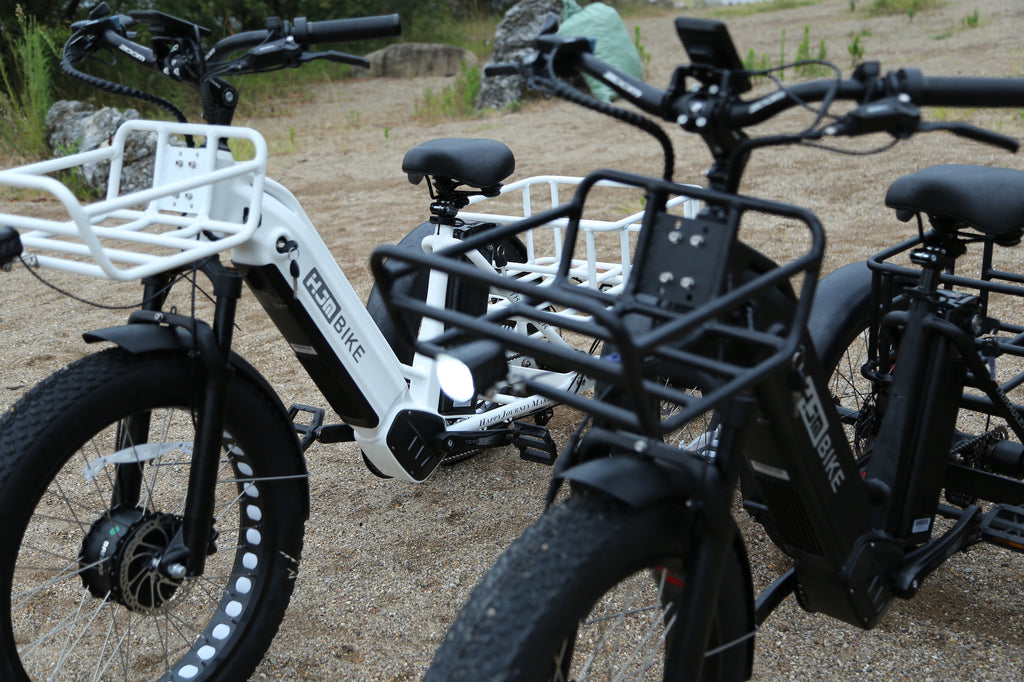 If you already ride an eBike, an electric trike may feel familiar at the controls but different on the ground. The main changes are how you turn, judge rear-wheel clearance, stop and carry a load. Treat the first outing as a new riding experience rather than assuming bicycle habits transfer unchanged. Three-wheel support changes the stop On suitable level ground, the trike supports itself...
-
9 Useful eBike Accessories for Everyday Rides
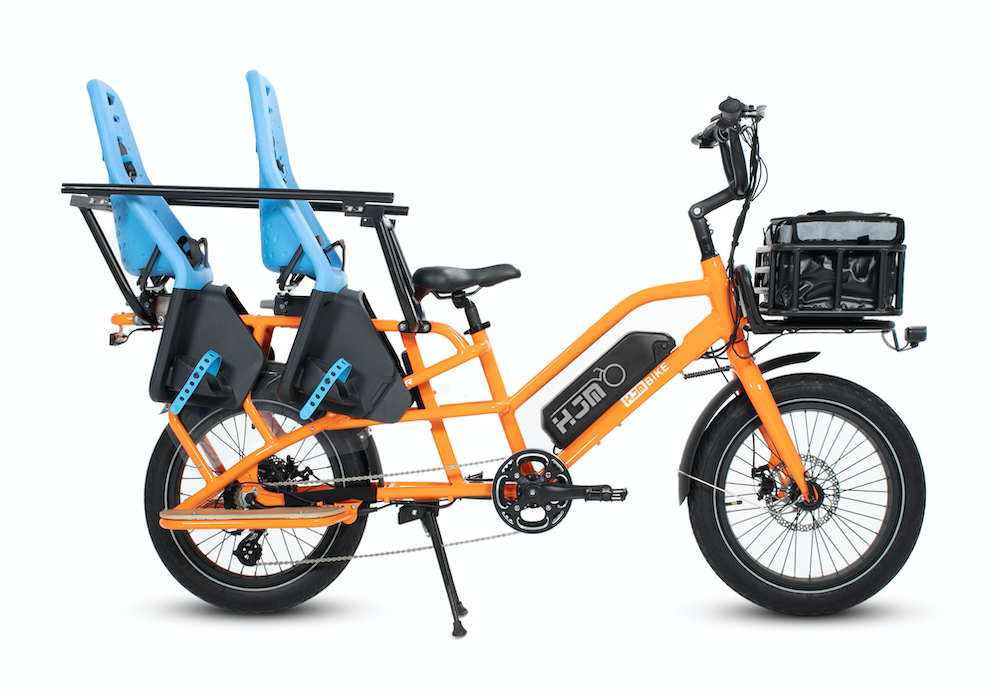 Useful eBike accessories solve a problem on the rides you actually take. Start with what your bike already includes, then fill the gaps. You do not need to buy every item on this list. 1. A properly fitted helmetChoose a helmet suitable for your riding and applicable requirements. Check its size and adjustment instructions. An integrated light is an extra feature, not a replacement...
-
How eBike Suspension Works: Forks, Rear Shocks and Hardtails
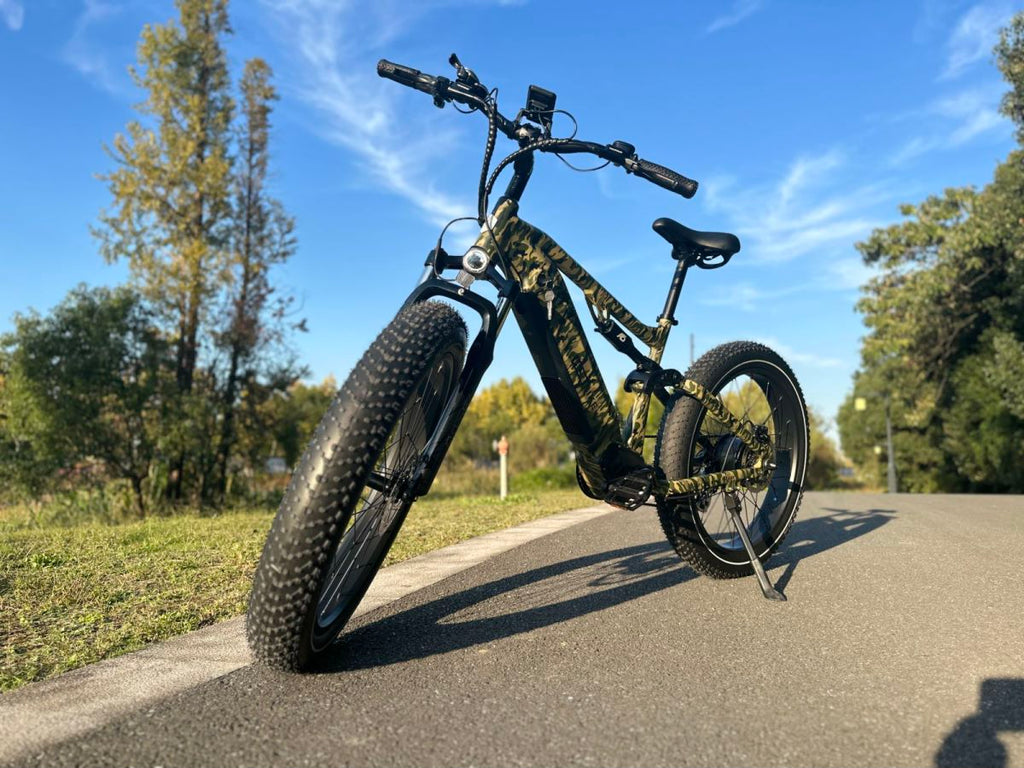 eBike suspension allows controlled movement between a wheel and the frame to manage bumps. A suspension fork works at the front; a rear-suspension system allows movement at the rear. A hardtail has no rear suspension, while a full-suspension bike has suspension at both ends. Forks, rear shocks and frame layoutThe fork connects the front wheel to the steering assembly. A suspension fork permits movement...
-
HJM Roamer Mid-Drive eBike: Pedal Assist for Everyday Cruising
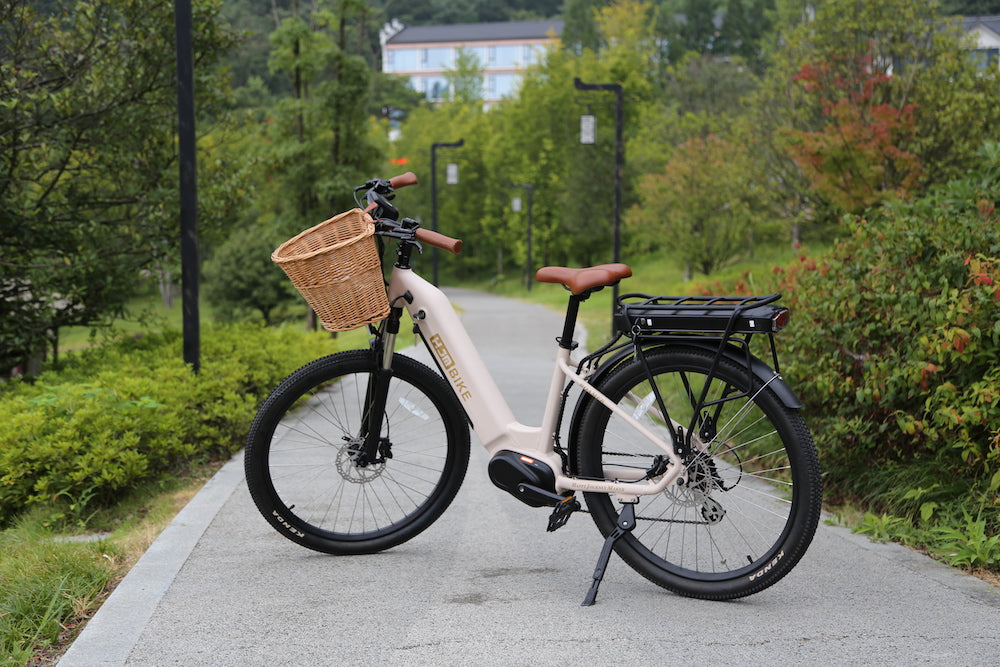 Roamer is HJM's step-through mid-drive cruiser eBike, combining torque-sensing pedal assist, an upright riding position and dual batteries. It offers 350W and 500W Bafang mid-drive motor options. Both versions require pedaling for assistance: Roamer has no throttle.What does the mid-drive layout mean?The motor sits near the pedals and delivers assistance through the bicycle's drivetrain. Shimano 7-speed gearing lets you choose a pedaling rhythm for...
-
HJM Radiant Commuter eBike: Minimalist Design, Responsive Assist
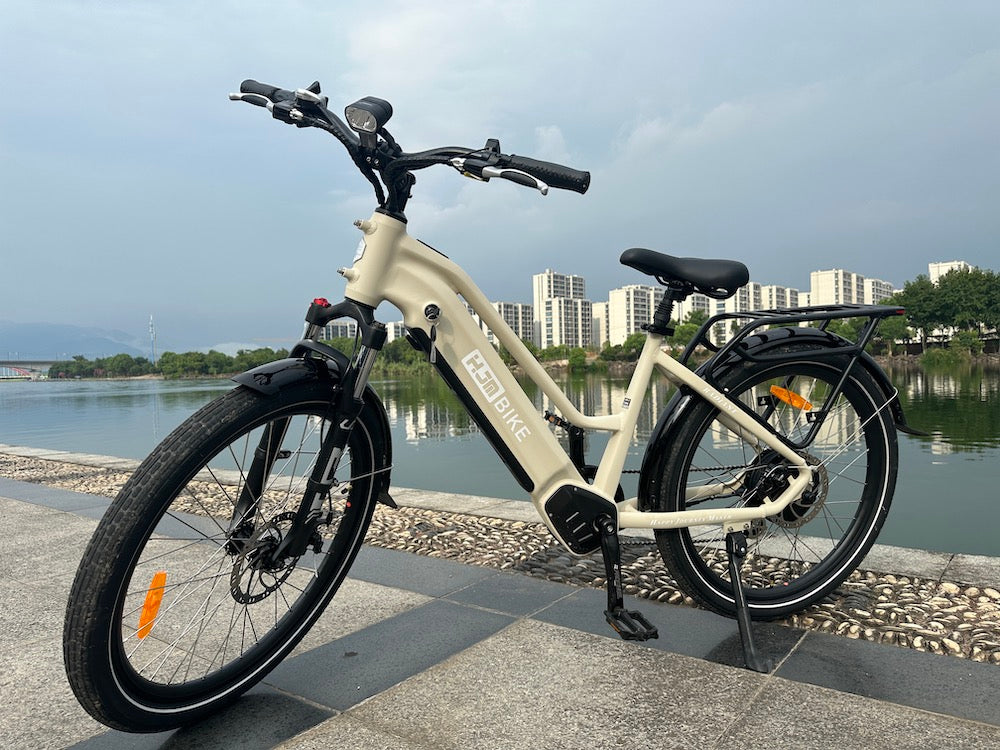 Radiant is HJM's minimalist step-through commuter eBike. Concealed cables and an integrated display give it a tidy appearance, while a 500W rear hub motor and torque-sensing pedal assist support everyday city riding. Its 48V 15Ah LG-cell battery stores 720Wh of nominal energy.What makes the design minimalist?The display is integrated into the cockpit rather than mounted as a separate raised screen. Concealed cable routing reduces...
-
Longtail Cargo eBikes: Plan the Load Before the Ride
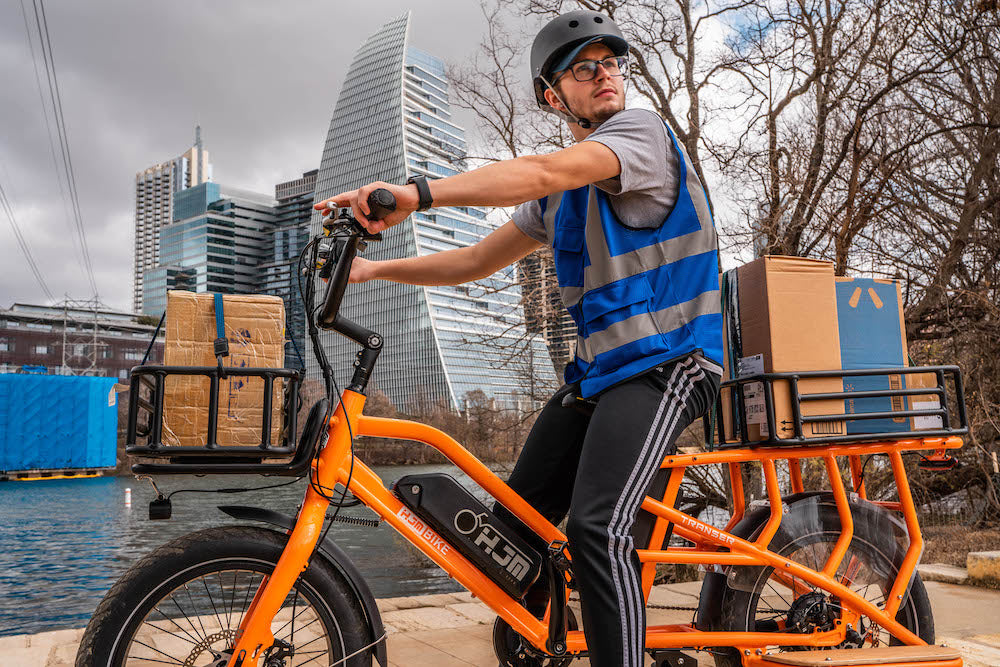 A longtail cargo eBike uses an extended rear section to create space for carrying items. Before using that space, check the complete bike's payload limit, each carrier's limit and the approved mounting arrangements. Extra space is not permission to carry unlimited weight. Start with the load you actually carryList a typical shopping trip, work bag or delivery load before choosing storage. Consider its weight,...
-
Where to Ride an eBike in Spring: Choose a Route That Fits Your Day
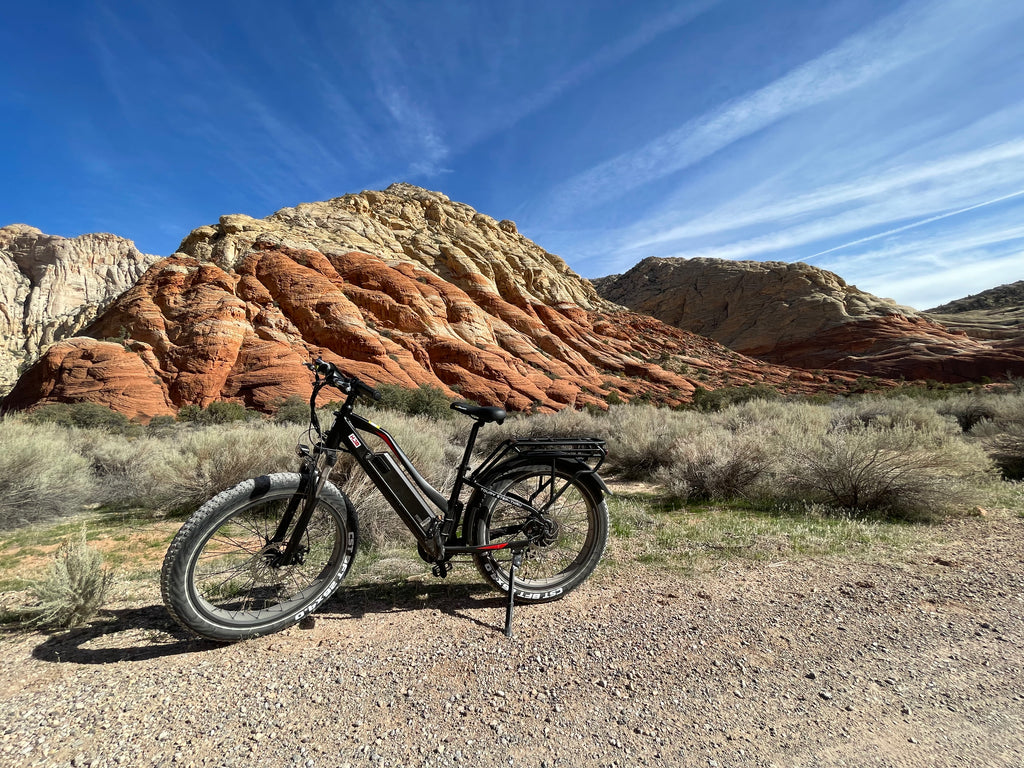 A good spring eBike route matches your riding experience, the bike you own and the time you have available. Start by checking whether your exact type of eBike is permitted, then look at surface condition, distance, traffic and places to stop. A neighborhood loop for a simple first outingA familiar loop makes it easier to shorten the ride, avoid a busy intersection or return...
-
How to Evaluate an eBike Brand: Support, Parts and Clear Information
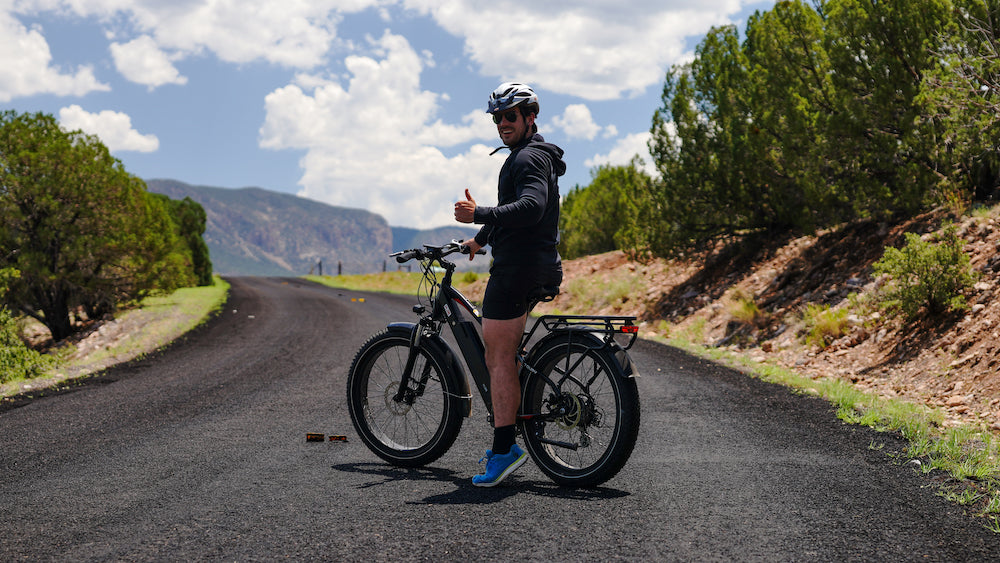 Evaluate an eBike brand by checking whether it provides clear product information, reachable support, compatible replacement parts and written purchase policies. A seller's location, advertising or years in business alone cannot establish product quality. Ask questions you can verify before ordering. Check whether the information matches the productLook for specifications for the exact model and selected configuration. Can the seller explain the battery, brakes,...


